 Pin It
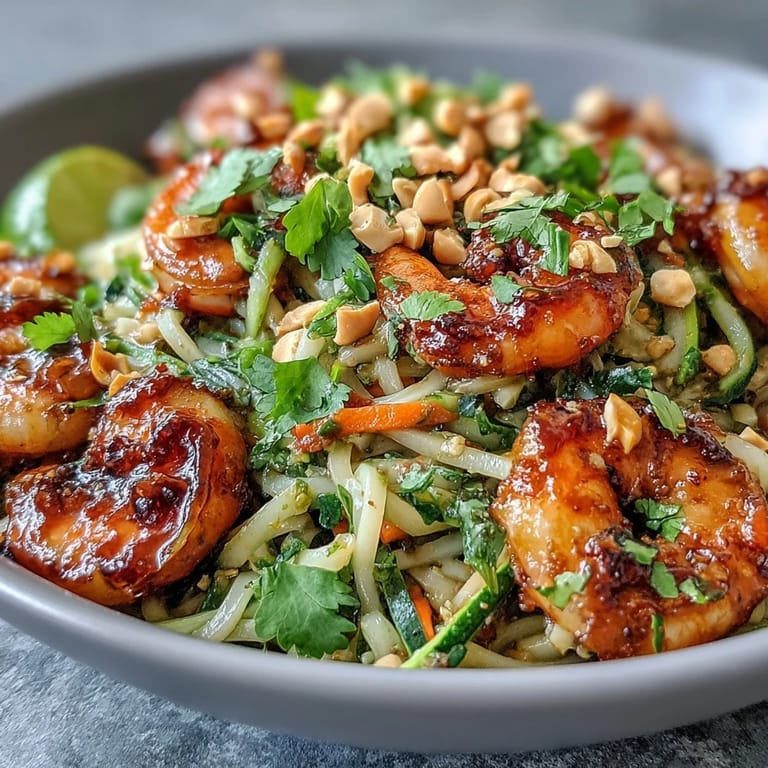
 My roommate texted me a photo of a noodle bowl from this trendy spot downtown, and I stared at it for a solid minute thinking, I can absolutely make this better. The shrimp was glistening, the vegetables looked impossibly fresh, and that amber sauce caught the light like liquid gold. Two hours later, I had my answer: yes, but it took some fumbling with timing and way too much sesame oil. Now this bowl shows up on rotation when I want something that feels both indulgent and impossibly light.
I made this for my friend who'd been working brutal 12-hour shifts, and watching her face when that first forkful hit was everything. She closed her eyes for a second, and I knew the brightness of the lime and cilantro were doing their job, cutting through everything heavy in her week. That's when I realized this bowl isn't just food—it's a small act of care that doesn't require you to spend half the day cooking.
Ingredients
- Medium shrimp, peeled and deveined (400 g): Buy them this way if your budget allows; it cuts your prep time drastically and they cook more evenly than when you do it yourself.
- Rice noodles (200 g): These have a tender, almost delicate texture that absorbs sauce beautifully, unlike wheat noodles which can get gluey.
- Zucchini, julienned (1 medium): The thinness matters here—you want them almost translucent so they stay crisp but cook through.
- Carrot, julienned (1 large): A mandoline makes this faster, but a sharp knife and patience work too; the thinner they are, the sweeter they taste.
- Garlic, minced (2 cloves): Mince it fresh right before cooking; pre-minced loses that sharp, clarifying bite that wakes up the whole dish.
- Green onions, sliced (3): Save some of the white parts for cooking and scatter the green parts on top for color and that onion bite at the end.
- Soy sauce (3 tbsp): Grab tamari or coconut aminos if gluten is a concern; they're less assertive but won't derail your flavors.
- Lime juice (2 tbsp): Fresh lime only—bottled tastes like pennies in comparison.
- Sesame oil (1 tbsp): This is a supporting player, not the lead; too much and it overwhelms everything else with its roasty intensity.
- Honey or maple syrup (1 tbsp): The sweetness rounds out the salt and acid, creating balance that makes people reach for another bite.
- Chili garlic sauce, optional (1 tsp): If you like heat, add it; if you don't, the dish stands on its own without any rawness.
- Roasted peanuts, roughly chopped (50 g): Don't pulverize them; leave them chunky so you get that moment of crunch against the tender noodles.
- Fresh cilantro, roughly chopped (1/3 cup): Tear it by hand right before serving so it stays bright and doesn't oxidize into something dark and sullen.
- Lime wedges: These aren't decoration; a squeeze right before eating lifts everything.
Tired of Takeout? 🥡
Get 10 meals you can make faster than delivery arrives. Seriously.
One email. No spam. Unsubscribe anytime.
Instructions
- Start your noodles:
- Get them cooking first because rice noodles are fussy about overcooking—they'll turn into mush if you're not watching. Drain them, hit them with cold water to stop them dead, and set them aside like you've got a plan.
- Build your sauce:
- Whisk everything together in a small bowl and taste it: it should make you pause for a second, a little pucker from lime, a whisper of sweetness, that sesame oil humming underneath. This is your insurance policy for flavor.
- Get your wok hot:
- Heat your large skillet or wok over medium-high heat until the oil shimmers and almost smokes. A cold pan is the enemy of texture here.
- Bloom the garlic:
- Add a splash of oil and let the garlic hit the heat for maybe 30 seconds—you want it fragrant but not brown, which happens faster than you'd think. Your nose will tell you when it's right.
- Cook the shrimp:
- Lay them out in a single layer and resist the urge to touch them for the first minute; they need that contact with the hot pan. Flip once, cook another minute or two until they're pink and just barely firm, then pull them out before they get rubbery.
- Stir-fry your vegetables:
- The zucchini and carrot go in now, and you want to keep everything moving so they stay crisp-tender, not soft. Two to three minutes and they should still have a little snap.
- Bring it all together:
- Add the noodles, green onions, and sauce to the pan and toss like you mean it, coating every strand. The noodles will soak up that sauce and turn glossy.
- Finish and serve:
- Return the shrimp, give everything a gentle fold to combine, then divide among bowls. Top with peanuts and cilantro right before eating so the cilantro stays fresh and the peanuts stay crunchy.
 Pin It
 There was this Tuesday when nothing felt right, and I made this bowl just to have something warm to hold. By the time I finished eating, the cilantro had somehow untangled something in my chest, and the shrimp's delicate sweetness reminded me that simple things done with intention still matter. Food doesn't fix anything, but it can reset you.
Why Texture Is Your Secret Weapon Here
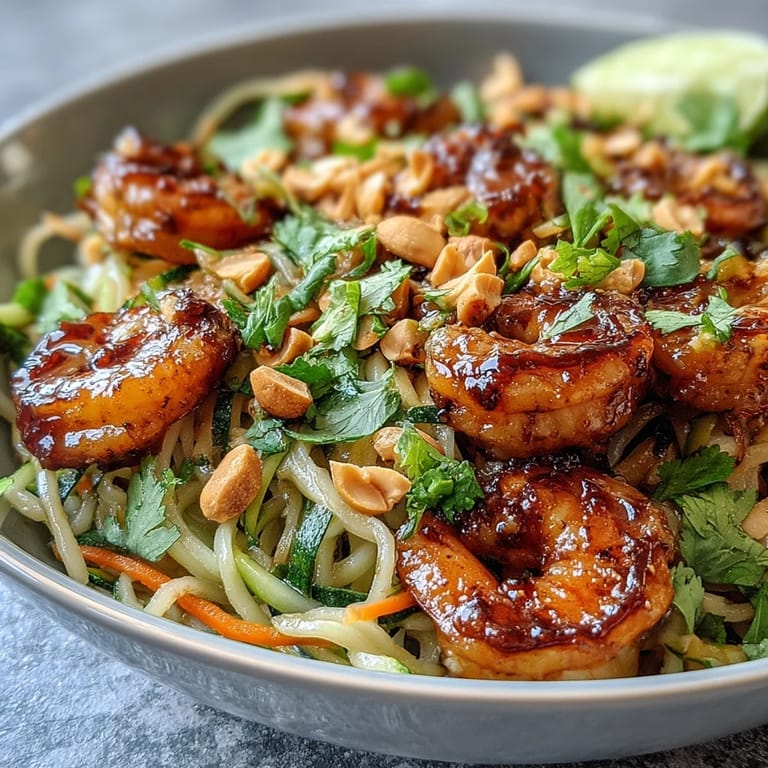
This bowl lives and dies by contrast—soft noodles meeting crisp vegetables, tender shrimp against crunchy peanuts, everything balanced by that sauce that tastes both bright and grounding. When I started overthinking this dish, I'd cook everything until it was uniformly tender, and it became forgettable. The moment I stopped and let things stay themselves, it transformed. Julienne your vegetables thin so they stay snappy; leave your peanuts chunky; cook your noodles until they're just done, not resigned.
The Sauce Changes Everything
I learned this the hard way when I made a huge batch and stored it in the fridge, thinking I'd have it ready to go. By day three, the lime juice had oxidized and turned bitter, and the sesame oil had separated into something almost aggressive. Now I make it fresh every time, and it takes maybe two minutes. The balance of sweet and salty and bright is so particular that any deviation makes it taste wrong in a way that's hard to pin down until you've made it a few times and your instincts catch up.
Customization Without Losing the Plot
The skeleton of this bowl is strong enough that you can swap almost anything in and it still works. I've used chicken and tofu without changing the cooking method much; I've thrown in whatever vegetables were lurking in the crisper drawer. The real magic is that the sauce and the technique stay the same, so even when you're improvising, it tastes intentional.
- Red bell pepper and snap peas add crunch and sweetness if you want more color and texture variation.
- Substitute shrimp with firm tofu or sliced chicken breast; adjust cooking times accordingly but keep your technique unchanged.
- If peanuts aren't an option, toasted sesame seeds or cashews give you that crunch without the allergy worry.
 Pin It
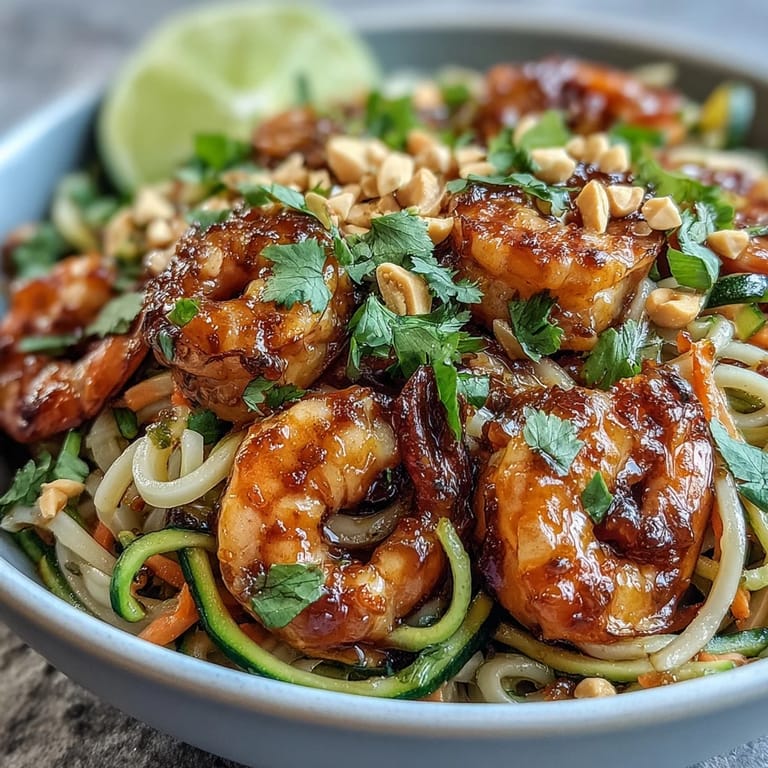
 Every time I make this, someone tells me they could eat it every day, and I believe them. It's one of those rare dishes that feels both nourishing and light, indulgent and clean.
Recipe FAQ
- → Can I make this dish gluten-free?
Yes, simply substitute regular soy sauce with gluten-free tamari or coconut aminos. Ensure your rice noodles and other condiments are certified gluten-free as well.
- → What can I substitute for shrimp?
Firm tofu cubes, sliced chicken breast, or even strips of beef work beautifully as protein alternatives. Adjust cooking times accordingly—vegetarian options need less time while chicken may require a few extra minutes.
- → How do I prevent rice noodles from sticking together?
Rinse thoroughly with cold water after cooking and toss with a small amount of sesame oil. If serving later, store them separately from the sauce and combine just before eating.
- → Can I prepare this ahead for meal prep?
Absolutely. Store cooked components separately—noodles, vegetables, and sauce in individual containers. Reheat quickly in a skillet and add fresh toppings right before serving for best texture.
- → How can I adjust the spice level?
Start with less chili garlic sauce and taste before adding more. You can also add fresh sliced chilies, red pepper flakes, or sriracha for additional heat. For a milder version, omit the chili element entirely.