 Pin It
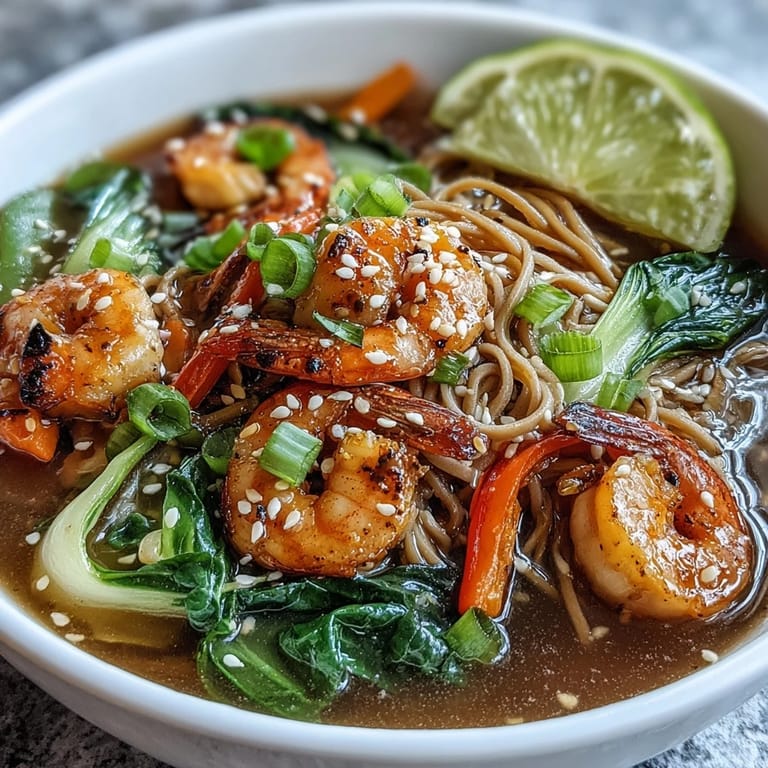
 One rainy evening, my neighbor knocked on the door with a bag of fresh scallops from the market, insisting I do something special with them. I had shrimp in the freezer and a half-empty box of rice noodles, so I started improvising with what felt right—simmering ginger and garlic until the kitchen smelled like a tiny Asian bistro, building a broth that tasted like comfort in a bowl. What emerged was this luminous noodle dish, and it became the thing I make whenever I want to feel like I'm sitting at a good restaurant without leaving home.
I made this for friends on a weeknight when everyone was skeptical about cooking seafood at home, and watching their faces light up as they tasted that first spoonful was worth every minute of prep. The broth coats your palate with warmth while the noodles give you something to twirl around your chopsticks—it's the kind of meal that turns a casual dinner into something people remember.
Ingredients
- Large shrimp (200 g / 7 oz), peeled and deveined: These cook in minutes, so buy them as fresh as possible and pat them dry before cooking—wet shrimp won't sear properly.
- Sea scallops (200 g / 7 oz), cleaned and patted dry: Pat these especially dry with paper towels; moisture is the enemy of a good golden sear, and you want them just kissed by heat.
- Rice noodles or soba noodles (200 g / 7 oz): Rice noodles are more delicate and absorb broth beautifully, while soba adds an earthier note—either works, but don't overcook them.
- Carrot (1 medium), julienned: Cut thin so they soften in the broth without turning mushy; thin slices cook in perfect time with everything else.
- Red bell pepper (1), thinly sliced: The sweetness balances the savory broth and adds color that makes the bowl impossible to resist.
- Snow peas (100 g / 3.5 oz), trimmed: Keep these whole or halved lengthwise; they stay crisp and give you something pleasant to chew.
- Baby bok choy (4), halved: The tender greens wilt slightly while the stems stay firm, creating a nice textural contrast.
- Spring onions (2), sliced: Save most of these for garnish; they taste fresher and brighter raw than cooked into the broth.
- Fresh ginger (1 tablespoon), grated: Use a microplane grater so it releases its oils more efficiently; pre-grated ginger from a jar tastes flat by comparison.
- Garlic cloves (2), minced: Mince them just before cooking so the oils don't oxidize and turn bitter.
- Low-sodium chicken or vegetable broth (1 liter / 4 cups): Low-sodium lets you control the final salt level and prevents the broth from tasting one-dimensional.
- Soy sauce (2 tablespoons): Use good quality soy sauce if you can; the depth of flavor is noticeable and worth it.
- Fish sauce (1 tablespoon): This seems intimidating but it's the secret weapon—it adds umami depth that makes people ask what's in the broth.
- Sesame oil (1 tablespoon): Toasted sesame oil has a nutty flavor that's crucial; use it to start the aromatics, not as an afterthought.
- Rice vinegar (1 tablespoon): This brightens everything and keeps the broth from feeling heavy—taste before and after, and you'll notice the difference.
- Chili paste (1 teaspoon, optional): Add this if you want heat, but the broth is lovely without it too; some people like the option to customize their own bowl.
- Fresh cilantro leaves (optional): Use this if you love it; some people find it tastes like soap, so let guests decide.
- Toasted sesame seeds: Toast your own if you have time; the difference between raw and toasted is remarkable.
- Lime wedges: Squeeze these over just before eating—the acid ties everything together like a final knot.
Tired of Takeout? 🥡
Get 10 meals you can make faster than delivery arrives. Seriously.
One email. No spam. Unsubscribe anytime.
Instructions
- Start your noodles first:
- Cook them according to package directions, then drain and rinse under cold water so they stop cooking and don't clump together. Set them aside while you build the broth.
- Build your aromatic base:
- Heat sesame oil in a large pot over medium heat, then add your ginger and garlic, stirring constantly for about one minute until the kitchen fills with that intoxicating fragrance. You'll know it's ready when you can't help but take a deep breath.
- Create the broth:
- Pour in your broth along with the soy sauce, fish sauce, and rice vinegar, stirring gently to combine. Bring it to a soft simmer—not a rolling boil, which would make the seafood tough.
- Cook the vegetables first:
- Add the carrots, bell pepper, snow peas, and bok choy to the simmering broth, letting them soften for three to four minutes until they're tender but still have a slight bite. You're looking for that moment where they're no longer raw but not yet limp.
- Add the seafood gently:
- Lower the shrimp and scallops into the broth and let them simmer for two to three minutes, just until they turn opaque. Watch carefully here—overcooked scallops become rubbery and shrimp lose their sweetness, so timing is everything.
- Taste and adjust:
- Before plating, taste the broth and decide if you want to add chili paste for heat or anything else that feels right. This is your moment to make it personal.
- Assemble with care:
- Divide the noodles among four bowls, then ladle the hot broth with all its seafood and vegetables over top. The warmth of the liquid will heat everything through perfectly.
- Finish with intention:
- Top each bowl with spring onions, cilantro if you're using it, a handful of toasted sesame seeds, and a wedge of lime to squeeze over. The fresh garnishes wake up all the flavors you've built.
 Pin It
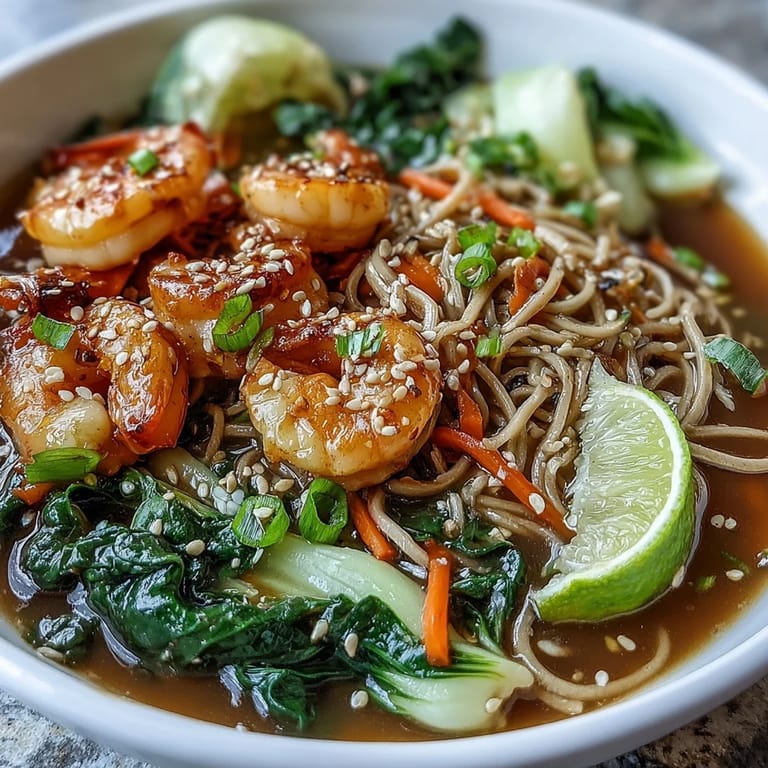
 There's something almost meditative about the moment when you ladle that fragrant broth over the noodles and watch the steam rise up, filling your face with warmth and spice. It's the kind of dish that makes you grateful for fresh seafood, good ingredients, and the simple pleasure of feeding people something that tastes like it took hours, even though it didn't.
Why This Dish Works
The combination of shrimp and scallops means you get two different textures and flavors working together—the shrimp is tender and slightly sweet, while the scallops have that delicate, almost buttery quality. The broth ties them together without overpowering them, acting like a silky sauce that brings all the vegetables into conversation.
Playing with Variations
One night I made this vegetarian for a friend who eats no seafood, and I used crispy tofu instead, which absorbed the broth beautifully and gave the bowl substance. Another time I added mushrooms because they were sitting on the counter, and the earthiness somehow made everything taste deeper and more intentional.
The Finishing Touches Make It Special
Don't skip the fresh garnishes—they're not decoration, they're the final layer of flavor that keeps the dish from feeling flat. The raw spring onions add bite, the cilantro brings brightness, and the lime juice ties everything into a single, cohesive moment on your palate.
- Toast your sesame seeds yourself if you can; the nutty flavor you get is worth the two minutes it takes.
- Have lime wedges ready at the table so people can squeeze them to their taste rather than you doing it in the kitchen.
- If someone is sensitive to fish sauce, you can serve the broth with a tiny bowl of extra fish sauce on the side instead of cooking it in—they control how much they want.
 Pin It
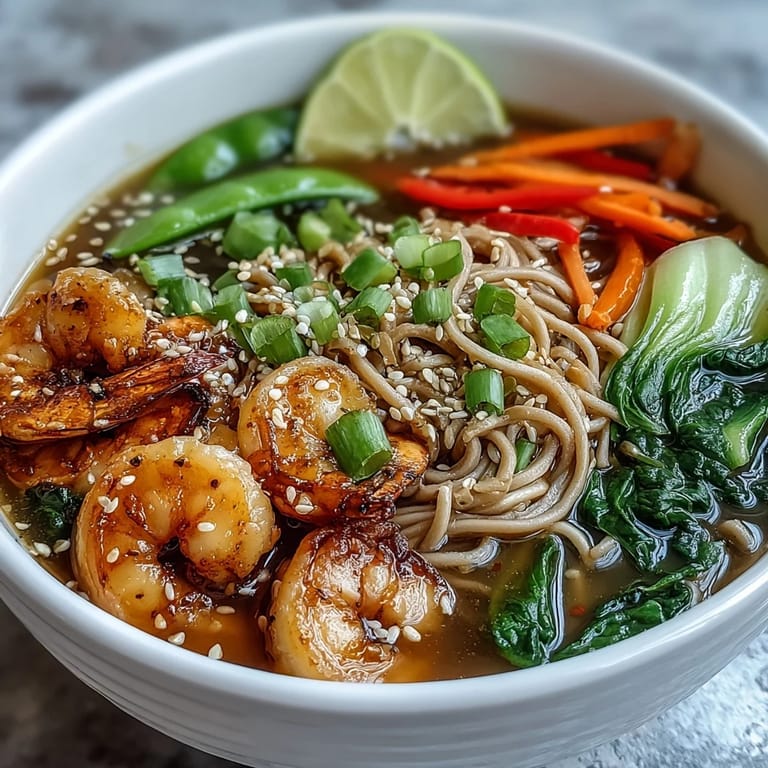
 This noodle bowl is the kind of dish that feels fancy enough for guests but easy enough that you'll make it on a Tuesday just because you're hungry. Once you've made it once, you'll find yourself reaching for it again and again, each time discovering something new to adjust or appreciate.
Recipe FAQ
- → What type of noodles work best?
Rice noodles and soba noodles both work beautifully in this bowl. Rice noodles offer a delicate, gluten-free option, while soba provides a nutty flavor and slightly firmer texture. Udon or egg noodles make excellent substitutes if you prefer a heartier noodle.
- → How do I prevent overcooking the seafood?
Add the shrimp and scallops during the last 2–3 minutes of simmering. Watch closely—they're done when shrimp turn pink and scallops become opaque. Remove from heat immediately to maintain tender, succulent texture.
- → Can I make this vegetarian?
Absolutely. Replace the seafood with firm tofu cubes, add them when you would the shrimp and scallops, and simmer for 3–4 minutes. Use vegetable broth instead of chicken broth for a fully plant-based version.
- → How spicy is this dish?
The base version is mild with just a gentle warmth from ginger and garlic. Add chili paste to taste for those who enjoy heat—start with ½ teaspoon and adjust upward. Sriracha or sliced fresh chilies also work well.
- → Can I prepare this in advance?
You can slice vegetables and prepare the broth base up to a day ahead. Store components separately in the refrigerator. Cook the seafood and noodles fresh when ready to serve for the best texture and flavor.