 Pin It
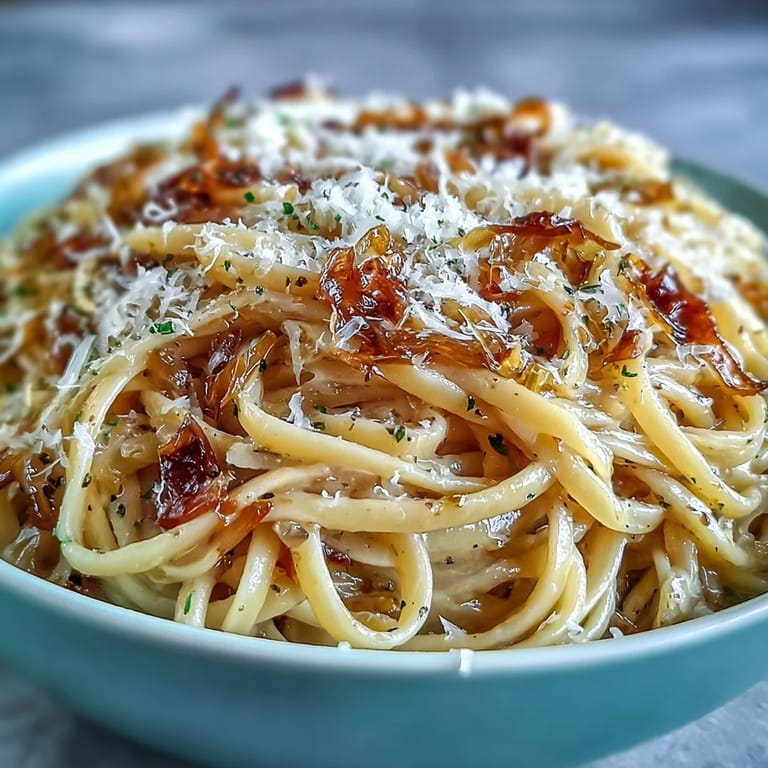
 My neighbor handed me half a cabbage over the fence one Saturday morning, insisting I'd regret tossing it in soup. She was right. That evening, I watched ribbons of cabbage turn golden in butter and olive oil, filling the kitchen with a sweet, nutty aroma I didn't expect from something so humble. Tossed with hot pasta and a snowstorm of Parmesan, it became the kind of dinner that tastes like you've been cooking for hours, even though you haven't.
I made this for my brother the night he came back from a long trip, too jet-lagged to handle anything complicated. He ate two bowls standing at the counter, then asked if cabbage had always tasted this good. I think it was the garlic, or maybe the way the butter pooled in the hollow of each pasta twist. Either way, it's been on repeat ever since.
Ingredients
- Spaghetti or linguine: Long noodles catch the cabbage and garlic in every bite, and their starchy cooking water becomes the base of your sauce, so save a mugful before draining.
- Green cabbage: Choose a firm, heavy head with tight leaves; slice it thin so it caramelizes quickly and doesn't turn mushy or bitter.
- Olive oil and unsalted butter: The oil keeps the butter from burning, while the butter adds a nutty richness that olive oil alone can't match.
- Garlic cloves: Slice them thin instead of mincing so they soften and sweeten in the pan without scorching into bitterness.
- Crushed red pepper flakes: Optional, but a pinch wakes up the whole dish with gentle heat that doesn't overpower the sweetness of the cabbage.
- Freshly grated Parmesan cheese: Pre-grated won't melt the same way; buy a wedge and grate it yourself for a creamier, clingier finish.
- Fresh parsley and lemon zest: Both optional, but the parsley adds color and the lemon zest cuts through the richness with a bright, unexpected zing.
Tired of Takeout? 🥡
Get 10 meals you can make faster than delivery arrives. Seriously.
One email. No spam. Unsubscribe anytime.
Instructions
- Boil the pasta:
- Bring a large pot of well-salted water to a rolling boil, then cook the pasta until it still has a slight bite in the center. Scoop out a cup of the starchy water before draining; it's the secret to a sauce that clings instead of puddles.
- Caramelize the cabbage:
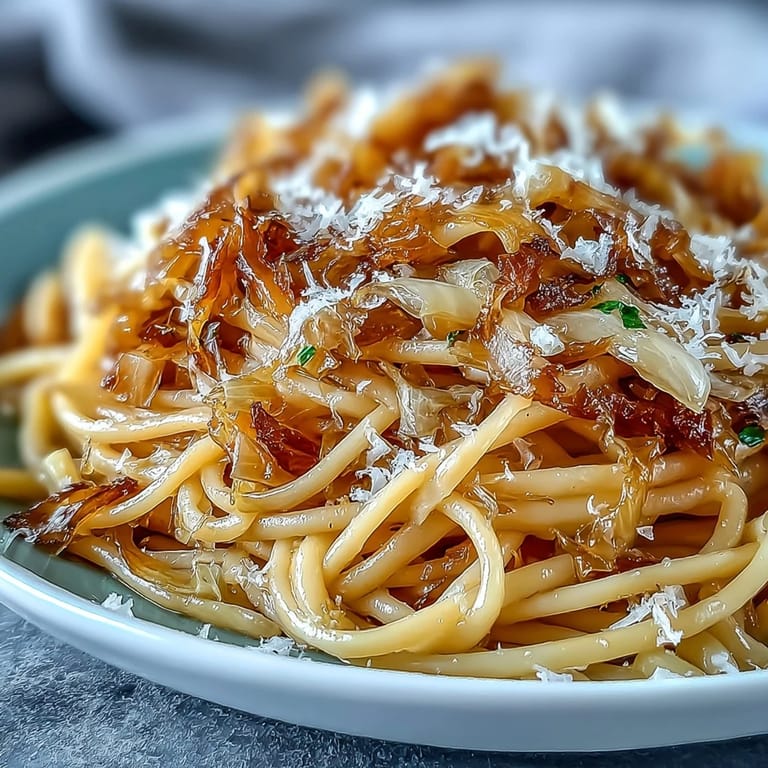
- Heat olive oil and butter in a large skillet over medium heat until the butter foams, then add the cabbage and a pinch of salt. Stir occasionally, letting it sit long enough to brown and sweeten, about 12 to 15 minutes, until the edges are golden and crisp.
- Add the garlic:
- Toss in the sliced garlic and red pepper flakes, stirring constantly for a minute or two until the garlic is fragrant and soft but not brown. If it starts to darken too fast, pull the pan off the heat for a moment.
- Combine pasta and cabbage:
- Add the drained pasta directly to the skillet and toss everything together, splashing in reserved pasta water a little at a time until the noodles are glossy and coated. The starch in the water binds everything into a light, silky sauce.
- Finish with cheese:
- Stir in the Parmesan and black pepper, tossing until the cheese melts into the pasta and clings to every strand. Taste and add more salt or pepper if needed, then serve immediately while it's hot.
- Garnish and serve:
- Pile the pasta into bowls and scatter parsley and lemon zest on top if you like, with extra Parmesan on the side. Eat it right away, when the cheese is still melting and the cabbage is at its most tender.
 Pin It
 The first time I served this to friends, one of them said it reminded her of her grandmother's kitchen in Tuscany, even though I'd never been. I think it's because the dish doesn't try too hard. It just lets good ingredients do what they do best, and somehow that feels like home no matter where you're from.
How to Store and Reheat Leftovers
This pasta is best eaten fresh, but leftovers keep in an airtight container in the fridge for up to three days. The cabbage softens and the pasta absorbs the sauce as it sits, so when you reheat it in a skillet over low heat, add a splash of water or broth to loosen everything up. I've also eaten it cold, straight from the fridge, and it's surprisingly good that way, almost like a pasta salad with a savory, garlicky backbone.
Ways to Make It Your Own
Once you've made this a few times, it becomes a template for whatever you have on hand. I've stirred in white beans for extra protein, swapped the Parmesan for tangy Pecorino Romano, and even added a handful of toasted breadcrumbs on top for crunch. A friend of mine throws in chopped kale during the last few minutes of cooking the cabbage, and another swears by a squeeze of lemon juice right before serving. The bones of the recipe stay the same, but the flavors shift depending on your mood or what's left in the fridge.
Pairing and Serving Suggestions
This pasta doesn't need much beside it, but a simple green salad with a sharp vinaigrette balances the richness, and a glass of crisp white wine like Pinot Grigio or Vermentino cuts through the butter and cheese. If you want to make it feel more like a feast, serve it with crusty bread for mopping up any sauce left in the bowl, and maybe some roasted vegetables on the side. I've also served it as a side dish alongside roasted chicken or grilled sausages, and it holds its own without stealing the spotlight.
- Add toasted walnuts or pine nuts for a little crunch and a hint of earthiness.
- Drizzle with good olive oil right before serving for extra richness and a peppery finish.
- Sprinkle with flaky sea salt at the table so everyone can adjust the seasoning to their taste.
 Pin It
 This is the kind of recipe that reminds you that the best meals don't always come from fancy ingredients or complicated techniques. Sometimes all you need is a little patience, a hot pan, and the willingness to let simple things shine.
Recipe FAQ
- → What type of pasta works best for this dish?
Spaghetti or linguine are ideal because their long strands coat beautifully with the caramelized cabbage and Parmesan. However, penne, rigatoni, or even orecchiette work well for capturing the smaller cabbage pieces.
- → How do I know when the cabbage is properly caramelized?
The cabbage should turn golden brown at the edges and become tender throughout, which typically takes 12-15 minutes over medium heat. Stir occasionally to ensure even caramelization without burning.
- → Can I make this dish ahead of time?
While best served fresh, you can prepare the caramelized cabbage ahead and refrigerate it. When ready to serve, cook the pasta fresh, reheat the cabbage gently, and toss everything together with reserved pasta water to restore creaminess.
- → What can I substitute for Parmesan cheese?
Pecorino Romano offers a sharper, saltier flavor that works beautifully. For a dairy-free version, use nutritional yeast or a vegan Parmesan alternative, though the flavor profile will differ.
- → Why should I reserve pasta water?
Pasta water contains starch that helps create a silky sauce when combined with cheese and butter. It also helps the sauce adhere better to the pasta, creating a cohesive dish rather than dry, separated ingredients.
- → How can I add more protein to this dish?
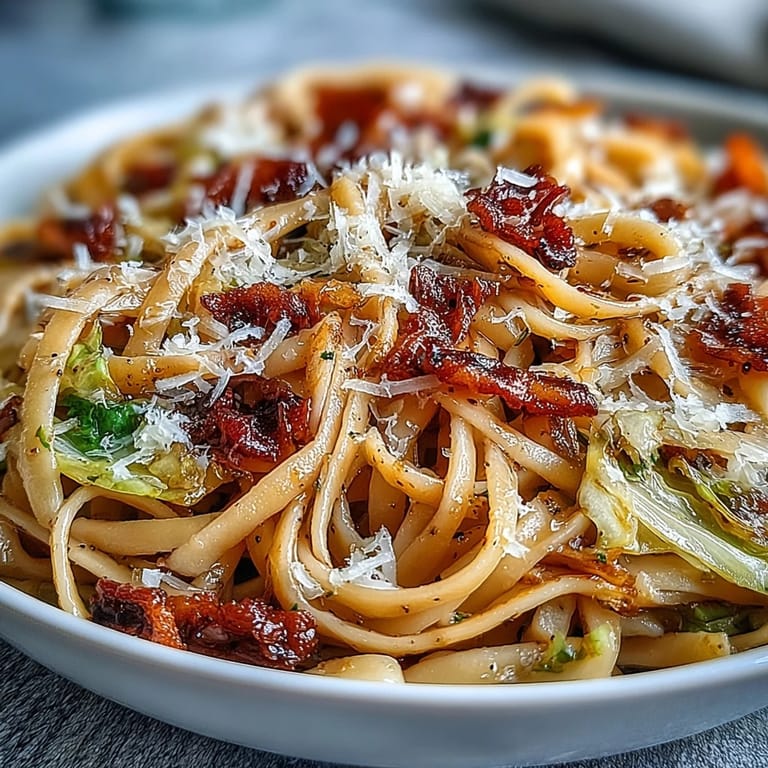
Crispy pancetta or bacon bits complement the cabbage beautifully. Alternatively, add white beans, chickpeas, or grilled chicken. For a vegetarian boost, try toasted pine nuts or walnuts for added texture and protein.