 Pin It
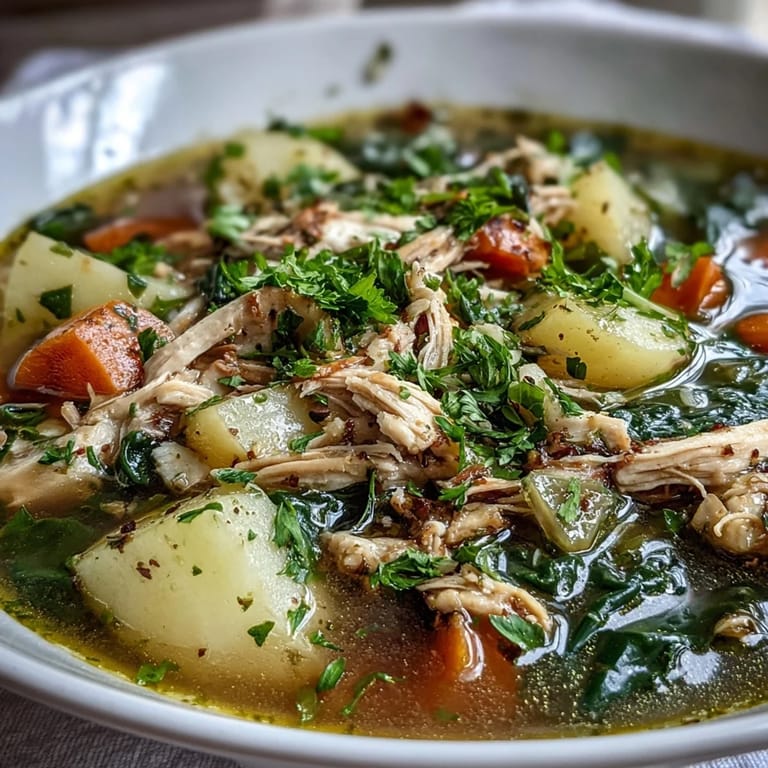
 There's something about a pot of collard greens and chicken soup that makes a kitchen feel like home, even when you're cooking in someone else's. I stumbled onto this particular version on a chilly afternoon when a friend mentioned she'd been craving something her grandmother used to make, and I found myself pulling out every vegetable I had on hand. The soup that emerged was so comforting and alive with green that I made it again the following week, and then again after that. It's become one of those recipes I return to when I want something nourishing without fuss, or when I need to feed people who are hungry for more than just food.
I made this soup for my neighbor once when she was recovering from being under the weather, and watching her face light up as she tasted it reminded me why simple, honest food matters so much. She asked for the recipe before she'd even finished the bowl, and I've since learned that her whole family fights over the last ladle on Sunday nights. That's when I knew this wasn't just a soup—it was something that brought people together.
Ingredients
- Boneless, skinless chicken breasts (2, about 400 g): These poach gently in the broth and shred into tender pieces that disappear into every spoonful—buy them fresh if you can, as frozen can sometimes release excess water into the pot.
- Collard greens (1 large bunch, about 300 g): The heart of this soup, these leafy greens taste earthy and slightly mineral when cooked properly; removing the thick stems is worth the extra minute because they won't soften.
- Yukon Gold potatoes (2 medium, peeled and diced): These creamy potatoes break down slightly during cooking, adding body to the broth without overwhelming it.
- Carrots (2, peeled and sliced): They soften beautifully and add a natural sweetness that balances the earthiness of the greens.
- Celery stalks (2, diced): Part of the classic flavor foundation; don't skip this even though it seems understated.
- Onion (1 medium, diced): This becomes the backbone of your broth's flavor as it softens down into nothing.
- Garlic cloves (3, minced): Add these after the soffritto to keep them from burning, which would turn the whole soup bitter.
- Low-sodium chicken broth (1.5 liters or 6 cups): The quality of your broth matters here—taste it on its own before deciding how much salt to add at the end.
- Bay leaf (1): This subtle flavor keeper should simmer the whole time but always be removed before serving.
- Dried thyme (1 teaspoon): A whisper of herbaceous warmth that complements both the greens and the broth.
- Smoked paprika (1 teaspoon): This is what gives the soup its subtle depth and a hint of smokiness that feels almost mysterious.
- Black pepper (½ teaspoon): Add more at the table if you like heat, but start conservative.
- Salt (1 teaspoon, or to taste): Taste your broth first, then add salt gradually—you can always add more but you can't take it back.
- Olive oil (2 tablespoons): Use a good quality oil here since it's one of the first flavors you'll taste as it warms the vegetables.
- Lemon juice (from ½ lemon): This brightens everything at the end and wakes up the greens; fresh lemon makes an enormous difference.
- Fresh parsley (optional, for garnish): A handful of chopped parsley adds a fresh note and color, though the soup is beautiful without it.
Tired of Takeout? 🥡
Get 10 meals you can make faster than delivery arrives. Seriously.
One email. No spam. Unsubscribe anytime.
Instructions
- Build your flavor base:
- Heat the olive oil in your largest soup pot over medium heat, then add the diced onion, carrots, and celery. Let them soften together for 5 to 6 minutes, stirring occasionally, until the onion becomes translucent and the whole kitchen smells like the beginning of something good.
- Wake up the garlic:
- Stir in your minced garlic and cook for just 1 minute, moving it around the pan so it releases its fragrance without browning. This brief moment of garlic cooking creates an invisible layer of flavor throughout the entire soup.
- Gather everything together:
- Add the chicken breasts, diced potatoes, bay leaf, thyme, smoked paprika, salt, and black pepper to the pot, then pour in all 6 cups of broth. Bring the whole thing to a boil over medium-high heat, watching as the broth turns from clear to slightly cloudy as the chicken releases its proteins.
- Let time do the work:
- Reduce the heat to a gentle simmer, cover the pot, and let it cook undisturbed for 20 minutes. You'll know the chicken is done when it flakes easily and the potatoes are tender enough to break apart with a wooden spoon.
- Shred and return:
- Remove the chicken breasts with tongs and place them on a cutting board, then use two forks to pull them into tender, bite-sized shreds. Return all the shredded chicken to the pot, stirring gently to distribute it evenly.
- Add the greens:
- Stir in your chopped collard greens—the pot will look impossibly full for a moment, but they'll wilt down in 10 to 12 minutes. Cook them uncovered at a simmer so they stay bright green and tender without turning dark.
- Finish with brightness:
- Squeeze in the lemon juice and give everything a good stir, tasting as you go. Adjust the seasoning with more salt, pepper, or even a whisper more lemon if you think it needs it.
- Serve with care:
- Ladle the soup into bowls, scatter fresh parsley on top if you have it, and serve while it's still steaming. There's something about eating soup from a real bowl that makes it taste better.
 Pin It
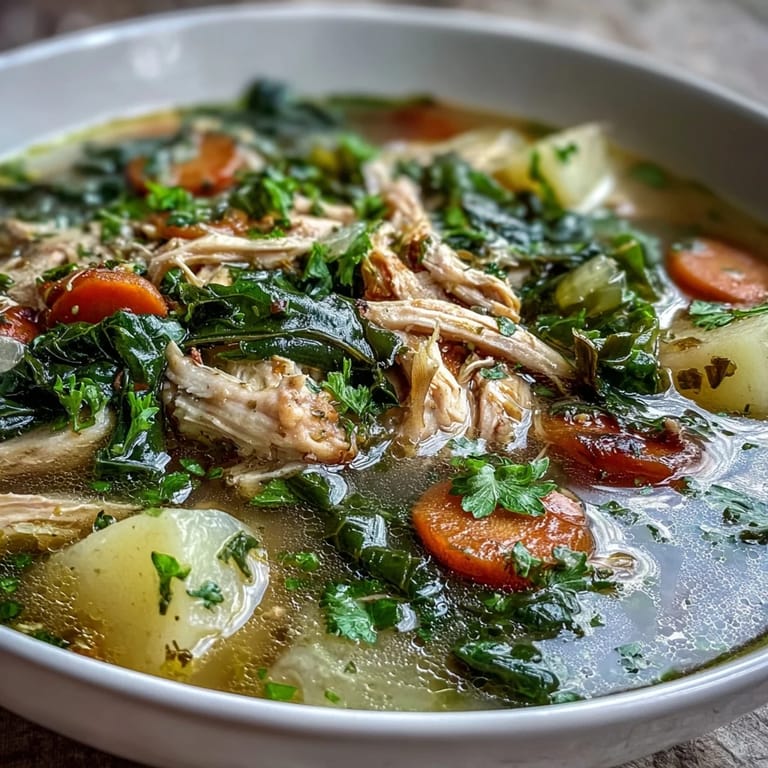
 My most vivid memory of this soup isn't from cooking it alone, but from standing at my stove with my young niece beside me on a step stool, watching her eyes widen as the pale broth turned into something with color and life. She declared it was "magic in a pot," and honestly, when a five-year-old thinks your cooking is magic, you've done something right.
Why This Soup Works Every Time
There's a quiet confidence that comes with knowing a recipe can't really go wrong. The vegetables build flavor naturally through gentle cooking, the chicken stays moist because it's simmering in broth, and the greens add nutrition without any pretense. I've made this soup hungover on a Sunday morning, tired after work on a Wednesday, and when I wanted to impress someone without spending hours in the kitchen. It never disappoints, which is the highest compliment a recipe can receive.
Variations and Flexibility
The beauty of this soup is how willing it is to accept substitutions and additions without losing its soul. Kale works beautifully in place of collard greens if that's what you have, though it'll cook a bit faster. Swiss chard brings a different flavor entirely but adds the same nutritional punch. You can make this vegetarian by using vegetable broth and a can of white beans instead of chicken, though you'll want to add the beans near the end so they don't fall apart. I've also thrown in a Parmesan rind while the soup simmered—don't tell anyone, but it's an old Italian trick that adds incredible depth, and you remove it before serving so there's no dairy for those who need it.
Make It Your Own
This is a soup that invites personalization without demanding it. Some people add red pepper flakes for heat, others swirl in a bit of hot sauce at the table. A handful of diced tomatoes goes in beautifully if you want brightness, and a splash of apple cider vinegar can replace the lemon if that's what you prefer. The core recipe is forgiving enough to welcome your favorite flavors and techniques without falling apart. So taste as you cook, trust your instincts, and remember that the best version of this soup is the one that makes you feel good.
- Serve with crusty bread for soaking up every last drop of broth, or ladle it over brown rice for something more substantial.
- Leftovers taste even better the next day once all the flavors have settled and deepened.
- This soup freezes beautifully for up to three months, though I've never had enough left over to actually test that claim.
 Pin It
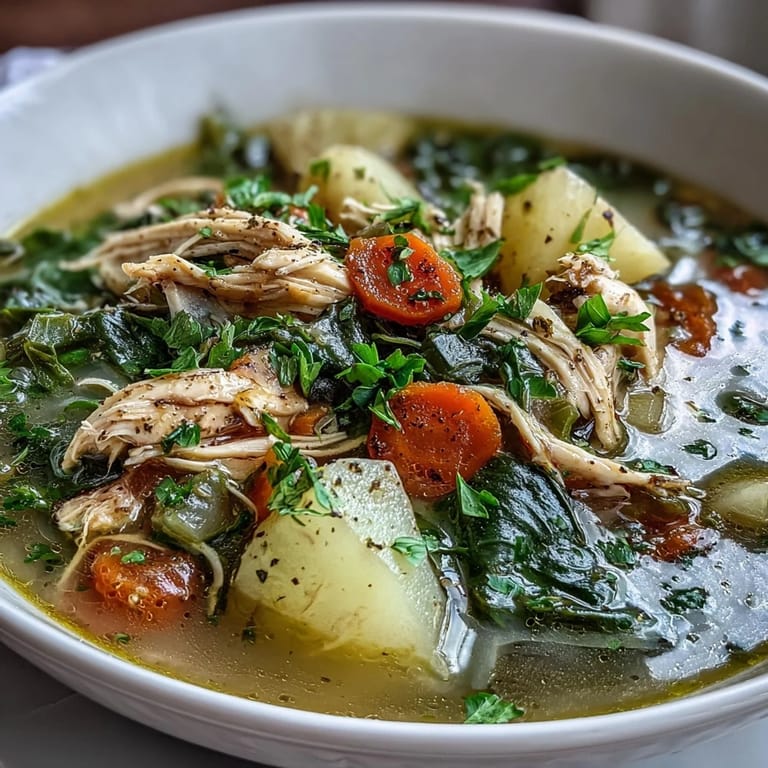
 This soup reminds me that the simplest meals often bring the most comfort. Make it, share it, and watch it become someone's favorite thing you do in the kitchen.
Recipe FAQ
- → How long does this soup keep in the refrigerator?
This soup stores well in an airtight container for 4-5 days. The flavors often develop and improve after a day or two.
- → Can I freeze this soup?
Yes, freeze for up to 3 months. The potatoes may become slightly softer after thawing, but the texture remains enjoyable.
- → What can I substitute for collard greens?
Kale, Swiss chard, or spinach work well as alternatives. Adjust cooking time slightly as spinach wilts faster than hearty collards.
- → How do I make this vegetarian?
Replace chicken broth with vegetable broth and omit the chicken breasts. Add a can of drained white beans or chickpeas for protein.
- → Can I use rotisserie chicken instead?
Absolutely. Shredded rotisserie chicken works perfectly—add it during the last 10 minutes of simmering just to heat through.
- → What should I serve with this soup?
Crusty bread, cornbread, or crackers make excellent accompaniments. For a heartier meal, serve over brown rice or with a side salad.