 Pin It
 My neighbor brought over a container of this Greek-style slow cooker dish on a cold Tuesday, and I still remember standing in my kitchen, steam rising from the pot, thinking how something so simple could smell so impossibly good. The aroma of oregano and tomato had already filled three rooms by the time I lifted the lid. That evening changed how I thought about weeknight cooking, because here was something that required almost no effort but tasted like it had been simmering in someone's Mediterranean kitchen all afternoon.
Last winter I made this for a Sunday gathering, and my friend Marcus sat at the kitchen counter watching me chop vegetables, asking why I wasn't using canned beans to speed things up. By the time everyone arrived and tasted the dish, he understood why dried black-eyed peas matter, their creamy texture completely different from anything from a tin. He actually asked for the recipe that night, and now it's become his go-to dish when he wants to impress people without fussing.
Ingredients
- Dried black-eyed peas (2 cups): Rinsing and picking through them takes just a minute but removes any hidden bits of stone or debris that occasionally show up in bulk legumes.
- Large onion (1): Finely chopped onion becomes the flavor foundation, so don't skip this step or use a smaller amount.
- Garlic (3 cloves): Minced fresh garlic matters here because it develops a mellow, sweet character during the long cooking time.
- Carrots (2) and red bell pepper (1): These vegetables add natural sweetness and color that brightens the earthiness of the peas.
- Canned diced tomatoes (1 can, 400 g): Use the juice as well, it's liquid gold for building the cooking medium.
- Tomato paste (2 tablespoons): This concentrated flavor amplifies the tomato complexity without watering down the stew.
- Vegetable broth (4 cups): Good quality broth makes a real difference, so choose one with minimal additives if possible.
- Extra virgin olive oil (1/3 cup): This is not the place to use a lesser oil, the quality shows up in the final taste.
- Dried oregano (2 teaspoons): Mediterranean oregano has that sun-dried character that defines this dish.
- Smoked paprika (1 teaspoon): The smokiness adds depth that regular paprika simply cannot match.
- Ground cumin (1/2 teaspoon, optional): If you add this, it whispers warmth without overpowering the oregano.
- Bay leaf (1): Always remember to fish this out before serving, or at least warn people it's in there.
- Salt and freshly ground black pepper: Taste as you go near the end of cooking and season to your preference.
Tired of Takeout? 🥡
Get 10 meals you can make faster than delivery arrives. Seriously.
One email. No spam. Unsubscribe anytime.
Instructions
- Gather and rinse your peas:
- Dump your dried black-eyed peas into a colander and run cool water over them, stirring with your fingers to check for any odd bits that don't belong. This only takes a minute and prevents surprises when you're eating.
- Chop your vegetables:
- Get your onion, garlic, carrots, and red pepper prepped and ready to go. The pieces don't need to be perfect, they'll soften completely anyway, but keeping them roughly uniform helps everything cook at the same pace.
- Build the slow cooker base:
- Layer the black-eyed peas first, then the onion, garlic, carrots, and bell pepper on top. This isn't strictly necessary but it helps distribute flavors evenly as everything comes together.
- Add your liquid and seasonings:
- Pour in the tomatoes with their juice, then add the tomato paste, vegetable broth, olive oil, oregano, paprika, cumin if using it, and bay leaf. Stir everything together so the tomato paste gets distributed throughout rather than clumping up in one spot.
- Season thoughtfully:
- Add a pinch of salt and several grinds of black pepper now, knowing you can always adjust at the end. This isn't your final seasoning, it's just a starting point.
- Cook low and slow:
- Cover your slow cooker and set it to low heat for six to seven hours. The peas will gradually become tender and creamy, and the broth will deepen in color and flavor as everything melds together.
- Check for doneness:
- Around the six hour mark, fish out a pea and taste it. It should be completely soft and creamy inside, not grainy or chalky.
- Remove the bay leaf and taste:
- Fish out that bay leaf carefully, then taste the stew and decide if it needs more salt, pepper, or even a splash more olive oil.
- Serve with care:
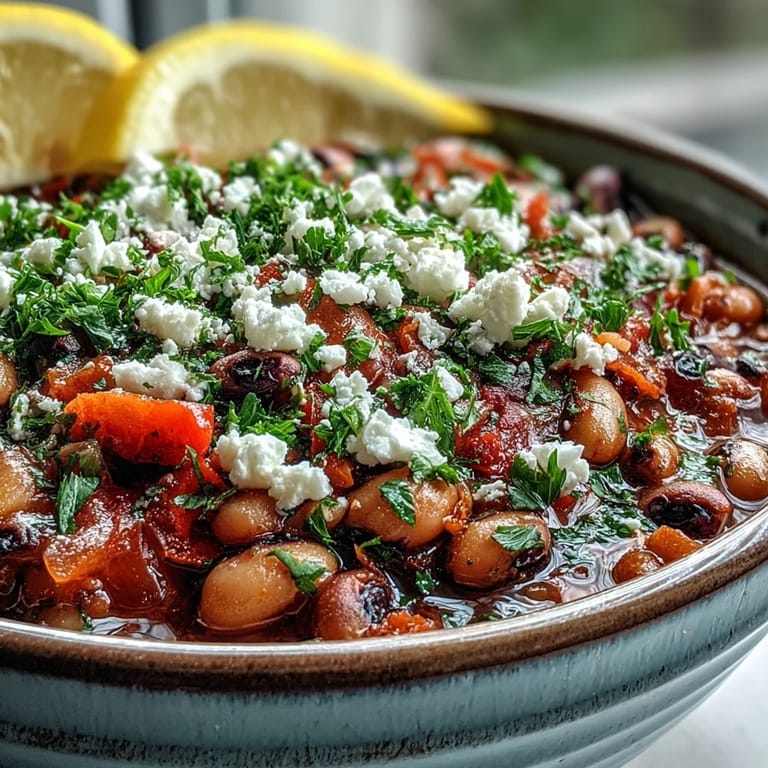
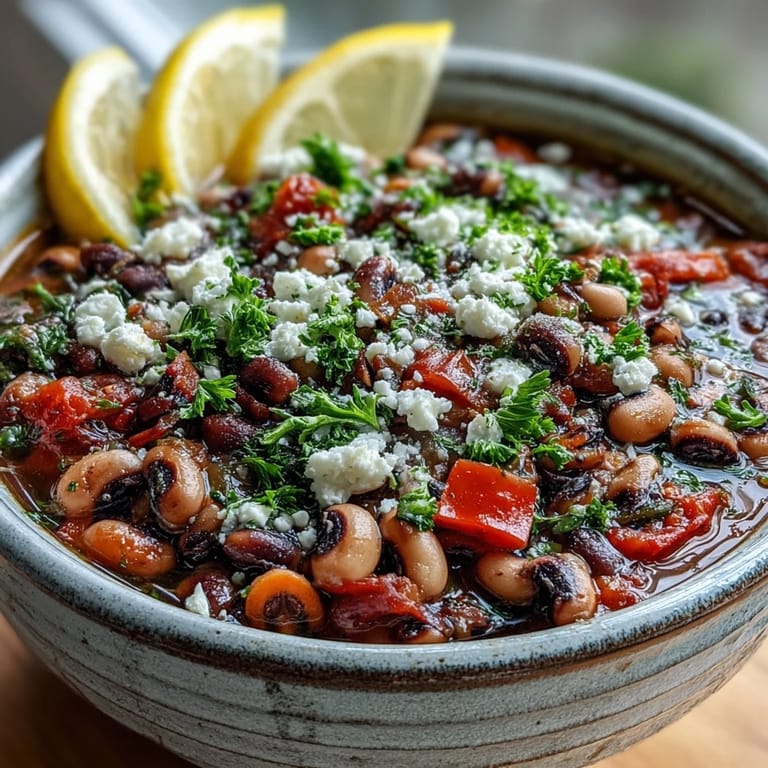
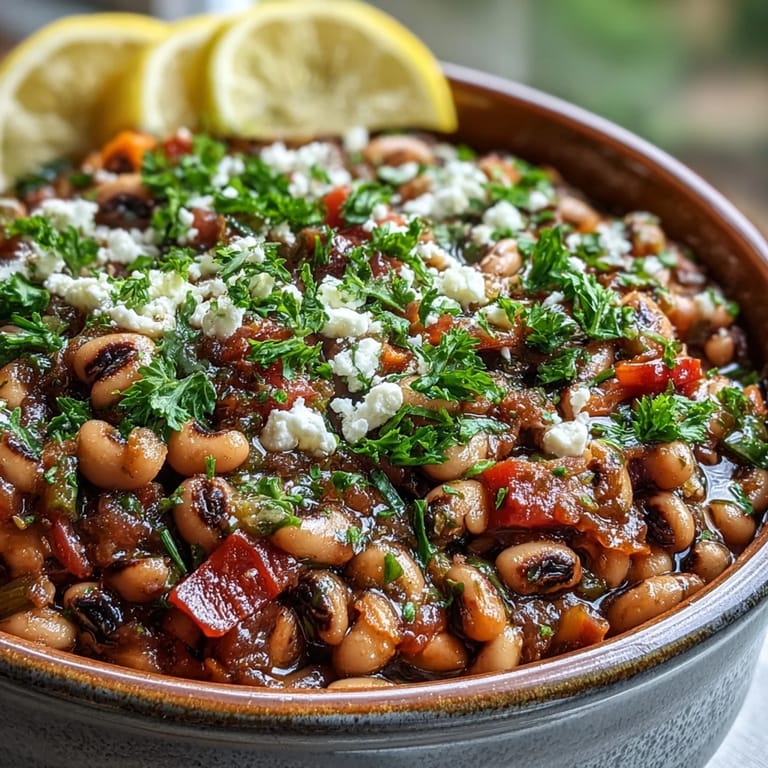
- Ladle the stew into bowls and finish with fresh parsley, feta cheese if you like it, and a squeeze of lemon wedge. The brightness of lemon is what ties everything together beautifully.
 Pin It
 There's a specific moment in the cooking process, somewhere around hour four, when you walk past your slow cooker and suddenly understand why people talk about Mediterranean food with such reverence. The smell has become so intoxicating that you start planning how to serve it, what bread to buy, who you might want to share it with. That's when food becomes more than sustenance, it becomes a way of saying something warm to the people around you.
Making It Thicker or Thinner
If you want a stew that's more brothy and light, just leave it as is and serve it in wide bowls with plenty of bread for soaking up the liquid. But if you prefer something more substantial and thick, remove the slow cooker lid during the final 30 minutes of cooking, which lets some moisture evaporate and concentrates all those flavors beautifully. I've found that most people fall somewhere in the middle, so taste and decide what calls to you.
Adding Greens Without Losing Anything
Fresh greens like spinach or kale want to go in during the final 30 minutes of cooking, no sooner, or they'll turn into sad, overcooked mush. I learned this by adding kale at the three hour mark once and watching it become something I wouldn't wish on anyone. Now I just bundle it up and stir it in at the end, letting it wilt gently from the heat without losing its color and character.
Serving Ideas and Wine Pairings
This stew loves crusty bread for scooping up every last bit of broth, or you can serve it over fluffy rice if you want something more filling. A crisp Sauvignon Blanc or Greek Assyrtiko wine cuts through the richness of the olive oil and complements the oregano beautifully, making dinner feel like something special even though you barely lifted a finger.
- Serve with thick slices of toasted bread and let people build their own perfect bite.
- Leftover stew reheats gently on the stovetop with a splash of water if it's thickened too much in the fridge.
- This freezes exceptionally well, so make a double batch and have it waiting for nights when cooking feels impossible.
 Pin It
 This recipe has become my quiet answer to nights when I need something nourishing but don't have energy to fuss. It asks for your attention for just fifteen minutes, then lets you go about your day while it quietly transforms into something wonderful.
Recipe FAQ
- → Do I need to soak the black-eyed peas before cooking?
No soaking required! The slow cooker method allows dried black-eyed peas to cook perfectly without pre-soaking. Just rinse them thoroughly, remove any debris or small stones, and they'll become tender during the 6-hour cooking time.
- → Can I use canned black-eyed peas instead?
Yes, you can substitute canned black-eyed peas. Use about 4-5 cans (drained and rinsed) and reduce the cooking time to 2-3 hours on low, or until the vegetables are tender and flavors have melded together.
- → What can I serve with these Mediterranean black-eyed peas?
This dish pairs wonderfully with crusty bread for dipping, steamed rice, or quinoa. A simple Greek salad with cucumber, tomatoes, and red onion makes a perfect fresh accompaniment. For a complete meal, serve alongside grilled vegetables or roasted potatoes.
- → How long will leftovers keep in the refrigerator?
Leftovers store beautifully in an airtight container for 4-5 days. The flavors actually develop and improve overnight, making this an excellent meal prep option. Reheat gently on the stovetop or in the microwave, adding a splash of water or broth if needed.
- → Can I freeze this dish?
Absolutely! This freezes well for up to 3 months. Cool completely before transferring to freezer-safe containers. Thaw overnight in the refrigerator and reheat on the stovetop. Note that the texture may be slightly thicker after freezing, which can easily be adjusted with additional broth or water.
- → Is this suitable for meal prep?
Perfect for meal prep! Make a batch on Sunday and portion into containers for weekday lunches. It reheats beautifully and maintains its texture. Consider adding fresh garnishes like parsley and lemon just before serving to keep them bright and vibrant.