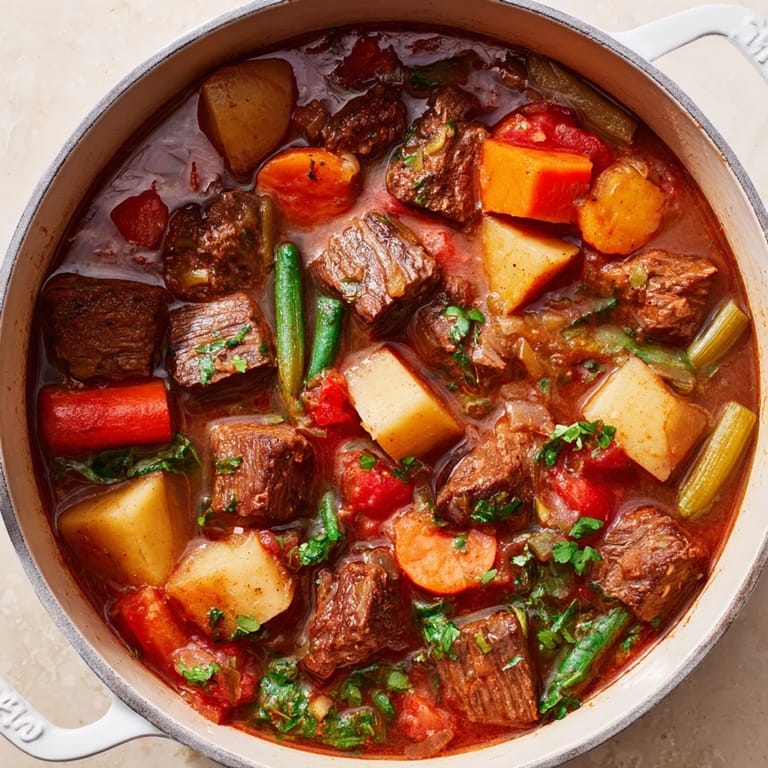
 Pin It
 I started making this soup on Sundays when the weather turned cold and I needed something that could feed a crowd without much fuss. The smell of browning beef and softening onions always pulled everyone into the kitchen before it was even close to ready. I loved how the barley thickened the broth just enough to make each spoonful feel like a full meal. It became the kind of dish I'd make without thinking, measuring everything by feel and taste.
One winter I made a double batch and brought half to a neighbor who had just had surgery. She called me the next morning to ask for the recipe, and I realized I had never written it down. That was the moment I started keeping better notes, because some recipes deserve to be shared exactly as they are.
Ingredients
- Beef stew meat: Look for chuck roast cut into cubes, it breaks down beautifully and stays tender after long simmering.
- Olive oil: Use enough to coat the bottom of the pot so the beef browns evenly without sticking.
- Onion: A large yellow or white onion adds sweetness and body to the broth as it cooks down.
- Carrots: Slice them into thick rounds so they hold their shape and add little pops of sweetness.
- Celery: It gives the soup that classic savory backbone and a bit of crunch if you don't overcook it.
- Garlic: Fresh cloves minced right before they go in make all the difference in flavor.
- Russet potato: It breaks down slightly and helps thicken the broth while adding heartiness.
- Frozen peas: Add them at the end so they stay bright green and don't turn mushy.
- Diced tomatoes: Use the whole can including the juices for a slight tang and extra richness.
- Pearl barley: Rinse it well to remove excess starch, it plumps up beautifully and gives the soup its signature chewiness.
- Beef broth: Use a good quality broth or stock, it forms the entire base of flavor here.
- Water: Just enough to thin the broth slightly and help everything simmer gently.
- Bay leaves: They add a subtle earthy note, just remember to fish them out before serving.
- Dried thyme and oregano: These herbs bring warmth and depth without overpowering the beef.
- Black pepper and salt: Season generously, but taste at the end because the broth can be salty on its own.
- Fresh parsley: A handful chopped at the end brightens everything up and makes it look homemade.
Tired of Takeout? 🥡
Get 10 meals you can make faster than delivery arrives. Seriously.
One email. No spam. Unsubscribe anytime.
Instructions
- Brown the beef:
- Heat the olive oil in your pot until it shimmers, then add the beef cubes in a single layer. Let them sear without moving them for a few minutes so they develop a deep brown crust. Remove them and set aside, leaving all those caramelized bits in the pot.
- Soften the vegetables:
- Toss in the onion, carrots, and celery, stirring them around to pick up the browned bits from the bottom. Cook until the onion turns translucent and the celery softens slightly, about five minutes.
- Add the garlic:
- Stir in the minced garlic and let it cook just until you can smell it, about a minute. Be careful not to let it burn or it will taste bitter.
- Build the soup:
- Return the beef to the pot along with the potatoes, tomatoes, barley, bay leaves, thyme, oregano, salt, and pepper. Stir everything together so the spices coat the meat and vegetables evenly.
- Simmer low and slow:
- Pour in the broth and water, then bring everything to a boil. Once it bubbles, turn the heat way down, cover the pot, and let it simmer gently for an hour and a half, stirring now and then to keep the barley from sticking.
- Finish with peas:
- About ten minutes before you are ready to eat, stir in the frozen peas and let them heat through. Taste the broth and add more salt or pepper if it needs it.
- Serve hot:
- Pull out the bay leaves, ladle the soup into bowls, and sprinkle fresh parsley on top if you have it. Serve it with crusty bread or just eat it as is.
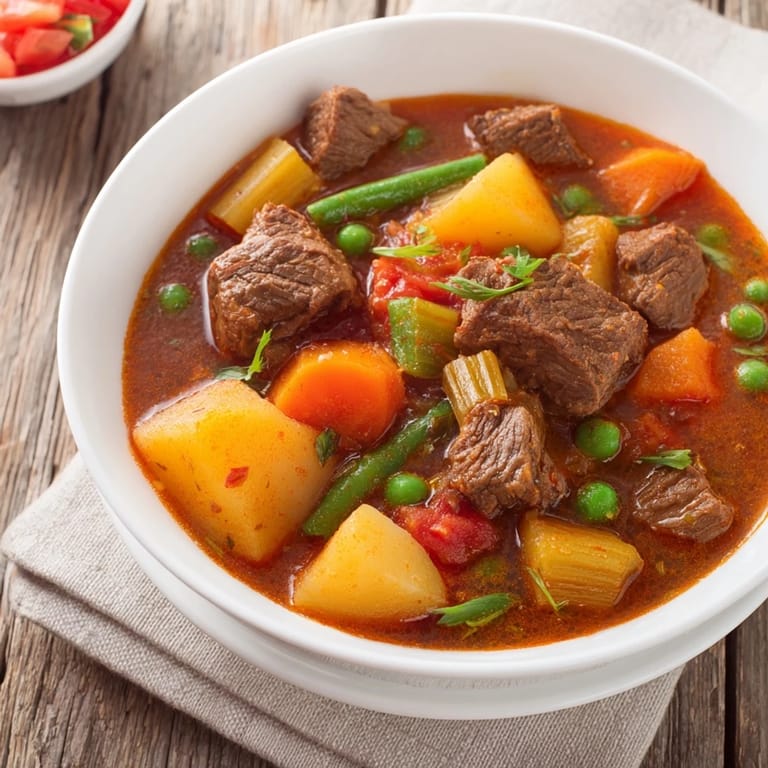 Pin It
 I remember serving this to a friend who swore she didn't like barley, and she went back for seconds without realizing what she was eating. That was the night I learned that good soup can change someone's mind about an ingredient they thought they hated.
How to Store and Reheat
Let the soup cool completely before transferring it to airtight containers. It keeps in the fridge for up to three days and tastes even better after the flavors have had time to deepen. You can also freeze it in individual portions for up to three months, just thaw it overnight in the fridge and reheat gently on the stove. Add a little extra broth or water if it has thickened too much.
Variations and Swaps
If you need a gluten-free version, swap the barley for brown rice or quinoa and adjust the cooking time accordingly. You can also use lamb or turkey instead of beef, or make it vegetarian by skipping the meat entirely and using vegetable broth with extra mushrooms for depth. A splash of Worcestershire sauce or red wine stirred in with the broth adds a subtle richness that makes people ask what your secret is.
What to Serve It With
This soup is hearty enough to stand alone, but it pairs beautifully with warm crusty bread, buttered rolls, or a simple green salad dressed with lemon and olive oil. On really cold nights I like to serve it with sharp cheddar on the side for crumbling into each bowl.
- Warm sourdough or French bread for dipping.
- A light arugula salad with shaved Parmesan.
- Extra parsley and a drizzle of good olive oil on top.
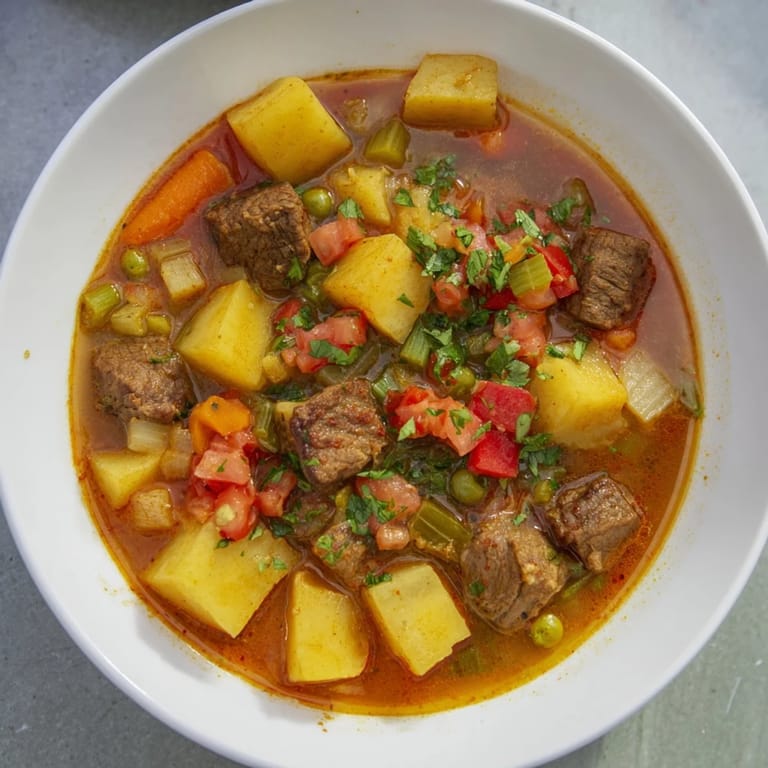 Pin It
 This soup has become one of those recipes I make without measuring anymore, adjusting by instinct and taste. I hope it becomes that kind of recipe for you too, the kind you turn to when you need something warm, filling, and completely reliable.
Recipe FAQ
- → What cut of beef works best for this dish?
Beef stew meat cut into 1-inch cubes is ideal as it becomes tender during slow simmering and infuses rich flavor throughout the broth.
- → Can barley be substituted for gluten-free options?
Yes, brown rice or quinoa can replace barley to accommodate gluten-free needs while maintaining a satisfying texture.
- → How long should the soup simmer?
Allow the mixture to simmer gently for about 1½ hours to tenderize the beef and blend flavors fully.
- → When should frozen peas be added?
Incorporate frozen peas during the last 10 minutes of cooking to retain their color and freshness without overcooking.
- → What seasonings enhance this hearty blend?
Bay leaves, dried thyme, oregano, salt, and pepper provide a balanced, savory depth that complements the beef and barley.