 Pin It
 My neighbor brought over miso salmon one evening, and I watched her glaze those fillets with something that smelled like caramel and the ocean combined. She said it took barely thirty minutes, and I was skeptical until I tasted it—the umami hit different, rich without being heavy, and suddenly I understood why she made it twice a week. That night, I borrowed her miso paste and never gave it back, which tells you something about how often this dish has landed on my table since.
I made this for my partner during a stretch where neither of us felt like ordering takeout, and they took one bite and said, this is what I've been craving and didn't know it. That one comment made me feel like a proper cook, not just someone following instructions.
Ingredients
- Salmon fillets (4, about 150 g each): Look for ones that feel firm and smell briny, not fishy—that's your sign they're fresh and worth the money you spent on them.
- White miso paste (2 tbsp): This is the backbone of the whole dish, so don't use red miso thinking it's close enough; they taste completely different, and white miso's lighter touch is what makes this glaze work.
- Mirin (1 tbsp): It adds a gentle sweetness that honey or maple syrup alone can't quite replicate, though either one works as a substitute if you don't have it.
- Low-sodium soy sauce (1 tbsp): The sodium matters because you're reducing this mixture slightly with heat, so regular soy sauce would end up tasting like the ocean.
- Honey or maple syrup (1 tbsp): Choose based on what you have; maple syrup tastes slightly earthier, honey slightly floral, but honestly they're both fine.
- Sesame oil (1 tsp): A little goes a long way here—it's not meant to be the star, just a whisper that tells you something special is happening.
- Freshly grated ginger (1 tsp): Pre-ground ginger tastes like dust compared to the fresh stuff, so take thirty seconds to grate it; your taste buds will thank you.
- Olive oil or sesame oil for spinach (2 tbsp): Sesame oil tastes more authentically Japanese, but olive oil is fine if that's what you reach for first.
- Shallot (1 large, thinly sliced): Shallots taste like onions that took a cooking class and came back more refined—sharper than regular onions but less aggressive.
- Garlic cloves (2, minced): Don't use the jarred stuff; it's one step too convenient and tastes like regret.
- Fresh ginger for spinach (1 tbsp, julienned): Cut it into thin matchsticks so it scatters beautifully through the spinach and hits your palate in pieces rather than as one overwhelming blob.
- Fresh baby spinach (400 g): The baby leaves wilt faster and taste slightly sweeter than mature spinach, which matters when you're cooking in about ninety seconds.
- Lemon wedges: They brighten everything right before you eat it, so don't skip them or squeeze them in too early.
Tired of Takeout? 🥡
Get 10 meals you can make faster than delivery arrives. Seriously.
One email. No spam. Unsubscribe anytime.
Instructions
- Get your oven ready and prep your workspace:
- Preheat to 200°C (400°F) and line a baking tray with parchment paper so the salmon doesn't stick and you're not scrubbing later. This takes two minutes and saves you ten minutes of regret.
- Mix the glaze that changes everything:
- In a small bowl, whisk together the miso paste, mirin, soy sauce, honey, sesame oil, and grated ginger until it looks smooth and glossy. You're looking for a consistency that clings to a spoon without running off—not quite paste, not quite liquid.
- Prepare your salmon for the oven:
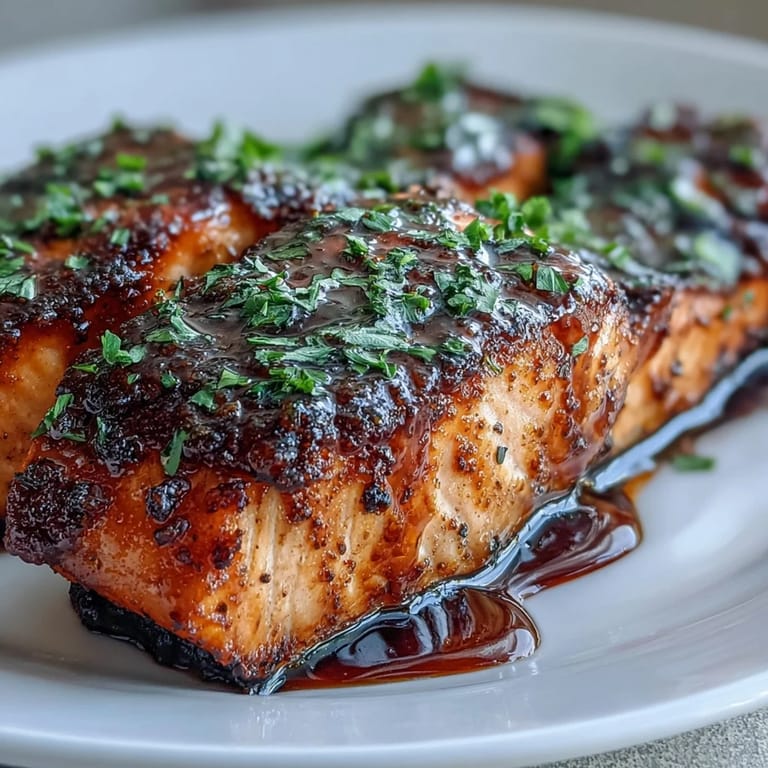
- Pat the fillets completely dry with paper towels because moisture is the enemy of a good glaze; wet salmon will steam instead of caramelize. Place them on the prepared tray, then brush each one generously with the miso mixture until it looks like they're wearing a golden coat.
- Bake until the magic happens:
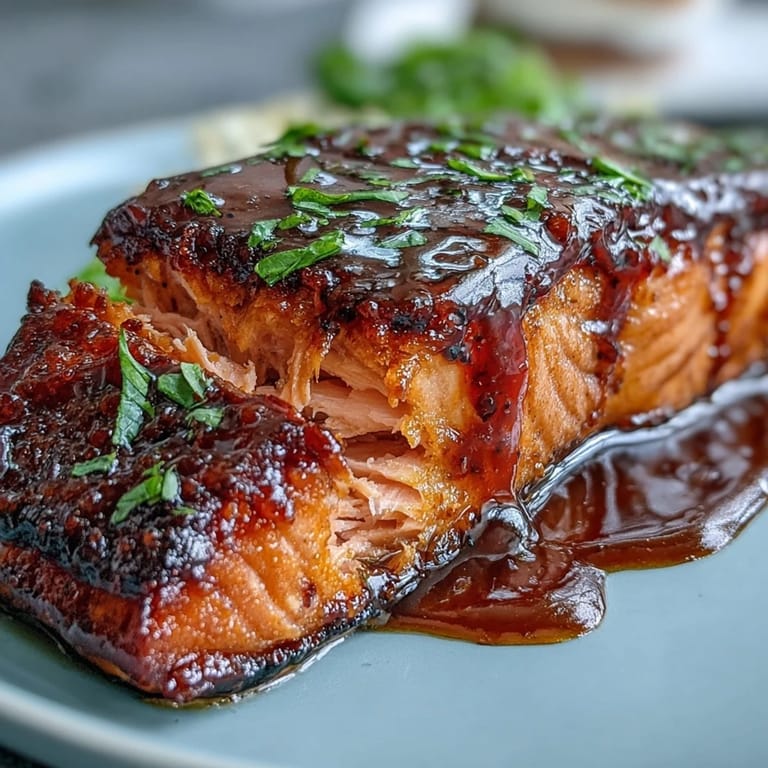
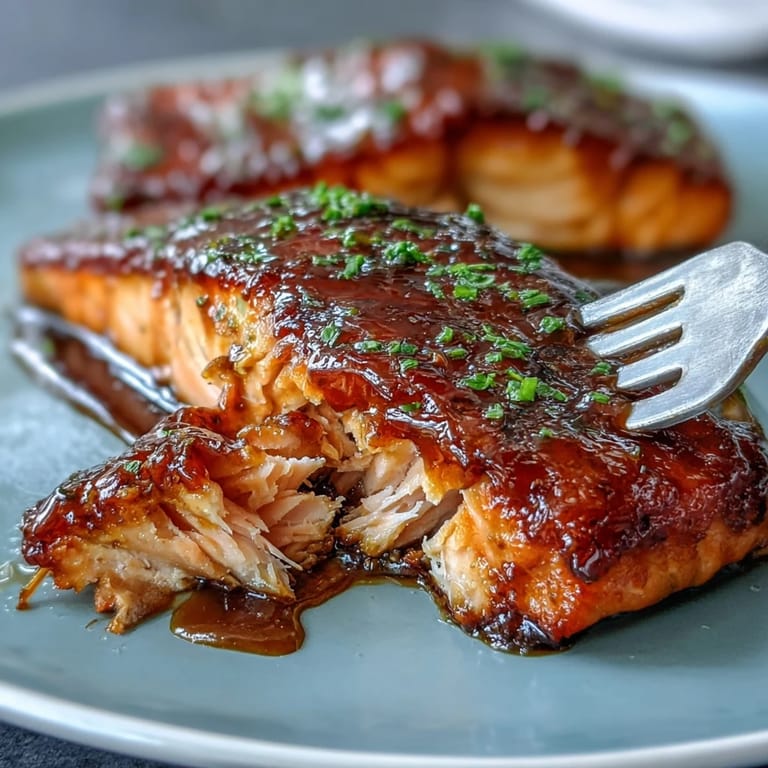
- Slide them into the oven for 10 to 12 minutes, depending on how thick your fillets are—you'll know they're done when the flesh flakes easily with a fork and the glaze has turned slightly darker and crusty on top. Don't open the oven door too many times; you're not a nervous parent checking on a sleeping baby.
- Build the spinach bed while salmon cooks:
- Heat your oil in a large skillet over medium heat, then add the sliced shallot, minced garlic, and julienned ginger. Sauté for about a minute until the kitchen smells impossibly good—this is where the magic starts for the spinach side.
- Wilt the spinach with intention:
- Add the spinach in batches, stirring gently until each addition wilts before you throw in more; trying to cram all four hundred grams in at once is how you end up with a tangled mess that's hard to cook evenly. Once it's all wilted, season with soy sauce and a few cranks of black pepper, then taste it.
- Assemble and serve while everything is hot:
- Divide the spinach among four plates, rest a salmon fillet on top of each pile, and place lemon wedges on the side. Squeeze those wedges over the salmon just before you eat it—the acid cuts through the richness and makes each bite taste brighter.
 Pin It
 I made this for my mom on a random Tuesday, and she sat at the table saying nothing for a full minute, which is her way of saying something really mattered. That's when I realized this dish isn't just dinner; it's the kind of thing that makes people slow down and actually taste what they're eating.
The Glaze Is Everything
The miso paste is doing something special here—it's salty and deep and umami-rich in a way that regular salt never is, and when you combine it with honey and sesame oil, you're basically creating a glaze that tastes like it took hours but took maybe five minutes. The key is not overthinking it; just mix it together and trust that those five simple flavors know how to get along.
Timing Is Your Friend
The reason this dish works as a weeknight dinner is because the salmon and spinach cook on almost the same timeline, which means you're not juggling multiple pots and pans for ages. By the time your salmon hits the oven, you can start your spinach prep, and everything finishes within minutes of each other.
Customization and Small Touches
This is a recipe that welcomes small additions without falling apart—I've scattered toasted sesame seeds on top, added sliced scallions for a fresh note, and once even thrown in a few chili flakes because I was feeling bold. The foundation is strong enough that you can play without breaking it.
- Sprinkle toasted sesame seeds or sliced scallions on top right before serving for texture and freshness that elevates everything.
- Serve alongside steamed rice or quinoa if you want something to soak up any extra glaze pooling on your plate.
- A crisp white wine like Sauvignon Blanc pairs beautifully because it cuts through the richness without competing with the delicate salmon flavor.
 Pin It
 This meal has become my go-to when I want to feel like I know what I'm doing in the kitchen without actually spending hours there. It's simple enough to make on a Tuesday and special enough to serve when people matter.
Recipe FAQ
- → Can I use other types of fish?
Yes, this miso glaze works wonderfully with other fatty fish like black cod, sea bass, or trout. Adjust cooking time based on fillet thickness.
- → How do I store leftovers?
Store cooled salmon and spinach separately in airtight containers in the refrigerator for up to 2 days. Reheat gently in the oven at 160°C (325°F) until warmed through.
- → Can I make the glaze ahead?
Absolutely! The miso glaze can be prepared up to 5 days in advance and stored in the refrigerator. Bring to room temperature before using for easier brushing.
- → What can I serve alongside?
Steamed jasmine rice, quinoa, or udon noodles make excellent sides to soak up the flavorful juices. Miso soup or a crisp cucumber salad round out the meal beautifully.
- → Is this suitable for meal prep?
This dish is perfect for meal prep. Cook the salmon and spinach, portion into containers, and refrigerate. The flavors actually develop more depth overnight.