 Pin It
 My neighbor Marcus showed up at my kitchen door one February afternoon with a bag of dried black-eyed peas and a stubborn conviction that I needed to stop making the watered-down version from cans. He stood at my stove for two hours, talking about his grandmother's pot in East Texas, how the bacon fat was non-negotiable, and why Rotel tomatoes were the secret weapon nobody wanted to admit they used. By the time that pot came off the heat, my kitchen smelled like smoke and spice, and I understood what he meant about doing it right.
I made this for a work potluck last spring when everyone was tired of salads, and watching people go back for thirds told me everything I needed to know. One colleague asked for the recipe, then admitted she'd never cooked dried peas before and was nervous about ruining them—I realized this dish has a way of making people braver in the kitchen, which might be the best thing it does.
Ingredients
- Dried black-eyed peas (1 pound): Rinsing and sorting them takes five minutes and prevents any grit from sneaking into your pot, a small step that makes a real difference.
- Thick-cut bacon (8 ounces): Don't skip this or use thin bacon—the rendered fat is where the flavor lives, and thick-cut gives you enough substance to taste it.
- Yellow onion and jalapeños: These soften together in the bacon fat and lose their sharp edges, becoming the sweet and spicy backbone of everything that follows.
- Garlic (4 cloves): One minute of cooking with the onions is enough; any longer and it turns bitter and bossy.
- Rotel tomatoes (two 10-ounce cans): This is the move that changed my mind about canned tomatoes—the green chilies and seasoning do the heavy lifting so you don't have to.
- Chicken broth and water (6 cups and 2 cups): The combination of both keeps the flavor from becoming one-note, and low-sodium broth lets you control the salt.
- Chili powder, smoked paprika, cumin: These three spices create a warmth that feels deeper than the sum of their parts.
- Bay leaves (2): They add a subtle herbal note that people taste but can never quite name.
Tired of Takeout? 🥡
Get 10 meals you can make faster than delivery arrives. Seriously.
One email. No spam. Unsubscribe anytime.
Instructions
- Render the bacon until it crackles:
- Cook the diced bacon over medium heat for 6 to 8 minutes, listening for that crispy sizzle that tells you the fat has fully released. Remove it with a slotted spoon, leaving all that golden fat behind in the pot like liquid gold.
- Build your flavor base with onions and peppers:
- Add the chopped onion and diced jalapeños to the bacon fat and let them soften for 4 to 5 minutes, stirring occasionally so they caramelize slightly at the edges. The kitchen should smell warm and a little spicy by now.
- Wake up the garlic:
- Stir in the minced garlic and cook for exactly one minute until it becomes fragrant and releases its sharpness into the fat. Don't walk away—this is a quick step that matters.
- Combine everything in one pot:
- Add the rinsed peas, cooked bacon, Rotel tomatoes with their juice, both broths, all your spices, and the bay leaves. Stir everything together so nothing settles on the bottom, then taste the raw broth to make sure you like the seasoning before you commit to an hour of cooking.
- Bring to a boil, then drop the heat low:
- Let it bubble up at first, then cover and reduce the heat so it simmers gently for an hour, stirring every 20 minutes or so. The peas will soften and begin to release their starch, which is what makes the liquid creamy.
- Finish uncovered until creamy:
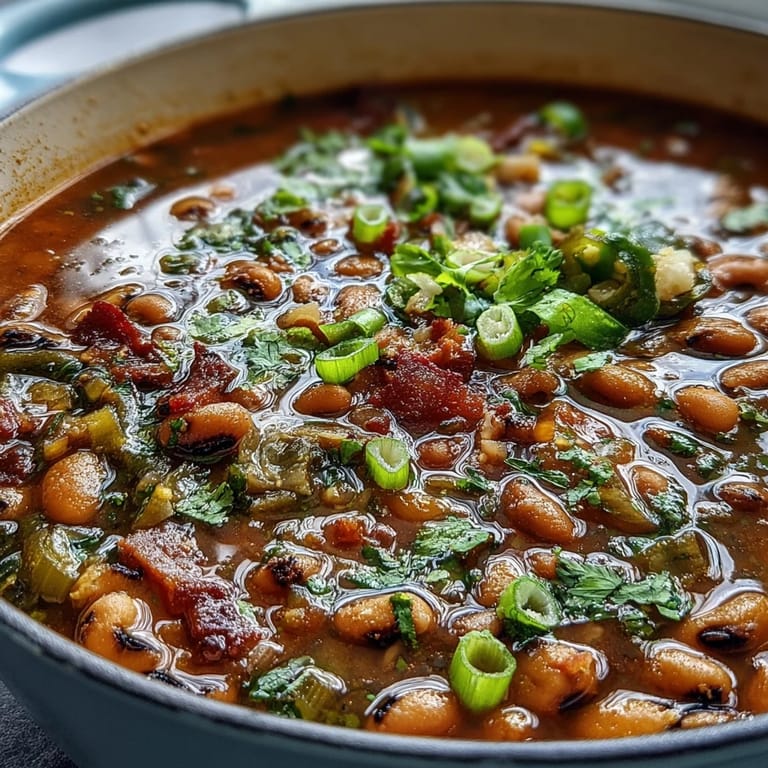
- After an hour, remove the lid and simmer for another 20 to 30 minutes so some liquid evaporates and the texture becomes thick and luxurious. Taste a pea—it should be tender enough to break apart with your tongue.
- Taste, adjust, and serve:
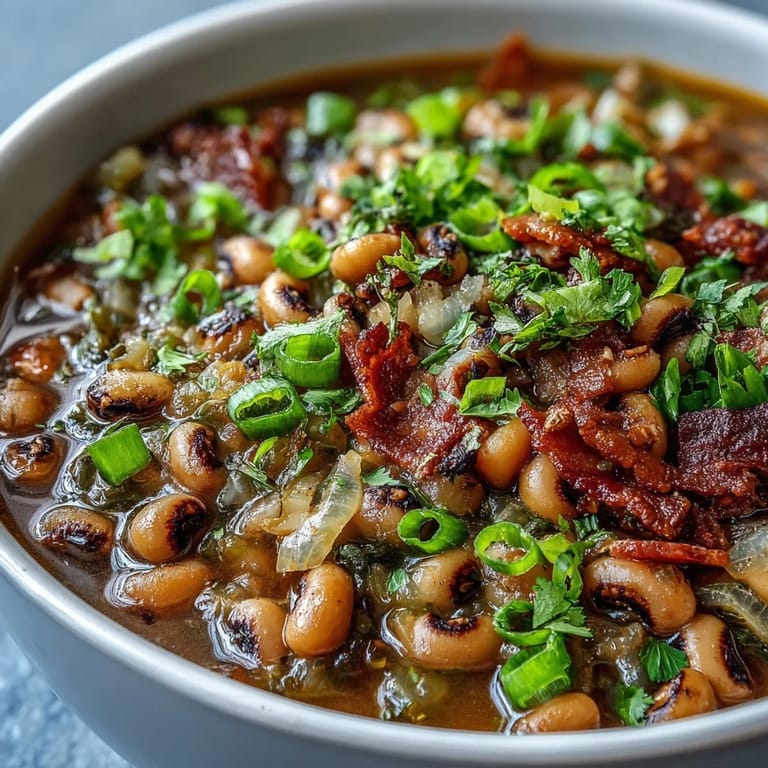
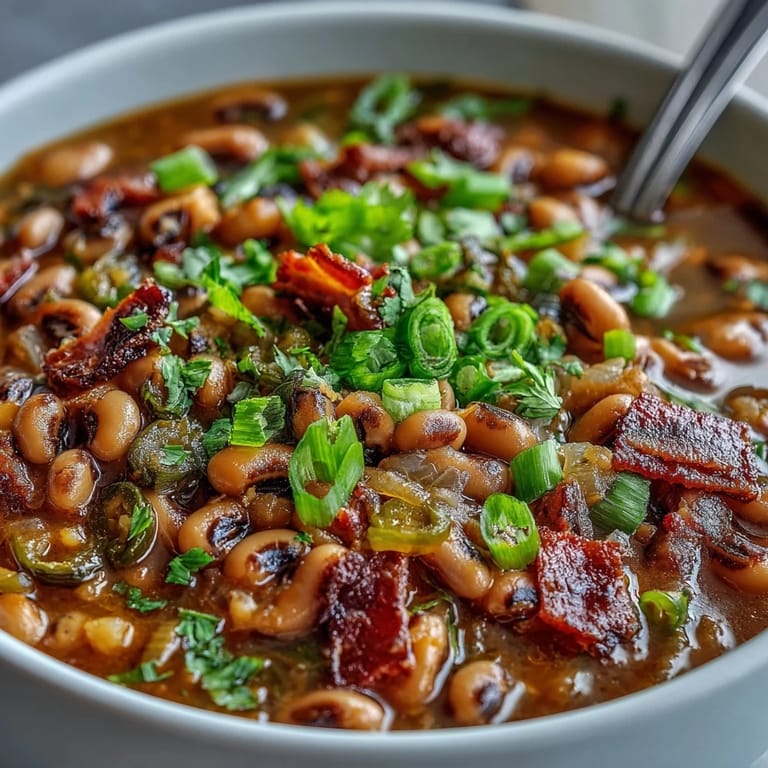
- Fish out the bay leaves, then taste for salt and heat and add what your pot needs. Serve it hot with cilantro and green onions scattered over the top if that's your style.
 Pin It
 My sister brought her new partner to dinner one winter and served this from a slow cooker she'd started that morning, and watching him eat three bowls while they talked and laughed reminded me that good food is just an excuse to sit at the table longer. When he asked to learn how to make it, that's when I knew this recipe had that quiet power to make people feel like they belonged.
The Bacon Fat Philosophy
The moment you render the bacon, you've already won half the battle, because that fat carries flavor in a way that oil just cannot. Every vegetable that touches it becomes richer, every spice that blooms in it becomes deeper, and that's not exaggeration—it's just chemistry working in your favor. I used to think rendered bacon fat was wasteful, but now I understand it as the foundation of something that tastes like it simmered for hours when it only took 90 minutes.
Leftovers and Time
This pot actually improves on day two or three, which is rare enough to be worth celebrating, because most dishes give up after the first serving. The peas continue to soften and absorb the spiced liquid, and the flavors meld into something more integrated and generous than they were fresh from the stove. I've kept this in the fridge for four days and eaten it cold, warmed over the stove, and mixed into rice, and it hasn't disappointed me once.
When to Serve This and What to Pair It With
This dish feels at home in winter when you want something grounding, but it also works in early spring when you're tired of heavy food and want comfort that's still somehow light. Cornbread is the obvious partner, crumbled right into the bowl with butter melting into it, but I've also ladled this over steamed rice and watched it disappear just as fast.
- Cornbread with butter is the traditional route, but flour tortillas work beautifully if you're in the mood for something different.
- A cold beer or sweet tea cuts through the richness and makes the meal feel balanced and complete.
- Serve this in January or February when the days are short and everyone needs something warm.
 Pin It
 This recipe taught me that simple ingredients, when treated with respect and given time, become something that feeds both body and spirit. Make it once and you'll understand why my neighbor showed up at my door that February afternoon so convinced I needed to get it right.
Recipe FAQ
- → Do I need to soak black-eyed peas before cooking?
No soaking required for this preparation. The peas cook directly in the liquid and become tender after about an hour of simmering. Just rinse and sort them before adding to the pot.
- → Can I make this vegetarian?
Absolutely. Omit the bacon and substitute vegetable broth for the chicken broth. Add extra smoked paprika or a few drops of liquid smoke to maintain the smoky depth that bacon typically provides.
- → How do I store leftovers?
Refrigerate in an airtight container for up to 4 days. The flavors continue to develop and improve over time. Reheat gently on the stovetop, adding a splash of broth or water if needed to loosen consistency.
- → What should I serve with Texas black-eyed peas?
Cornbread is the classic accompaniment, soaking up the flavorful broth. Steamed rice also works beautifully. For a complete Southern spread, add collard greens or roasted okra on the side.
- → Can I adjust the spice level?
Certainly. Remove all jalapeño seeds for a milder version, or leave some seeds in for extra heat. Add a pinch of cayenne pepper or an additional jalapeño if you prefer more spice. Taste and adjust at the end of cooking.
- → Why are my black-eyed peas still tough after cooking?
Older dried legumes take longer to cook. Continue simmering and add more liquid as needed. Hard water can also affect cooking time—using filtered water may help. Alternatively, add a pinch of baking soda to speed softening.