 Pin It
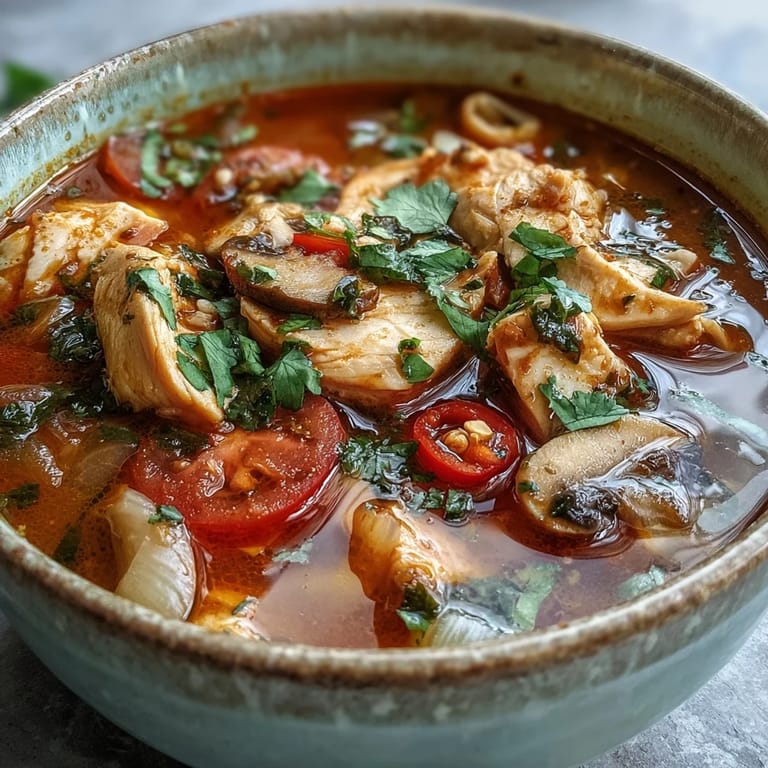
 The heavy monsoon rain pattered against my windows as I stirred the fragrant broth, the kitchen filling with aromas that transported me straight to the streets of Bangkok. I'd caught a nasty cold, and my Thai friend Suwanee insisted that only Tom Yum Gai could properly heal me. The first sip of that spicy-sour concoction sent tingles through my congested sinuses, clearing them instantly as the complex flavors danced across my tongue. I was converted on the spot.
Last winter, my brother visited after traveling through Thailand for three months. I nervously served him this soup, wondering if it would measure up to what he had experienced abroad. He went completely silent after the first spoonful, then looked up with wide eyes and said, I cant believe you made this in your kitchen. For a moment, we both felt the warmth of Thailand despite the snow piling up outside.
Ingredients
- Lemongrass: The woody, citrusy backbone of any Tom Yum, I learned to bruise it thoroughly with the back of my knife to release its essential oils.
- Nam Prik Pao: This roasted chili paste adds a complex sweetness and depth that transforms the soup from good to extraordinary.
- Kaffir Lime Leaves: These glossy leaves impart an aromatic citrus note that regular lime cant replicate, though I once tore them too small and spent ages fishing them out.
- Birds Eye Chiles: The tiny firecrackers that bring the heat, I always taste a minuscule piece first to gauge their intensity before deciding how many to add.
- Chicken: Slicing the chicken thinly against the grain ensures tender pieces that cook quickly without becoming tough.
Tired of Takeout? 🥡
Get 10 meals you can make faster than delivery arrives. Seriously.
One email. No spam. Unsubscribe anytime.
Instructions
- Infuse the Broth:
- Bring your chicken stock to a gentle simmer, then add the aromatics, watching as the clear liquid begins to take on a pale golden hue. The kitchen will fill with a citrusy, spicy perfume that tells you youre on the right track.
- Cook the Chicken:
- Slide those thin chicken slices into the fragrant broth, stirring gently as they transform from translucent to opaque. Keep an eye out for any foam rising to the surface, skimming it off for a clearer soup.
- Add the Vegetables:
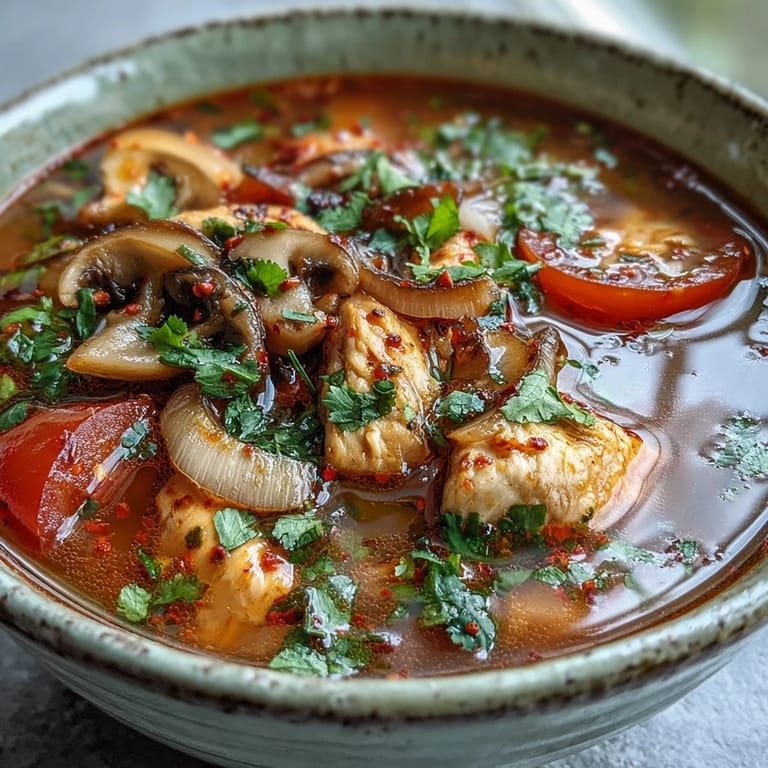
- Introduce the mushrooms, tomatoes, and onion to the party, letting them soften just enough to absorb the broth flavors. You want them tender but still with some texture, not swimming away into nothingness.
- Season the Soup:
- This is where magic happens as you balance the nam prik pao, fish sauce, and sugar. I like to add these elements gradually, tasting as I go until the flavor makes me close my eyes with satisfaction.
- Brighten with Lime:
- Off the heat, stir in that fresh lime juice, which brings everything into vivid focus. The sourness should make your mouth water slightly before you even take a sip.
- Serve with Flourish:
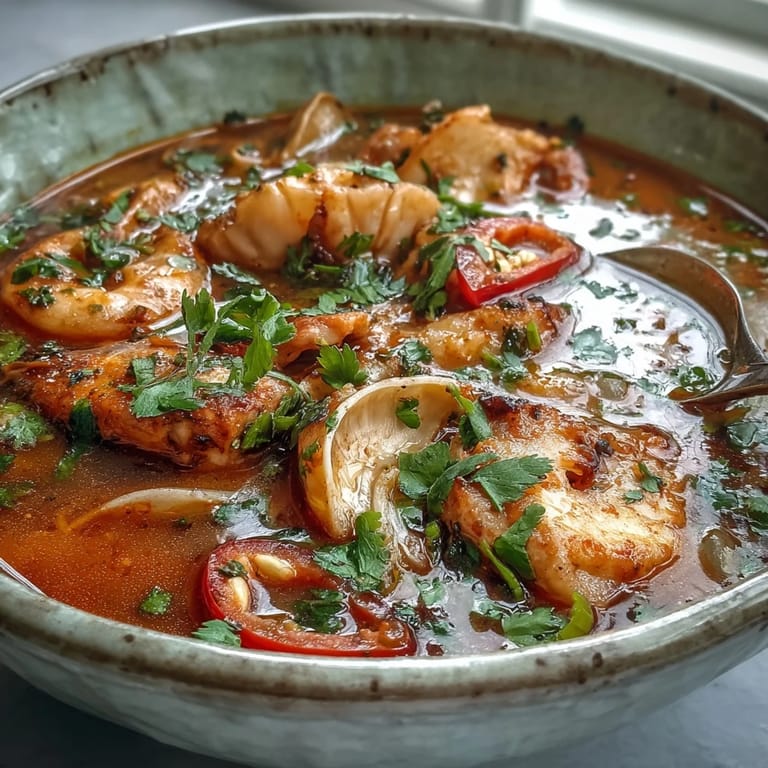
- Ladle this liquid gold into deep bowls, scattering fresh cilantro and optional extra chiles on top. Each bowl should steam invitingly, promising comfort and excitement in equal measure.
 Pin It
 The first time I made this soup for my best friend during a breakup, she paused between sobs, took a spoonful, and suddenly her tears took on a different quality. We laughed as her running nose could now be blamed on either emotions or chile heat. By the bottom of the bowl, she was smiling again, proving that Tom Yum Gai isnt just a soup, its emotional first aid in liquid form.
Balancing the Flavors
Thai cooking taught me that perfection lives in the balance of sour, sweet, salty, and spicy. When making Tom Yum, I treat each element as a dial I can adjust, tasting frequently and making minute changes. If the soup tastes flat, a splash more lime juice usually brightens everything up. Too sour? A pinch more sugar rounds it out. After dozens of batches, Ive learned to trust my taste buds more than any measuring spoon.
Ingredient Substitutions
One snowy evening, with a craving hitting hard and no way to reach the Asian market, I discovered that lemon zest and a bay leaf can somewhat mimic kaffir lime leaves in a pinch. Fresh ginger, while not identical to galangal, brings its own worthy dimension to the broth. For vegetarians in my life, I swap the chicken for firm tofu and use vegetable stock, adding a splash of soy sauce to compensate for the missing umami from fish sauce. The soul of Tom Yum remains intact through these adaptations, proving its versatility.
Serving Suggestions
Tom Yum Gai exists in that perfect space between light enough for an appetizer and substantial enough for a main course. When serving it as a starter, I ladle smaller portions into beautiful bowls, creating an impressive opening act for a larger Thai meal. For a complete dinner, I often serve it alongside a bowl of jasmine rice, which catches all those magical flavors and stretches the meal further.
- For a dinner party, set up a Tom Yum bar with extra garnishes like bean sprouts, Thai basil, and lime wedges so guests can customize their bowls.
- Leftovers actually deepen in flavor overnight, though I add fresh herbs and a squeeze of lime just before serving again.
- For summer evenings, I sometimes serve this hot soup with chilled cucumber slices on the side, creating a refreshing temperature contrast.
 Pin It
 This soup has become my kitchen signature, requested by friends when theyre feeling under the weather or just need comfort with a kick. Each steaming bowl carries not just nourishment but also the promise that something bold and beautiful can emerge from your own kitchen, no passport required.
Recipe FAQ
- → What makes Tom Yum Gai authentic?
Authentic Tom Yum Gai requires the holy trinity of Thai aromatics: lemongrass, kaffir lime leaves, and galangal. The nam prik pao (roasted chili paste) adds essential depth and richness that sets it apart from simple hot and sour soups.
- → Can I make it less spicy?
Reduce the number of Thai birds eye chiles or remove them entirely after infusing the broth. The nam prik pao still provides flavor without overwhelming heat. Start with one chile and adjust to your preference.
- → What's the best chicken cut to use?
Boneless, skinless chicken thighs stay tender and juicy in the hot broth. Breast meat works too but cooks faster and can become slightly firm. Slice thinly against the grain for the best texture.
- → Can I substitute galangal?
Fresh ginger makes an acceptable substitute if galangal isn't available, though the flavor profile will be slightly different. Use about the same amount and slice it thinly to release its aromatic oils during simmering.
- → How do I store and reheat leftovers?
Store in an airtight container for up to 3 days. The flavors often develop and improve overnight. Reheat gently over medium-low heat, adding a splash of water or stock if needed. Avoid boiling, which can toughen the chicken.
- → Is nam prik pao essential?
While you can make a simpler version without it, nam prik pao contributes significant depth, sweetness, and roasted chili complexity that defines the dish. Look for it in Asian markets or make a quick version at home.