 Pin It
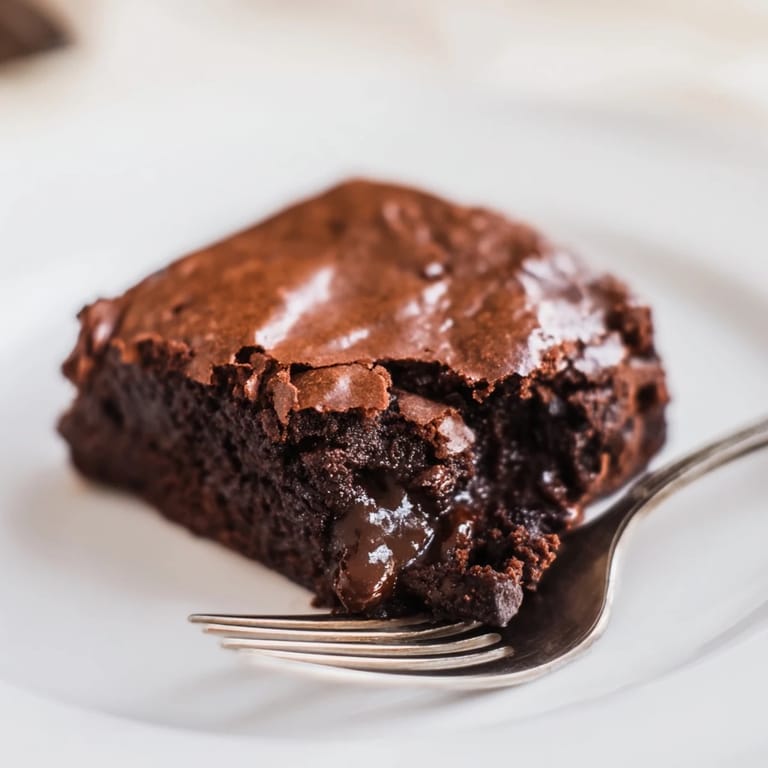
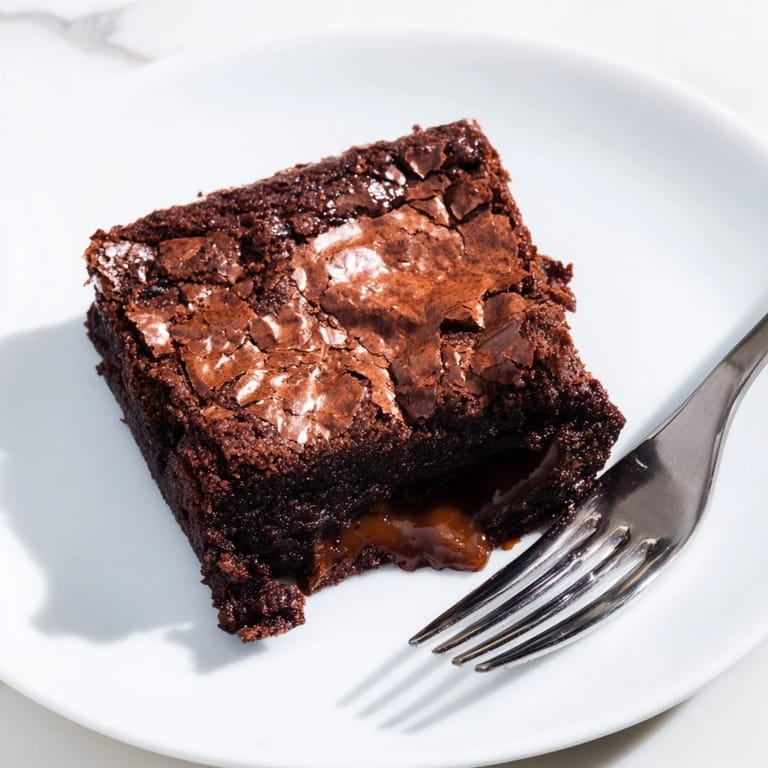
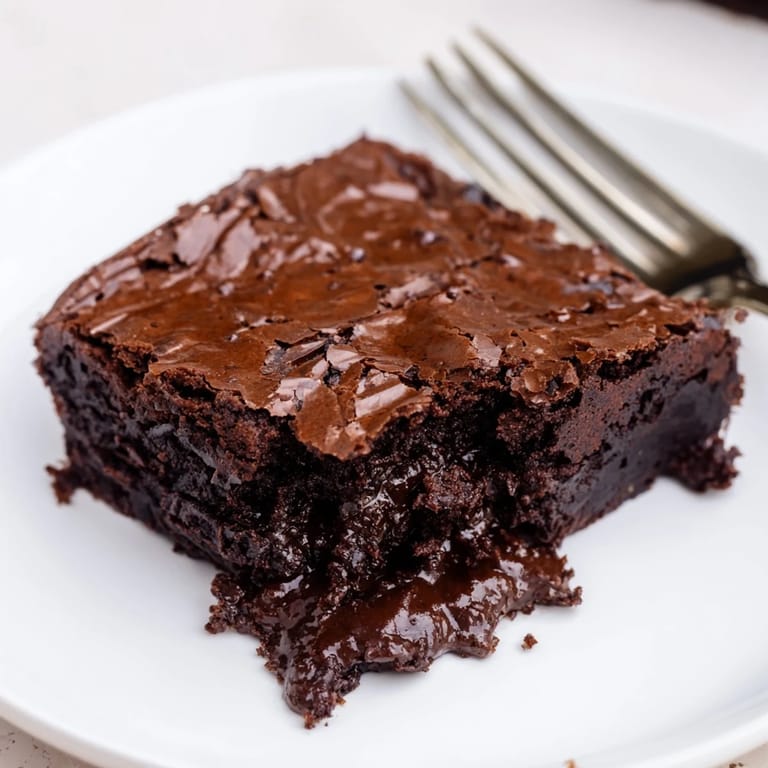
 There's something almost magical about pulling a brownie pudding from the oven and watching the crack spider across its dark, crinkled surface. I discovered this recipe during a particularly gray afternoon when I needed something that felt both impressive and deeply comforting. The first time I made it, I was convinced I'd overbaked it—until that first spoonful revealed the molten chocolate center, warm and impossibly silky. It's become the dessert I reach for when I want to feel like I've accomplished something special in the kitchen without the fuss.
I made this for my sister's book club last fall, and the moment everyone tasted it, conversation stopped—which never happens at her gatherings. She stood in the kitchen doorway watching people eat with their eyes closed, then whispered, 'You have to make this every time you visit.' That's when I knew I'd found something worth repeating.
Ingredients
- Unsalted butter: 225 g (8 oz) of good butter makes all the difference; it melts into the chocolate and creates that luxurious base.
- Semisweet chocolate: 170 g (6 oz) chopped fine so it melts evenly with the butter.
- Large eggs: 4 eggs at room temperature are essential for whipping to that pale, ribbon-like stage.
- Granulated sugar: 2 cups (400 g) sweetens and helps the eggs trap air.
- All-purpose flour: 1/2 cup (65 g) keeps the pudding from becoming too dense.
- Unsweetened cocoa powder: 2 tbsp deepens the chocolate flavor without adding sugar.
- Vanilla extract: 2 tsp brings warmth to the chocolate.
- Kosher salt: 1/4 tsp balances the sweetness and makes the chocolate sing.
- Vanilla ice cream or whipped cream: The optional topping that transforms it from dessert to experience.
Tired of Takeout? 🥡
Get 10 meals you can make faster than delivery arrives. Seriously.
One email. No spam. Unsubscribe anytime.
Instructions
- Heat and melt:
- Set a heatproof bowl over a pot of simmering water and add the chopped chocolate and butter, stirring until completely smooth. Let it cool just slightly before moving to the next step—you want it warm but not hot.
- Whip the eggs and sugar:
- In a stand mixer with the paddle attachment, beat the eggs and sugar on medium-high speed for 5 to 10 minutes until the mixture transforms into something pale, thick, and ribbony. This step is not optional; the air you're whipping in creates the cake structure.
- Combine gently:
- Switch to low speed, add the vanilla and salt, then slowly pour in that cooled chocolate mixture, stirring just until you don't see streaks anymore. Overmixing here will deflate all the air you just trapped.
- Fold in the dry ingredients:
- Sift the flour and cocoa powder together, then use a spatula to fold them in with a tender hand, stirring only until the flour disappears. A few gentle folds are better than aggressive mixing.
- Set up the water bath:
- Pour the batter into a buttered 2-quart baking dish, then place that dish inside a larger roasting pan. Fill the roasting pan with hot tap water until it reaches halfway up the sides of the baking dish—this gentle, moist heat is what keeps the center pudding-like.
- Bake to perfect imperfection:
- Bake at 325°F for exactly 1 hour; the top should be set and crackled, but the center should jiggle ever so slightly when you gently shake the pan. This is the moment where you have to trust that it's not broken, it's perfect.
- Rest and serve:
- Let it cool for at least 15 minutes so you don't burn your mouth on the lava-hot chocolate center. Serve it warm with vanilla ice cream or whipped cream melting into the cracks.
 Pin It
 My nephew once asked why his regular brownies couldn't have 'the melted middle part' like this one, and I realized that's exactly why this dessert feels like a small gift to whoever sits at the table. There's generosity baked into it, something that says you cared enough to do it right.
The Science Behind the Magic
This dessert works because of a careful balance between structure and moisture. The beaten eggs and sugar create a stable foam that sets into a cake around the edges, while the water bath keeps the center at a precise temperature where the chocolate stays silky instead of setting solid. The cocoa powder adds bitterness that prevents the dessert from feeling one-note, and the salt amplifies the chocolate flavor in subtle ways your taste buds register as 'deeper' without knowing why.
Customizing Your Pudding
Once you understand how this recipe works, you can play with it. A pinch of espresso powder in the batter intensifies the chocolate without making it taste like coffee, while a splash of rum or bourbon adds sophistication. Some people use bittersweet chocolate for a darker, less sweet version, though I find the semisweet creates the most forgiving, crowd-pleasing result. The beauty is that the technique stays the same even as you adjust the flavors.
Serving Suggestions and Storage
Warm is non-negotiable for this dessert; serving it at room temperature or cold loses the magic of that warm chocolate pudding center. You can make it up to 2 hours ahead and reheat it gently in a 300°F oven for about 10 minutes, though fresh from the cooling period is ideal. It's rich enough that small portions satisfy, and a spoonful melted with cold vanilla ice cream is genuinely elegant despite how simple it sounds.
- Always serve within a few hours of baking for the best pudding consistency.
- Store leftovers covered in the refrigerator and treat them as a cold chocolate mousse-like dessert.
- This is the perfect 'I made you dinner and dessert' moment when you need to impress without stress.
 Pin It
 This brownie pudding has become my answer to the question 'what should I make' when I want to feel like myself in the kitchen. It's the kind of dessert that reminds you why you cook in the first place.
Recipe FAQ
- → What creates the molten center in this dessert?
The water bath baking method gently cooks the batter, resulting in a soft, gooey center beneath a crackly top.
- → Can I use different types of chocolate?
Yes, bittersweet or semisweet chocolate can be used to adjust the richness and intensity of flavor.
- → How does the water bath affect the final texture?
The hot water bath controls the heat around the baking dish, producing a moist, tender consistency without overbaking.
- → What is the best way to serve this chocolate dessert?
Serving warm with vanilla ice cream or lightly sweetened whipped cream enhances the contrast of textures and flavors.
- → How do I avoid overbaking and maintain gooeyness inside?
Bake until the top is set and crackly but the center still jiggles slightly. Allow cooling before serving to set the texture.