 Pin It
 I discovered this recipe by accident on a Sunday morning when my freezer had half a pint of melted vanilla ice cream and absolutely nothing else that looked like breakfast. Rather than let it go to waste, I whisked it into eggs with the desperate hope it might work, and the moment that first slice hit the buttered skillet, the kitchen filled with this caramel-sweet smell that made me pause mid-flip. It became something I now make intentionally, because there's something almost magical about how ice cream transforms into this custardy, golden-brown perfection.
My neighbor came over one Saturday while I was flipping these, and the look on her face when I told her the custard was ice cream was worth every second of chopping stale bread. She made me promise to text her the recipe before she left, and now her kids request it every other weekend. That's when I knew this wasn't just a clever way to use up melted ice cream anymore.
Ingredients
- Thick-cut bread (brioche or challah): Slightly stale bread is your secret weapon here—it soaks up the custard without turning into mush, and the thick cut means you get pockets of custardy interior.
- Premium ice cream: Use vanilla or your favorite flavor, melted until it's pourable—the fat content creates that luxurious, caramelizing crust.
- Eggs: Two large ones bind everything together and give you that custardy set.
- Cinnamon and vanilla extract: Optional, but they echo and deepen the sweetness of the ice cream.
- Unsalted butter: Two tablespoons total, because you're building caramel here, and butter does that best.
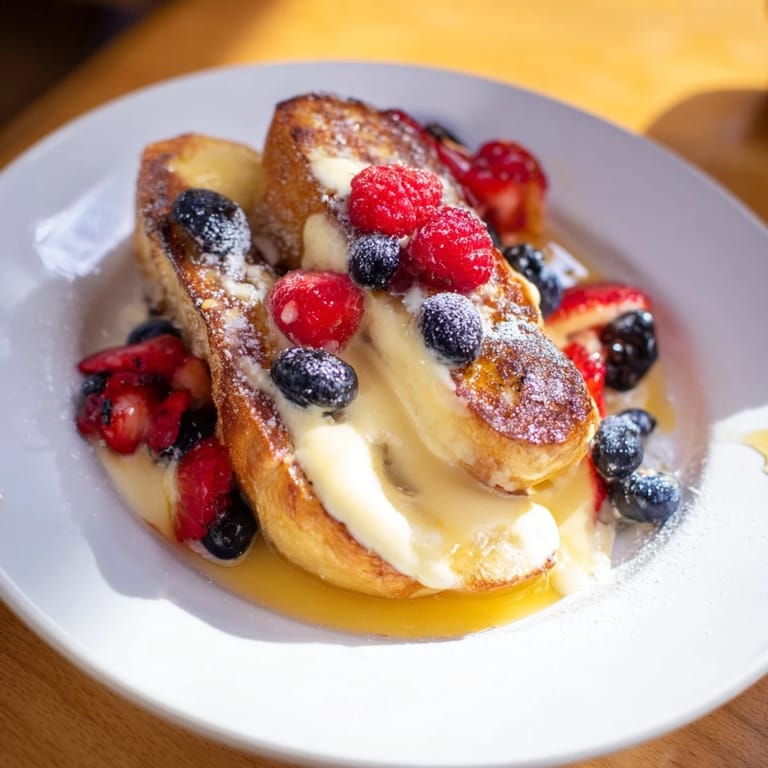
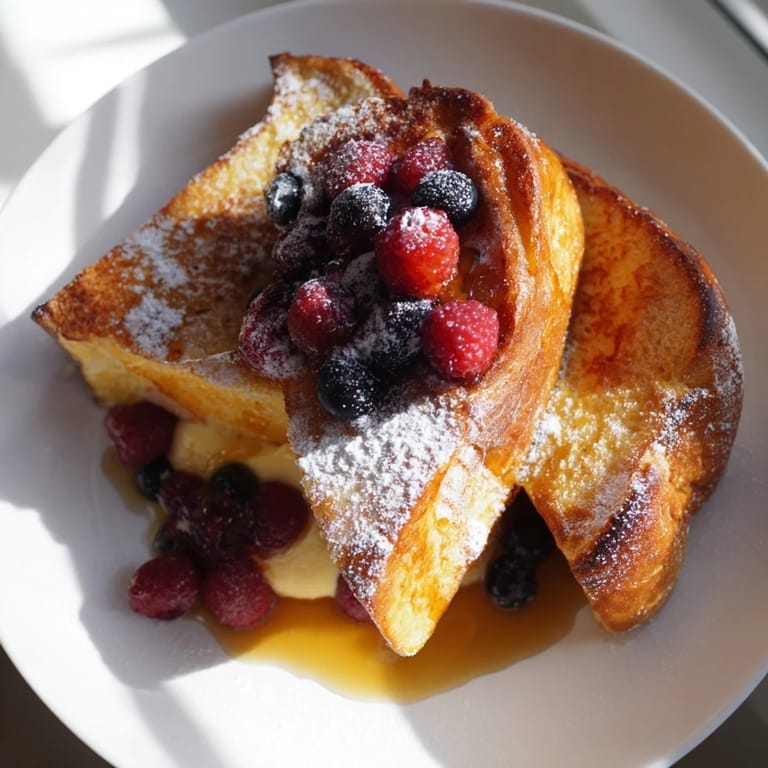
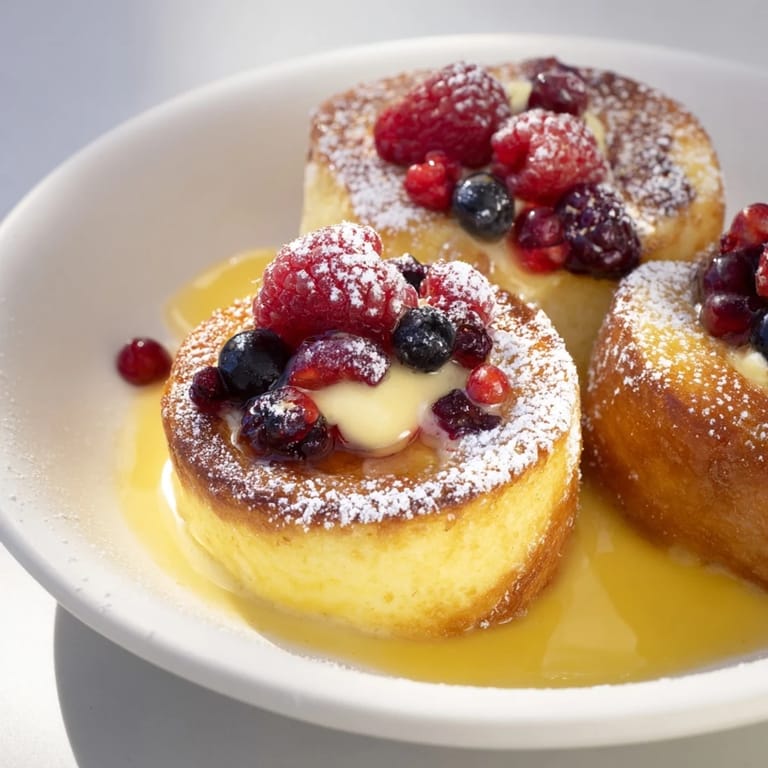
- Toppings: Maple syrup, berries, powdered sugar—or skip them if your ice cream flavor is already speaking for itself.
Tired of Takeout? 🥡
Get 10 meals you can make faster than delivery arrives. Seriously.
One email. No spam. Unsubscribe anytime.
Instructions
- Mix your custard:
- Whisk the melted ice cream with eggs, cinnamon, vanilla, and a pinch of salt in a large bowl until it's completely smooth. The consistency should look like thick cream, not chunky.
- Heat your pan:
- Get a nonstick skillet or griddle over medium heat and let 1 tablespoon of butter melt until it foams gently. You want it hot but not smoking, or the bread will burn before it cooks through.
- Soak each slice:
- Dip each piece of bread into the custard for about 10 to 15 seconds per side—long enough to soak but quick enough that it doesn't fall apart. Let excess drip off into the bowl as you transfer it to the pan.
- Cook until golden:
- Place soaked slices onto the hot butter and cook for 2 to 3 minutes per side until the edges are deep golden and caramelized. You'll hear a gentle sizzle, and the kitchen will smell incredible.
- Keep them warm:
- Transfer finished slices to a wire rack or plate while you cook the rest. This keeps the bottoms from getting soggy while you finish the batch.
- Serve immediately:
- Top with maple syrup, fresh berries, powdered sugar, or whatever feels right in that moment.
 Pin It
 The first time my dad tasted this, he went quiet for a moment, then asked if I was sure the custard was really just ice cream. That pause meant everything, because this dish bridges that line between breakfast and dessert in a way that feels a little bit like getting away with something.
Why Stale Bread Changes Everything
Fresh bread is too soft and absorbs liquid too quickly, turning into a soggy mess in seconds. When bread sits out for a day or two, the moisture evaporates and the structure tightens, so it can soak up the custardy mixture without falling apart. I learned this the hard way, trying to use a fresh loaf and ending up with something closer to bread pudding. Brioche and challah are your best choices because they have enough structure and just enough sweetness to complement the ice cream without fighting it.
The Art of Getting the Caramelization Right
Medium heat is the sweet spot—hot enough to create that golden crust but gentle enough to let the inside cook through without the outside burning. If your pan is too hot, the exterior browns before the eggs set, and you'll bite into something that's crispy on the outside and raw in the middle. I watch for that moment when the edges start to look caramel-colored and only then do I flip, usually after about 2 to 3 minutes.
Ice Cream Flavors Worth Exploring
Vanilla is the obvious choice because it's neutral and lets the caramelization shine, but once you've made it once, start experimenting. Coffee ice cream creates this deep, almost mocha flavor that pairs beautifully with maple syrup, and cinnamon ice cream tastes like the spice got amplified by the cooking. I've even tried salted caramel, which turned the whole thing into something that felt more like dessert than breakfast, and it wasn't wrong.
- Coffee ice cream pairs perfectly with a dark maple syrup or strong black coffee on the side.
- Cinnamon ice cream doesn't need extra spices in the custard mixture.
- Salted caramel is decadent but pairs best with fresh fruit to cut the richness.
 Pin It
 This dish reminds me that the best kitchen discoveries often come from what's already in your freezer, and that sometimes a small accident leads somewhere beautiful. Make it once, and it becomes the breakfast everyone asks for.
Recipe FAQ
- → What type of bread works best for this dish?
Thick-cut breads like brioche, challah, or Texas toast work best as they soak the custard well without becoming soggy.
- → Can I use any ice cream flavor?
Yes, vanilla is classic, but cinnamon, coffee, or chocolate ice cream add rich twists enhancing the custard flavor.
- → How do I achieve caramelized edges?
Cook bread slices in melted butter over medium heat until golden on both sides for perfectly caramelized edges.
- → Why use slightly stale bread?
Slightly stale bread absorbs the custard evenly without falling apart, resulting in better texture after cooking.
- → What are good accompaniments to serve with it?
Maple syrup, fresh berries, and a dusting of powdered sugar complement the dish for added sweetness and freshness.