 Pin It
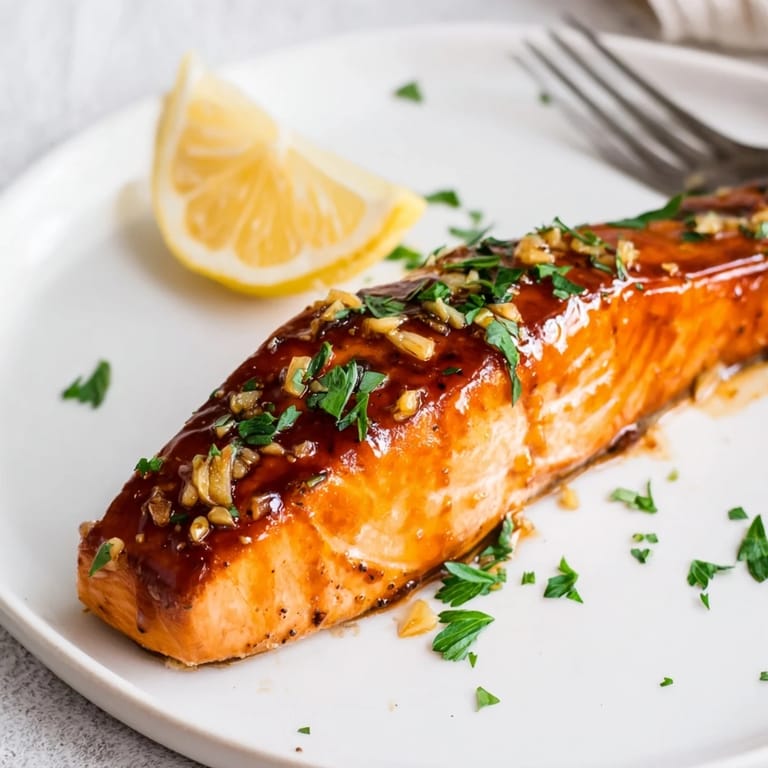
 A colleague once told me salmon intimidated her, and I understood why – restaurants make it look so effortless, that perfect glaze catching the light. But the truth is, this honey garlic version taught me that restaurant-quality fish is mostly about confidence and a good brush. The smell of garlic and honey mingling in a warm oven is enough to make anyone feel like a capable cook. I've made this on rushed weeknights and for guests who needed impressing, and it never lets me down.
I served this to my sister once when she was visiting between flights, tired and hungry. She ate in silence for a full minute, then looked up and asked if I'd taken a cooking class. I hadn't – I'd just learned to trust the oven and not fuss with the fish too much. Sometimes the best compliments come from the people who know you best, the ones who remember when you used to burn toast.
Ingredients
- Salmon fillets (about 170 g / 6 oz each), skin-on or skinless: The star of the dish, choose fillets that are evenly thick so they cook at the same rate, and pat them very dry before seasoning so the glaze clings properly.
- Salt and freshly ground black pepper: Just enough to wake up the natural flavor of the fish without competing with the glaze.
- Honey: Provides the sweetness and helps the glaze caramelize beautifully under heat, turning golden and slightly sticky.
- Unsalted butter, melted: Adds richness and helps the glaze coat the salmon in a silky layer that browns without burning.
- Garlic, minced: The savory backbone of the glaze, use fresh cloves and mince them finely so they melt into the sauce.
- Soy sauce: Brings umami depth and a touch of saltiness that balances the honey, use gluten-free if needed.
- Fresh lemon juice: Cuts through the richness with bright acidity and keeps the glaze from feeling too heavy.
- Dijon mustard (optional): A small spoonful adds a subtle tang and complexity that makes people ask what your secret is.
- Fresh parsley, chopped: A pop of green color and a hint of freshness right before serving.
- Lemon wedges: For squeezing over the finished salmon, adding an extra burst of citrus if desired.
Tired of Takeout? 🥡
Get 10 meals you can make faster than delivery arrives. Seriously.
One email. No spam. Unsubscribe anytime.
Instructions
- Prep the oven and tray:
- Preheat your oven to 200°C (400°F) and line a baking tray with parchment paper or give it a light grease. This keeps cleanup easy and prevents sticking.
- Season the salmon:
- Pat the fillets completely dry with paper towels, then arrange them on the tray and season both sides with a light sprinkle of salt and pepper. Dry fish means better browning and a glaze that actually sticks.
- Make the glaze:
- In a small bowl, whisk together the honey, melted butter, minced garlic, soy sauce, lemon juice, and Dijon mustard if using until smooth and well combined. The mixture should be glossy and pourable.
- Brush the fillets:
- Use a pastry brush to coat the top and sides of each salmon fillet generously with the glaze, letting it pool slightly around the edges. Don't be shy, this is where the flavor comes from.
- Roast until tender:
- Slide the tray into the oven and roast for 12 to 15 minutes, until the salmon flakes easily with a fork and the glaze has started to caramelize. The exact time depends on the thickness of your fillets.
- Optional broil for caramelization:
- If you want extra golden edges, switch the oven to broil for the final 1 to 2 minutes, watching closely so the glaze doesn't burn. This step is optional but adds a beautiful finish.
- Finish and serve:
- Remove the tray from the oven and spoon any pan juices back over the salmon, then sprinkle with chopped parsley and serve hot with lemon wedges on the side. The juices are too good to waste.
 Pin It
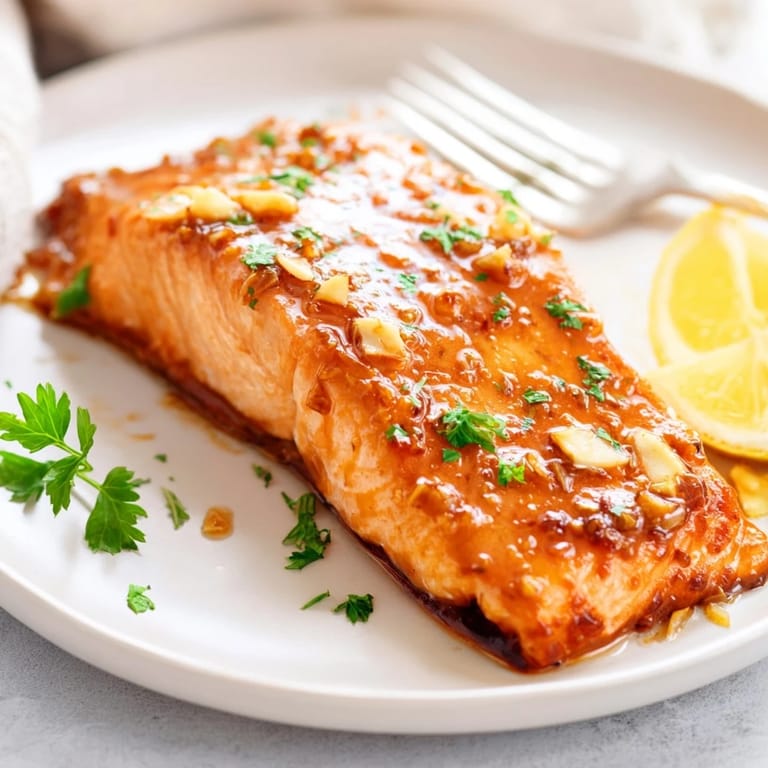
 One evening I made this for a friend who claimed she didn't like salmon, and halfway through her plate she admitted she'd been wrong all along. It wasn't the fish she disliked, it was the way it had been cooked before – dry, bland, forgettable. This version, with its sticky sweet glaze and tender flakes, changed her mind in less than twenty minutes.
Pairing and Serving Ideas
This salmon plays well with so many sides that you can let your mood or your fridge decide. I love it over steamed jasmine rice, where the glaze drips down and flavors every grain, or alongside roasted asparagus and baby potatoes for something more substantial. A crisp green salad with a lemony vinaigrette balances the richness beautifully, and if you're feeling indulgent, buttery mashed potatoes soak up the pan juices like a dream. The key is to keep sides simple so the salmon stays the star.
Variations and Adjustments
If you want a little heat, whisk a pinch of crushed red pepper flakes into the glaze before brushing it on, it adds warmth without overpowering the sweetness. You can swap the honey for maple syrup if that's what you have, the flavor shifts slightly but it's just as good. For a dairy-free version, replace the butter with olive oil or melted coconut oil, though you'll lose a bit of that rich, caramelized edge. I've also made this with skin-on fillets and left the skin crispy by starting them skin-side down in a hot skillet before transferring to the oven.
Storage and Reheating
Leftover salmon keeps in an airtight container in the fridge for up to two days, and while it's never quite as perfect as fresh from the oven, it's still delicious. I flake it into salads, toss it with pasta and a little cream, or eat it cold straight from the container with a squeeze of lemon. If you want to reheat it, do so gently in a low oven or covered in the microwave with a damp paper towel to keep it from drying out. The glaze will have thickened and soaked into the fish, which isn't a bad thing at all.
- Store cooled salmon in a sealed container and use within two days for best texture and flavor.
- Reheat gently to avoid overcooking, or enjoy it cold in grain bowls and salads.
- The glaze may solidify slightly when chilled but will soften again with gentle heat or at room temperature.
 Pin It
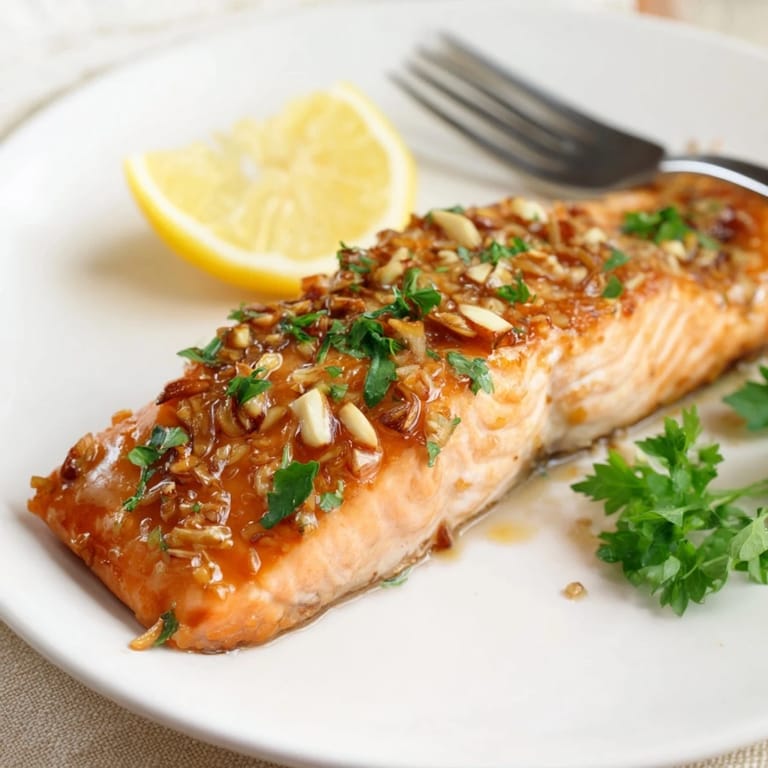
 This recipe has become my answer to the question of what to make when I want something special but don't have the time or energy for complicated steps. It's proof that a handful of good ingredients and a hot oven can turn an ordinary evening into something worth remembering.
Recipe FAQ
- → How do I know when the salmon is cooked through?
The salmon is ready when it flakes easily with a fork and reaches an internal temperature of 63°C (145°F). The flesh should be opaque throughout with no translucent areas remaining.
- → Can I prepare this on the stovetop instead of roasting?
Yes, you can pan-sear the salmon skin-side up in a skillet over medium-high heat for 4-5 minutes, then flip and cook another 2-3 minutes. Apply the glaze during cooking and finish with a baste of pan juices.
- → What's the best way to store leftovers?
Store any leftover salmon in an airtight container in the refrigerator for up to 2 days. Reheat gently in a 150°C (300°F) oven for about 10 minutes to avoid drying it out.
- → Can I substitute the honey with another sweetener?
Absolutely. Maple syrup works beautifully as a 1:1 replacement, or try agave nectar for a milder sweetness. Brown sugar dissolved in warm water also creates a delicious glaze.
- → What side dishes pair well with this salmon?
Steamed or roasted asparagus, jasmine rice, roasted baby potatoes, or a crisp green salad complement the rich glaze perfectly. Roasted bok choy or broccoli also works wonderfully.
- → Is this suitable for meal prep?
Yes, you can prepare the glaze ahead and store it in the refrigerator for up to 3 days. Cook the salmon fresh for best texture, as reheated salmon can become dry. You can also cook it ahead and serve cold or at room temperature for salads.