 Pin It
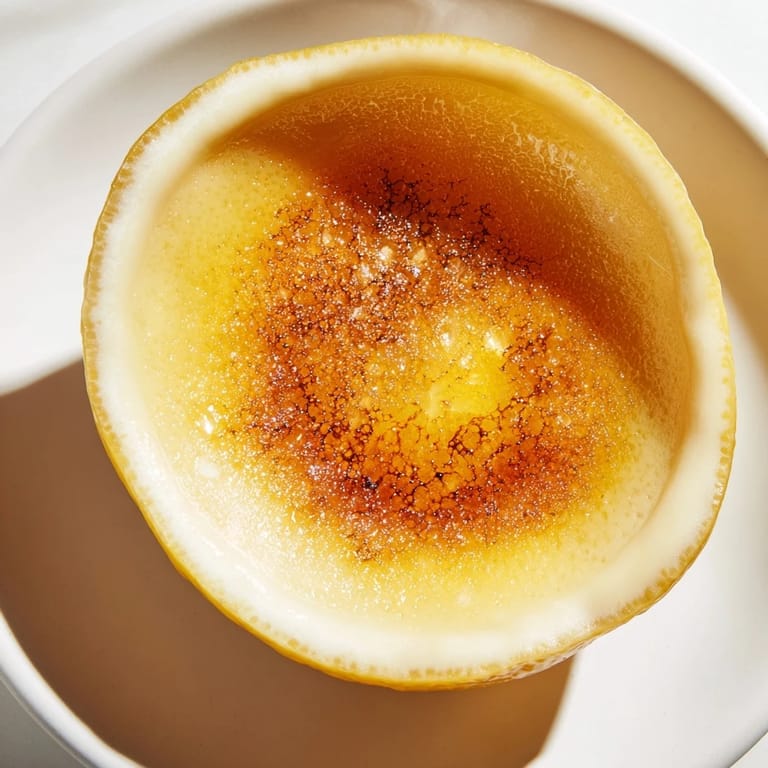
 The first time I made a posset, I was convinced something had gone terribly wrong. The cream split into gorgeous, silky pools, and I stood there waiting for it to curdle completely—but it didn't. Instead, it set into something almost magical, something that felt impossible to have created with just a handful of ingredients and a bit of heat. Serving it in actual lemon shells felt like the obvious next step, a moment where practicality became pure theater. Now, whenever I make this lemon brûlée version, I'm still amazed by how something so elegant can come together so simply.
I remember bringing these to a dinner party and watching my friend's face light up when she realized the lemon was both the dish and the dish itself. She picked up a shell, looked at it like it was a tiny edible work of art, and the whole table went quiet for a moment before everyone started asking for the recipe. That's when I knew this wasn't just a dessert—it was a conversation starter.
Ingredients
- Double cream (500 ml): This is the foundation of your posset, and using proper heavy cream (not whipping cream) makes all the difference in achieving that silky, luxurious texture.
- Caster sugar (140 g for the base, 6–8 tsp for topping): Fine caster sugar dissolves quickly and evenly, which is why it matters—granulated sugar leaves a gritty texture that betrays the elegance of the dish.
- Lemon zest (from 2 lemons): Zest before you juice; the oils in the zest are where the real flavor intensity lives, so don't skip this step even if you're tempted to rush.
- Freshly squeezed lemon juice (90 ml from 2–3 lemons): Bottled juice tastes flat by comparison; fresh juice is what makes the filling taste alive and bright.
- Large lemons (6 for shells): Pick lemons that feel substantial and have thick skin—thin-skinned varieties are harder to hollow out cleanly.
Tired of Takeout? 🥡
Get 10 meals you can make faster than delivery arrives. Seriously.
One email. No spam. Unsubscribe anytime.
Instructions
- Hollow out the lemon shells with care:
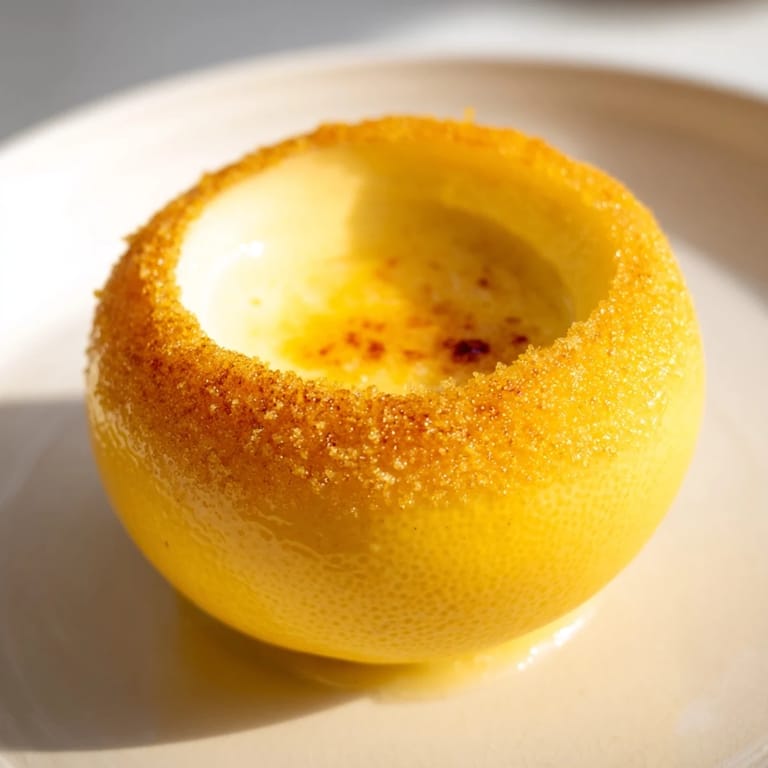
- Halve your lemons lengthwise and scoop out the flesh gently, using a small spoon or melon baller to keep the shells intact. Trim a tiny slice off the bottom so they sit flat and upright—this keeps the posset from sliding around on the plate later.
- Heat the cream, sugar, and zest together:
- Combine them in a saucepan and bring to a gentle boil, stirring until the sugar dissolves completely. You'll smell the lemon oils opening up; let it simmer for exactly three minutes, then pull it off the heat before it boils over.
- Stir in the lemon juice and let it transform:
- Watch as the juice hits the hot cream and the mixture thickens subtly—this is the magic moment that makes a posset a posset. Cool it for ten minutes, then strain out the zest to get a smooth, refined texture.
- Fill the shells while the mixture is warm:
- Pour carefully into each hollowed lemon half, filling close to the rim. The warmth helps it settle into every curve of the shell.
- Chill for at least three hours:
- The posset needs time to set into that perfect, spoonable consistency—this is not a step to rush or the texture will disappoint.
- Torch the sugar just before serving:
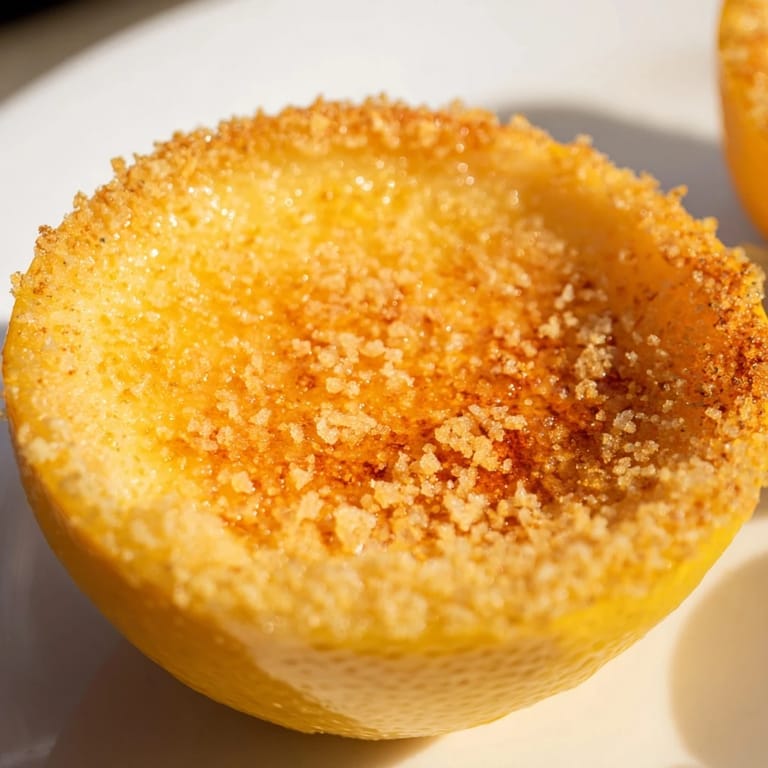
- Sprinkle a teaspoon of caster sugar over each posset and use a kitchen blowtorch to caramelize it until it's golden and crackling. Let it harden for a couple of minutes before handing them over.
 Pin It
 The moment that made me fall in love with this recipe happened on a warm evening when I realized the dessert itself felt like summer in a lemon shell. It wasn't just the bright flavor or the dramatic brûlée top—it was that sense of effortlessness disguised as sophistication, something that tasted like a celebration but felt like an everyday comfort.
Why This Works As a Finish
A posset is one of those old British desserts that somehow feels modern and minimalist, even though people have been making versions of it for centuries. The cream and acid do all the work for you; there's no gelatin, no eggs, no complicated machinery required. All you're really doing is letting physics and chemistry handle the heavy lifting while you focus on presentation.
Making It Feel Special
Serving in actual lemon shells is the kind of detail that makes people think you've spent hours fussing, when really it took an extra five minutes of thoughtful preparation. It's a reminder that sometimes the most memorable dishes are the ones that feel a bit like a gift, like someone cared enough to notice the small touches.
Timing and Make-Ahead Magic
This is the ideal dinner-party dessert because you can make the filling a full day ahead and chill it overnight. The only thing you do at the last moment is the brûlée top, which takes barely two minutes per serving and fills your kitchen with that irresistible smell of caramelizing sugar.
- Prepare the shells and filling a day in advance; they'll actually taste slightly better as the flavors meld.
- If you're nervous about the torch, practice on a spare spoonful of sugar first to get a feel for the timing.
- Serve these with crisp shortbread or almond biscuits on the side to give people something to break through the cream with.
 Pin It
 This dessert is proof that the most impressive-looking dishes are often the simplest ones—just good ingredients treated with a little respect and a moment of fire at the end. Make it, watch people's faces light up, and enjoy the fact that you've created something that feels impossibly luxurious.
Recipe FAQ
- → What is the best way to caramelize the sugar topping?
Use a kitchen blowtorch to evenly melt and caramelize the sugar until crisp. Alternatively, a hot grill or broiler can be used, but watch closely to prevent burning.
- → How do I prepare the lemon shells without breaking them?
Carefully halve large lemons lengthwise, gently scoop out the pulp while keeping shells intact, and trim a thin slice off the bottom so they stand upright.
- → Can I infuse additional flavors into the cream base?
Yes, herbs like thyme or basil can be added during simmering to infuse flavor but should be removed before adding lemon juice for a clean taste.
- → How long should the posset chill for optimal texture?
Chill in the refrigerator for at least 3 hours to allow the cream to set firmly and develop a smooth, creamy texture.
- → Is it necessary to strain the mixture before filling the shells?
Straining removes lemon zest and any solids, ensuring a silky smooth cream that enhances the dessert’s texture.
- → What are suitable accompaniments for serving?
Serve alongside crisp shortbread or almond biscuits to complement the creamy, zesty dessert with a crunchy contrast.