 Pin It
 My buddy texted me an hour before kickoff asking if I could bring something to munch on, and I had this moment of pure kitchen clarity—forget complicated appetizers, just build a board so good that people forget about the game for the first five minutes. That's when I realized snack boards aren't really about following rules; they're about creating little flavor conversations between soft and crunchy, tangy and creamy, all on one beautiful canvas.
I'll never forget watching my sister's husband—a guy who claims he doesn't like vegetables—load up a pretzel rod with ranch, then sneak back three times for more carrots because nobody was looking. That's the magic of a snack board: the textures and flavors work so well together that people eat better without even thinking about it, and somehow everyone leaves happier than when they arrived.
Ingredients
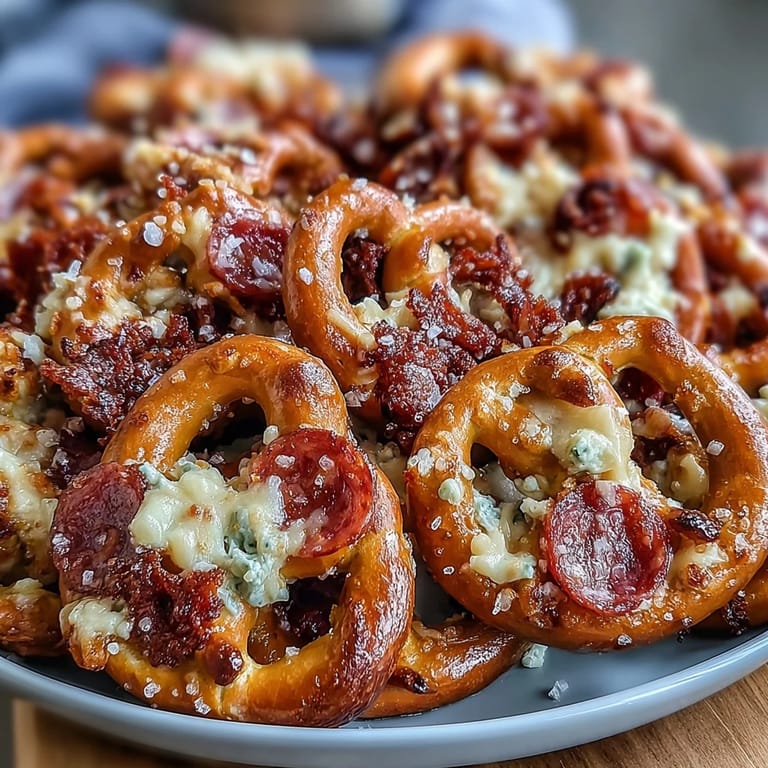
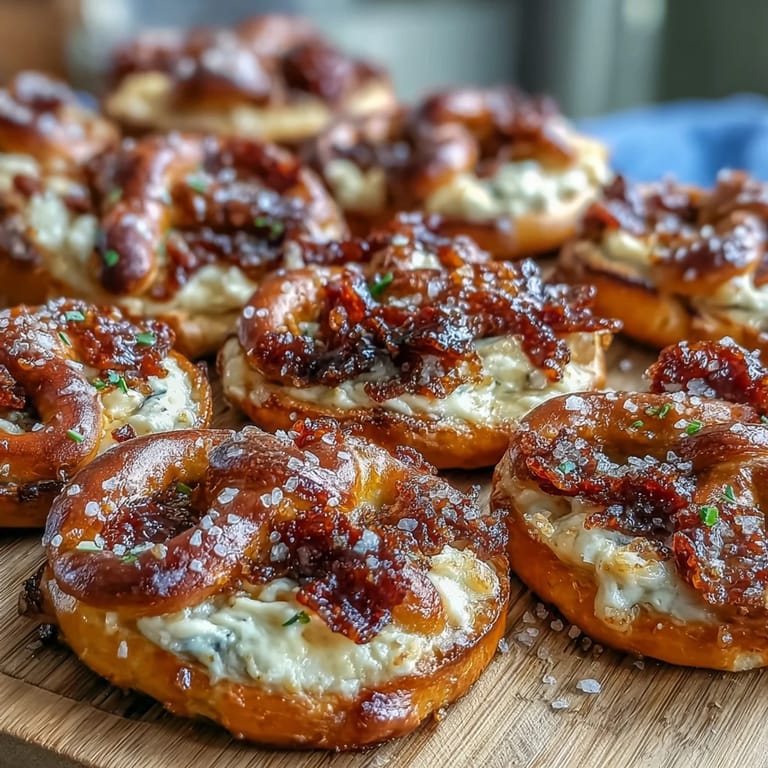
- Soft pretzel bites: These are your crowd-pleasers and your dipping vessels—buy them fresh from a bakery if possible, and if you're making them yourself, know that slightly warm is infinitely better than room temperature.
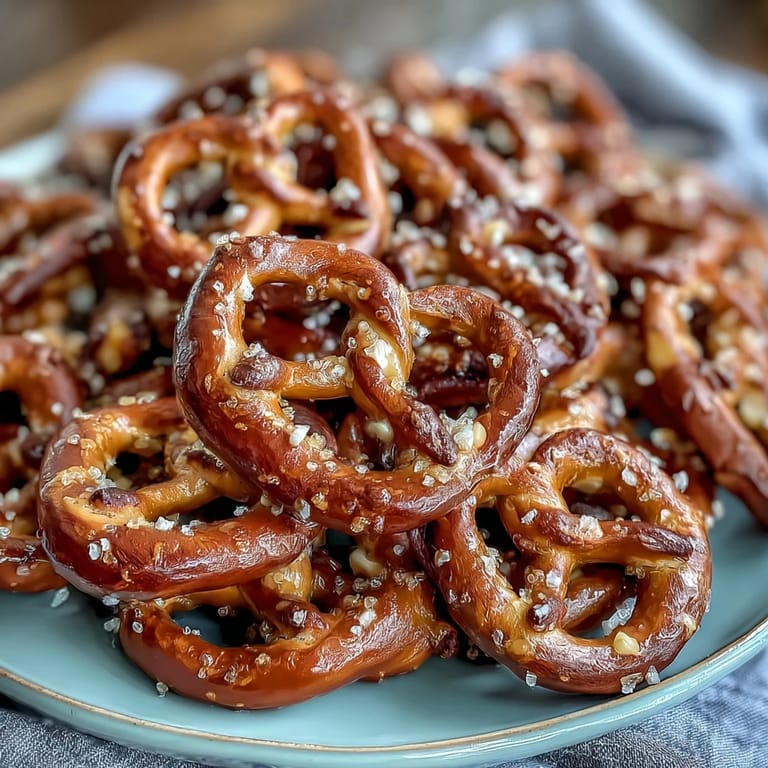
- Hard pretzel rods: The sturdy backbone of the board, they hold up to aggressive dipping and add that satisfying crunch that keeps people coming back.
- Mini pretzel twists: These fill visual gaps and offer a different texture that breaks up the monotony of straight rods.
- Beer cheese dip: This is the MVP—tangy, rich, and it makes soft pretzels into something people will dream about later.
- Honey mustard dip: The sweet-savory hero that makes hard pretzels shine and appeals to people who usually skip mustard altogether.
- Classic yellow mustard: Sometimes simplicity wins, and having it available means someone gets exactly what they want without compromise.
- Ranch dressing: The reliable friend who pairs with everything and makes vegetables disappear faster than you'd expect.
- Sharp cheddar cheese, cubed: The sharpness cuts through rich dips and makes each bite feel intentional rather than bland.
- Pepper jack cheese, cubed: The little heat surprise that makes people pause and smile, especially alongside cool ranch.
- Sliced salami: These add protein and salt that makes the whole board feel more substantial and less like just snacking.
- Baby carrots: Their natural sweetness and bright orange create visual contrast while adding texture without being heavy.
- Celery sticks: Crisp, clean, and slightly bitter—they refresh your palate between rich dips and keep things interesting.
- Cherry tomatoes: Their burst of acidity and fresh flavor prevent the board from feeling too heavy or salty.
- Pickles, sliced: These are the secret weapon—their sharpness cuts through creamy dips and adds complexity most people don't expect.
- Salted peanuts in shells: The crunch and salt are essential, and leaving them in shells makes them feel more interactive and fun.
- Popcorn: A surprising texture that adds levity and makes the board feel like actual game day entertainment.
- Green olives: Briny, bold, and they appeal to the sophisticated snacker who appreciates savory depth.
Tired of Takeout? 🥡
Get 10 meals you can make faster than delivery arrives. Seriously.
One email. No spam. Unsubscribe anytime.
Instructions
- Map your board foundation:
- Spread your pretzels across the board like you're creating different neighborhoods, leaving space between them so everything feels intentional rather than cramped. This takes maybe two minutes and makes the entire assembly feel organized instead of chaotic.
- Position your dips strategically:
- Place small bowls of each dip so they're equidistant from different pretzel types—beer cheese near the soft ones, honey mustard near the hard ones. Think of them as anchor points that help guide people's hands toward natural flavor combinations.
- Create cheese and meat clusters:
- Pile cubed cheeses and salami near the pretzels in separate little mountains, not scattered randomly. People instinctively understand these are meant to go together, so visual proximity matters more than you'd think.
- Fill with fresh elements:
- Slide carrots, celery, tomatoes, and pickles into the gaps like you're filling in a mosaic, alternating colors so one area isn't too orange or green. This is where your board goes from looking like a snack pile to looking like you actually planned something beautiful.
- Scatter your extras:
- Sprinkle peanuts, popcorn, and olives in small clusters rather than spreading them thin, so people see them and understand they're there to grab. The clusters make the board feel abundant without being overwhelming.
- Serve and encourage mixing:
- Put this in front of people and actually tell them to mix and match—soft pretzel with beer cheese, hard pretzel with honey mustard, celery with ranch. Permission to break the rules and try combinations is somehow the thing that makes everyone enjoy the board even more.
 Pin It
 There was this moment during the second inning when someone's kid pointed at the board and said it looked like a rainbow, and suddenly this was no longer just snacks—it was the thing that made the day feel special. That's when I understood that snack boards aren't really about feeding people efficiently; they're about creating an experience where everyone feels like they're part of something thoughtful, even if it took you less time than ordering delivery.
The Secret to Board Assembly
The biggest mistake I made the first time was treating a snack board like a puzzle to solve, when it's actually more like painting a picture where nothing is wrong because there's no right answer. You're not trying to fit a specific number of items into a space; you're trying to create visual rhythm and make sure there's enough variety that someone could spend twenty minutes exploring flavor combinations if they wanted to. The board that works best is the one where you can move things around ten times and it still looks intentional because you're thinking about color, texture, and flavor balance rather than just filling space.
Pairing Combinations That Actually Matter
After making these boards for three different game days, I started noticing which combinations people returned to again and again—soft pretzel with beer cheese and salami, hard pretzel rod dipped in honey mustard with a pepper jack cube chaser, or the unexpected combo of celery with honey mustard that makes people stop and reconsider what they thought they liked. Building a snack board is partially about ingredients and mostly about understanding that texture contrast makes flavor come alive; the crunch of celery next to creamy ranch, the salt of peanuts next to tangy pickles, the sweetness of honey mustard against sharp cheddar. When you arrange these thoughtfully, you're not just serving snacks, you're curating moments of discovery for the people eating.
Making This Board Your Own
The foundation of pretzels and dips is solid, but this is where you get to inject your personality—I've done versions with sliced apples for sweetness, added deviled ham for richness, swapped in Korean snacks when I wanted something unexpected, and once threw on candied pecans because I had them and honestly they shouldn't have worked but somehow did. The rules here are more like suggestions from someone who's tried it a few ways; your board gets better when you add what you love and remove what you don't. Here's the thing though—don't overthink it, because a board that looks slightly messy because you were excited about adding things is infinitely better than one that looks precious and untouched.
- Keep your board in the fridge until service time if it's sitting longer than 15 minutes so everything stays crisp and cold.
- If you're making beer cheese dip at home, warm it gently before serving because cold cheese dip loses its magic.
- Always have extra dips available even though the board looks full, because dips disappear faster than you'd ever predict.
 Pin It
 The best part about a game day snack board isn't the individual components—it's watching people you care about get excited about simple, good food and feeling like you created the space where that could happen. You'll find yourself making these again and again because they're so easy and so effective that they become your secret weapon for any gathering.
Recipe FAQ
- → What types of pretzels work best for this board?
Soft pretzel bites, hard pretzel rods, and mini pretzel twists each offer unique textures that complement the variety of dips and cheeses.
- → Can I substitute any of the dips for dietary preferences?
Yes, plant-based or dairy-free versions of the cheese dips can be used to accommodate vegetarian or vegan diets.
- → How should I arrange the items for best presentation?
Place pretzels in focal spots across the board, surround them with dips in small bowls, and fill gaps with cheeses, meats, and fresh veggies for color and variety.
- → What are good accompaniments to add extra flavor and crunch?
Adding salted peanuts, popcorn, and green olives provides additional textures and complementary flavors to the board.
- → Are there any allergen considerations to keep in mind?
This board contains gluten, dairy, peanuts (if included), and mustard, so check ingredient labels carefully for allergen information.