 Pin It
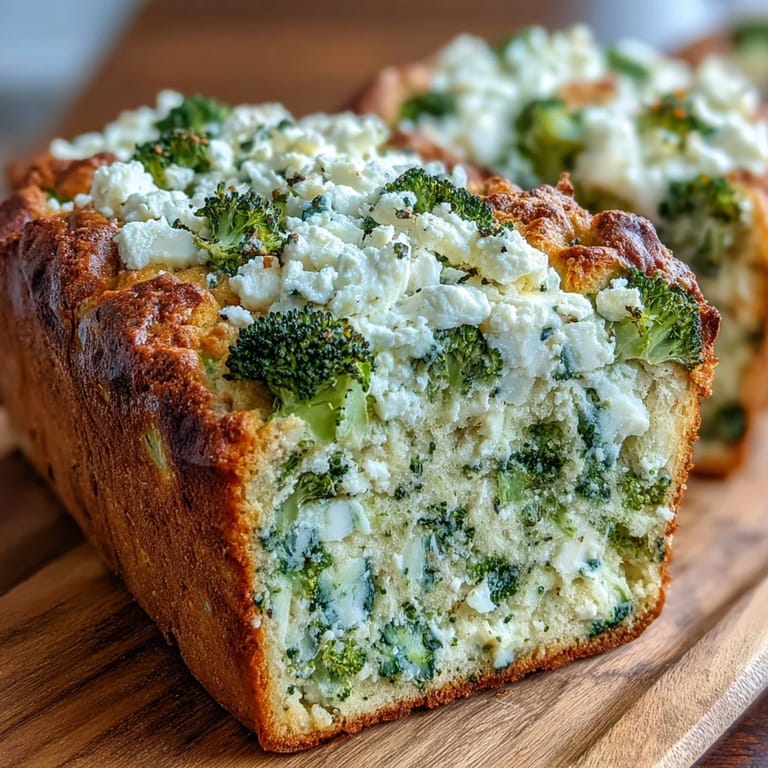
 There's something about the smell of broccoli and feta baking together that instantly transforms a quiet afternoon into something special. I stumbled onto this loaf by accident, really—leftover broccoli from roasting and a wedge of feta that needed using before it went off. What started as a way to avoid waste turned into something I now make deliberately, often on Sundays when I want the house to smell like comfort and the week ahead to feel manageable. The buttermilk keeps it tender, the feta makes it unexpectedly sophisticated, and somehow it tastes even better the next day, toasted with a slick of butter.
I made this for a coworker who mentioned offhandedly that she'd been eating sad desk lunches, and watching her face when she tasted it—that moment of genuine surprise—made the whole thing worth it. She asked for the recipe immediately, then came back days later saying her partner had actually requested it again. Those small wins in the kitchen, when something you've made genuinely improves someone's day, that's what keeps me cooking.
Ingredients
- Broccoli florets, finely chopped: Fresh or frozen works, but steam it just until tender and pat it completely dry so moisture doesn't throw off your batter ratio.
- Feta cheese, crumbled: Don't buy the pre-crumbled stuff if you can help it; a block of good feta gives you better texture and flavor that actually registers.
- Buttermilk: This is the secret to the tender crumb; if you don't have it, whisk regular milk with a tablespoon of lemon juice and let it sit for five minutes.
- Unsalted butter, melted: Cooling it slightly before mixing prevents scrambling the eggs and keeps the loaf from becoming greasy.
- All-purpose flour: Measure by spooning into the cup and leveling, not by scooping directly from the bag, which compacts it and makes the loaf dense.
- Baking powder and baking soda: These need to be relatively fresh (check your pantry dates) or your loaf won't rise properly and will be heavy.
- Salt and black pepper: Don't skip the pepper; it wakes up the whole thing and balances the richness of the feta.
- Large eggs: Room temperature eggs incorporate more smoothly into the wet mixture.
Tired of Takeout? 🥡
Get 10 meals you can make faster than delivery arrives. Seriously.
One email. No spam. Unsubscribe anytime.
Instructions
- Set your oven to warm:
- Preheat to 350°F (180°C) and grease your 9x5-inch loaf pan thoroughly, then line it with parchment paper that hangs over the sides—this makes turning it out less stressful and keeps edges from over-browning.
- Prepare the broccoli:
- Steam or blanch your florets for just 2 to 3 minutes until the color brightens but they still have structure, then drain, cool, and pat them dry with paper towels so you don't introduce extra moisture. This step matters more than you'd think—soggy broccoli will make your crumb gummy.
- Build the dry base:
- Whisk together the flour, baking powder, baking soda, salt, and pepper in a large bowl; this distributes the leavening evenly so every slice rises.
- Combine the wet ingredients:
- Beat the eggs, then stir in the buttermilk and cooled melted butter; mixing them together first prevents lumps when you fold everything together.
- Bring it together gently:
- Add the wet to the dry and stir just until combined—overmixing develops gluten and makes the loaf tough and rubbery, which defeats the whole purpose. A few streaks of flour are okay.
- Fold in the star ingredients:
- Add the broccoli and feta with a rubber spatula, folding gently to keep the structure intact rather than stirring aggressively.
- Into the pan:
- Pour the batter into your prepared pan and smooth the top with the back of a spoon so it bakes evenly.
- Bake until golden:
- Bake for 45 to 50 minutes until a toothpick inserted into the center comes out clean or with just a few moist crumbs clinging to it. The top should be golden brown and the loaf should smell absolutely incredible.
- Cool properly:
- Let it sit in the pan for 10 minutes (this helps it set), then turn it out onto a wire rack to cool completely before slicing so the interior stays moist.
 Pin It
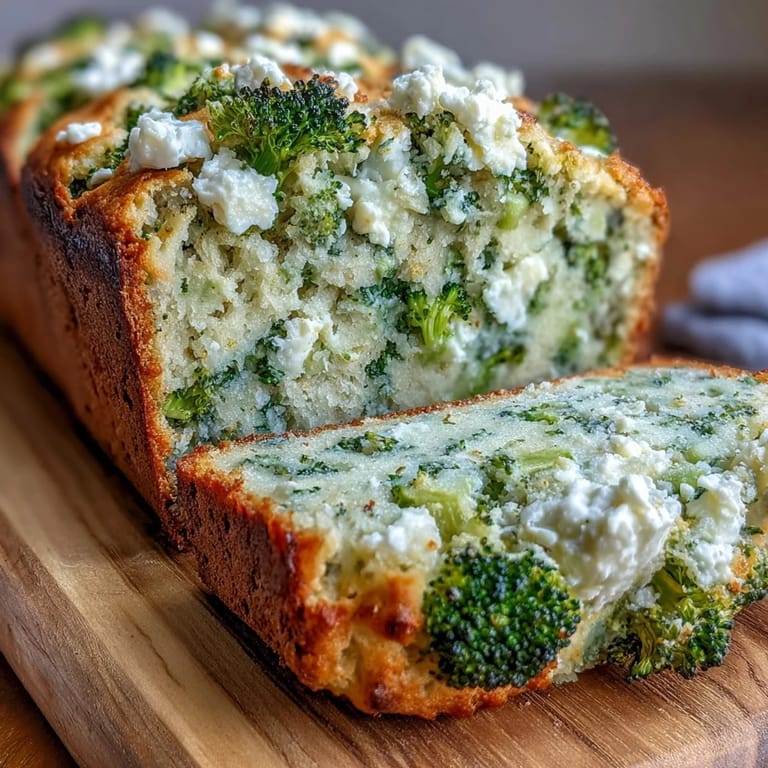
 The moment I realized this loaf had become something special was when my partner started requesting it instead of asking what I was making. There's a quiet joy in that kind of reliability, in knowing you've made something someone actually wants to eat again.
Storage and Keeping
Once it's fully cooled, wrap it tightly in plastic wrap or store it in an airtight container at room temperature for up to three days, or refrigerate it for up to five days. The texture actually improves slightly the next day as flavors settle, making it genuinely better when toasted. If you want to freeze it, slice it first, wrap individual pieces in plastic wrap, and freeze for up to two months—then toast slices directly from frozen.
Variations That Work
Fresh herbs shift the whole personality of this loaf—try stirring in 2 tablespoons of chopped dill, chives, or parsley at the end, which adds brightness without making it feel overdone. Some mornings I add a pinch of red pepper flakes or a handful of sun-dried tomatoes, which leans it slightly more savory and interesting. Substituting half the all-purpose flour with whole wheat adds nuttiness and fiber if you want something denser and more substantial, though you may need an extra tablespoon or two of buttermilk to compensate.
How to Serve It Best
This loaf knows how to behave in multiple situations, which is part of why it's become a staple. Slice it warm and serve alongside a simple vegetable soup or a grain-based salad, or let it cool completely and toast slices for breakfast with scrambled eggs and a handful of greens. Some nights I just butter a slice, add a little fleur de sel, and eat it standing at the kitchen counter without ceremony, which feels like the truest way to enjoy it.
- Toast slices straight from the fridge or freezer for the best texture and to revive the cheese flavor.
- A smear of cream cheese or labneh on a toasted slice turns breakfast into something almost decadent.
- Leftover crumbled pieces make a wonderful salad topper or can be stirred into scrambled eggs.
 Pin It
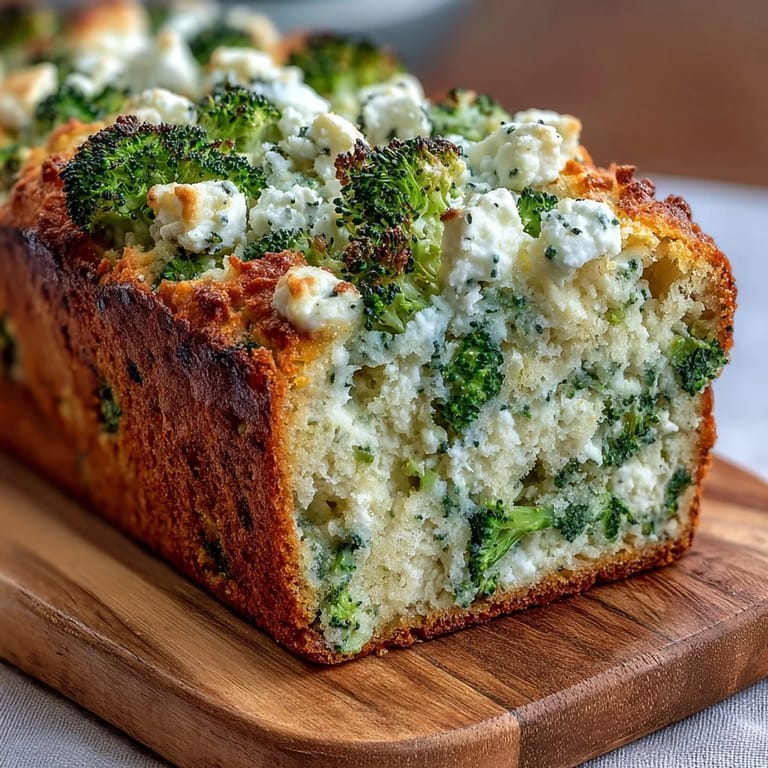
 This loaf has quietly become the thing I make when I want to feel grounded and capable, when the week needs anchoring with something real. It's simple enough to feel manageable but impressive enough to care about getting right.
Recipe FAQ
- → Can I use frozen broccoli instead of fresh?
Yes, frozen broccoli works well in this loaf. Thaw and drain thoroughly before chopping and adding to the batter to prevent excess moisture from affecting the texture.
- → What can I substitute for buttermilk?
Mix 1 cup of regular milk with 1 tablespoon of lemon juice or white vinegar and let it sit for 5-10 minutes until thickened. This creates an effective buttermilk alternative.
- → How should I store the loaf?
Wrap the cooled loaf tightly in plastic wrap or store in an airtight container at room temperature for up to 3 days. For longer storage, slice and freeze individually for up to 3 months.
- → Can I make this loaf dairy-free?
Substitute feta with a vegan cheese alternative, use plant-based buttermilk (dairy milk mixed with vinegar), and replace butter with melted coconut oil or olive oil.
- → Why do I need to blanch the broccoli first?
Blanching ensures the broccoli becomes tender during the loaf's baking time. Without this step, the broccoli might remain slightly crunchy or undercooked in the finished bread.