 Pin It
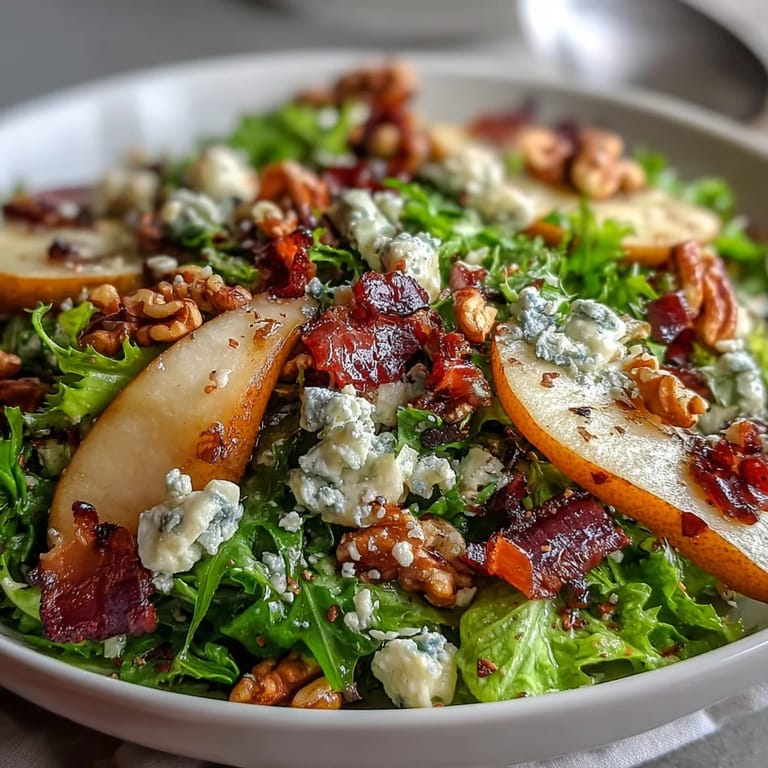
 There's something about the contrast of bitter and sweet that stopped me in my tracks the first time I tasted a proper frisée salad at a small bistro in Lyon. The crispy prosciutto shattered between my teeth while the pear juice ran down my chin, and I realized I'd been eating sad salads my whole life. When I got home, I couldn't stop thinking about recreating that moment in my own kitchen, so I started experimenting with the ratios and the vinaigrette until I nailed it. Now this is the salad I make when I want to feel like I'm sitting at a café table instead of my dining room, even though I'm absolutely in my kitchen in pajamas.
I made this for my neighbor Susan last spring when she brought over homemade bread, and she sat on my porch and ate two enormous bowls while we talked about her garden. She kept saying, 'This tastes like somewhere expensive,' and I didn't tell her I'd made the vinaigrette in the same bowl I'd used for pasta sauce twenty minutes earlier. That's when I learned that the simplest things, made with actual attention, somehow taste like they cost money.
Ingredients
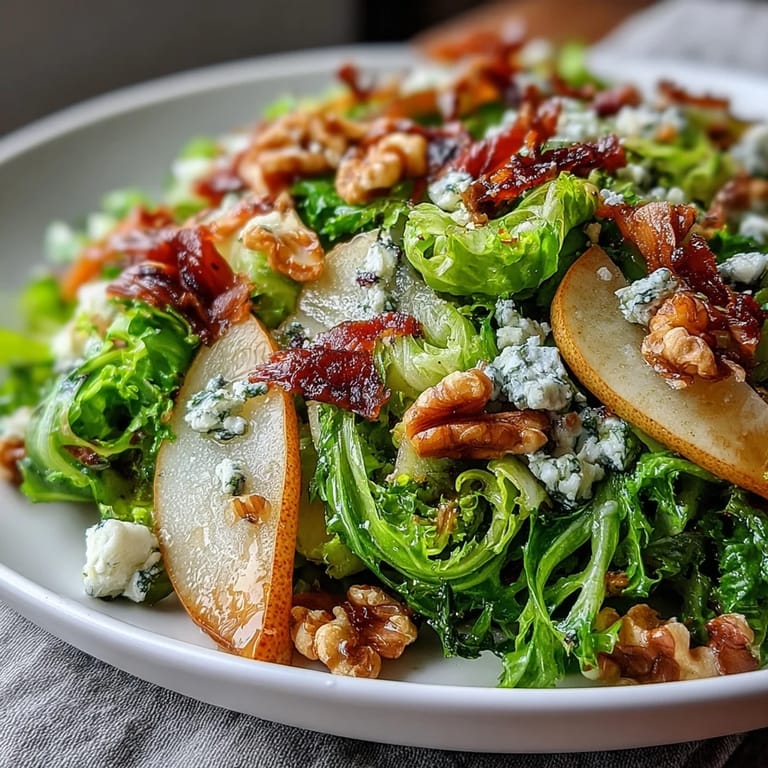
- Frisée lettuce: This is the bitter green that doesn't get soggy, and it's crucial—if you use regular iceberg, the whole thing falls flat and tastes like cardboard.
- Pears: Choose ones that are ripe but still firm, because mushy pears will slide around and disappear into the bowl.
- Blue cheese: Crumble it by hand rather than chopping it; the irregular pieces melt better and distribute more evenly.
- Prosciutto: Buy it sliced thin from the deli counter, not the pre-packaged stuff that tastes like salt and regret.
- Toasted walnuts or pecans: Toast them yourself if you can; the smell alone makes you feel like a real cook, and they taste sharper and warmer than store-bought.
- Extra-virgin olive oil: Don't use the cheap stuff here—this is one of the places where quality actually matters because there's nowhere to hide.
- White wine vinegar or champagne vinegar: The vinegar is what makes this sing, so taste as you go and adjust if your mouth feels puckered.
- Dijon mustard: This emulsifies the vinaigrette and keeps it from separating, plus it adds a subtle sharpness that makes your tongue wake up.
- Honey: A tiny bit balances the vinegar's punch and keeps the whole thing from tasting too sour or bitter.
Tired of Takeout? 🥡
Get 10 meals you can make faster than delivery arrives. Seriously.
One email. No spam. Unsubscribe anytime.
Instructions
- Get the oven ready and crisp that prosciutto:
- Set your oven to 200°C (400°F) and line a baking sheet with parchment paper. Lay the prosciutto slices flat without overlapping, which is key—if they touch, they'll steam instead of crisp. Bake for 8 to 10 minutes until they're shattered-glass thin and golden, then let them cool on the sheet for a minute before breaking them into irregular shards.
- Build your vinaigrette with intention:
- Whisk together the olive oil, vinegar, Dijon mustard, honey, salt, and pepper in a small bowl, tasting as you go. This is where you have permission to adjust—if it tastes too sharp, add a touch more honey; if it feels flat, another small squeeze of mustard or vinegar might be exactly what it needs.
- Assemble the salad base without the prosciutto yet:
- Tear the frisée into bite-sized pieces and place it in a large bowl with your sliced pears, crumbled blue cheese, and toasted walnuts. Keep everything cold until you're ready to dress it, because warm lettuce is a tragedy.
- Dress and toss gently:
- Pour the vinaigrette over the salad and toss with your hands or two forks, moving slowly and deliberately so nothing bruises. The goal is to coat everything without crushing the pears or mashing the blue cheese into paste.
- Finish with the crispy prosciutto:
- Top the salad with those prosciutto shards right before serving, scattering them across the top so they stay crunchy and everyone gets some in every bite.
 Pin It
 My daughter came home from school one afternoon and asked why the house smelled like a fancy restaurant, and I realized it was just the combination of toasting nuts and baking prosciutto. She ate three bites and declared it 'fancy people food,' which is the highest compliment a ten-year-old can give, and now she asks for it on her birthday instead of cake.
The Magic of Blue Cheese in a Salad
Most people think blue cheese belongs on a burger or crumbled into a steak sauce, but it's actually one of the most elegant additions to a delicate salad because it doesn't need any help tasting good. The saltiness plays against the sweetness of the pear, and the creamy texture contrasts with the crispy greens in a way that makes every forkful feel intentional and balanced. If you've been avoiding blue cheese because you think it's too strong, this is your chance to taste it in a context where it actually shines instead of overwhelming.
Why the Vinaigrette Matters More Than You Think
I spent years making mediocre vinaigrettes by just throwing oil and vinegar together and wondering why restaurants' salads tasted better than mine. Then someone told me that the mustard and honey aren't just flavoring—they're emulsifiers that hold everything together and create a dressing that actually clings to the lettuce instead of pooling at the bottom of the bowl. The honey is especially important here because it rounds out the sharp edges and makes the vinegar taste like part of the solution instead of an attack.
Serving Suggestions and Timing
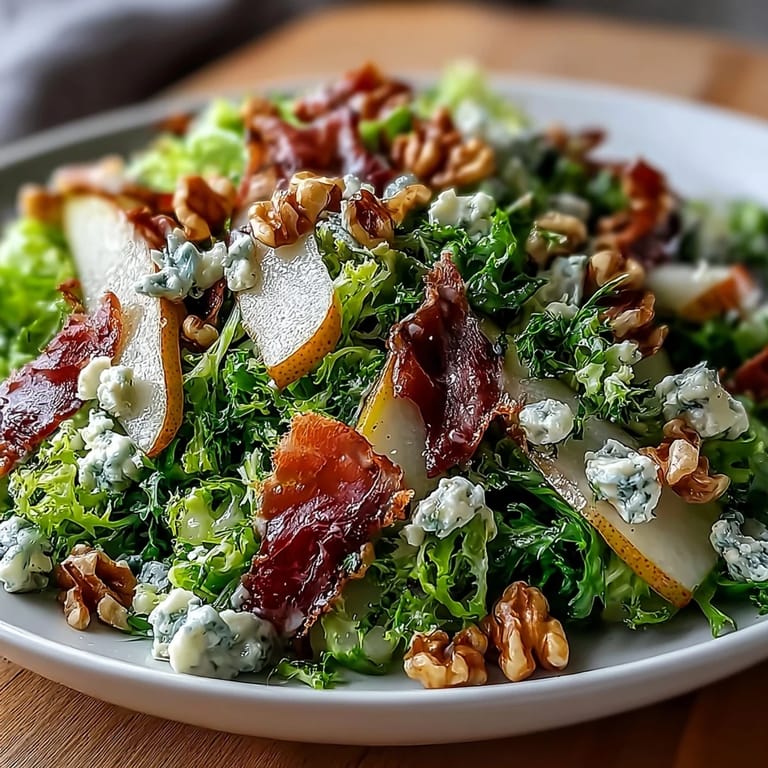
This salad is best served as a starter because it's light and elegant and it prepares your palate for whatever comes next, though honestly I've eaten it as a full lunch when I was too lazy to cook protein. Make sure everything is cold except the prosciutto, which should still carry a tiny bit of warmth from the oven—that contrast of warm and cool is part of what makes this feel special. Serve it on individual plates if you're trying to impress someone, or just dump it in a big bowl and let people help themselves if you're trying to impress yourself.
- Pair with a chilled Sauvignon Blanc or a light Pinot Grigio if you're feeling the wine situation.
- Make the vinaigrette up to two hours ahead, but assemble everything else just before serving.
- If you're feeding vegetarians, double the walnuts and add a handful of dried cranberries for sweetness and chewiness.
 Pin It
 Every time I make this salad, I'm reminded that sometimes the most elegant meals are built from just a handful of excellent ingredients treated with respect. It's the kind of recipe that makes you feel like you know what you're doing in the kitchen, even if you're just standing there tossing lettuce.
Recipe FAQ
- → Can I make this salad ahead of time?
Prepare components separately in advance: crisp the prosciutto and store in an airtight container, whisk the vinaigrette and refrigerate, and slice pears just before serving. Toss everything together right before eating to maintain crisp textures and prevent wilting.
- → What can I substitute for frisée lettuce?
Arugula offers peppery bite, baby spinach provides mild sweetness, or mixed young greens work well. Each brings different flavor notes but maintains the salad's textural variety and elegant presentation.
- → How do I get prosciutto perfectly crispy?
Bake thin slices at 200°C (400°F) on parchment paper for 8–10 minutes until deeply colored and brittle. Let cool completely—they'll crisp further as they rest. Avoid overlapping slices for even crisping.
- → Which blue cheese works best?
creamy Roquefort delivers sharp tang, Gorgonzola Dolce offers milder sweetness, while Stilton provides robust intensity. Choose based on your preference for boldness versus creaminess in the final balance.
- → Can I make this vegetarian?
Simply omit the prosciutto and increase toasted walnuts to 45 g (1.5 oz), or add shaved aged Parmesan for salty umami. Consider adding avocado slices for creaminess to replace the pork's richness.
- → What wine pairs well?
crisp Sauvignon Blanc cuts through blue cheese richness, while a dry Chenin Blanc complements pear sweetness. For red wine lovers, a light Pinot Noir works without overpowering delicate flavors.