 Pin It
 There's something about the way lemongrass fills your kitchen that makes you feel like you're cooking somewhere else entirely. My neighbor brought over a bunch one afternoon, still damp from the farmer's market, and I had no real plan for it except curiosity. I started playing around with what I had in the pantry—spinach, coriander, coconut milk—and what emerged was this soup that tastes nothing like what I expected but somehow exactly what I needed that day.
I made this for friends who were recovering from colds, and watching them get that first spoonful and then just sit quietly with their bowls was its own kind of magic. One of them asked if I could bottled the smell, and honestly, I think that's the best compliment a soup can get.
Ingredients
- Fresh spinach, 200 g: Washed and ready to wilt into submission; I learned the hard way that grit ruins everything, so a good rinse is non-negotiable.
- Fresh coriander (cilantro), 1 small bunch: Separate the stems from the leaves before you start; the stems cook down into the soup's backbone while fresh leaves stay bright as a last-minute kiss.
- Lemongrass, 1 stalk: Remove that papery outer layer first, then slice it thin so it releases its fragrant oils into the broth without getting stringy.
- Onion, 1 medium, chopped: Your aromatic foundation; caramelize it just until soft and golden, not brown.
- Garlic cloves, 2, minced: Don't skip the mincing step or you'll bite into harsh chunks; mince fine and add it after the onion so it doesn't burn.
- Fresh ginger, 1-inch piece, grated: The warmth that makes people ask what you put in here; grate it yourself if you can because pre-grated loses something vital.
- Green chili, 1, optional: Deseed if you want gentleness, leave the seeds if you want heat; this is where you decide how brave the soup gets.
- Coconut milk, 400 ml: Full-fat is non-negotiable here; the thin stuff won't give you that silk and richness the soup deserves.
- Vegetable stock, 500 ml: Use something you'd actually taste on its own; sad stock makes sad soup.
- Ground cumin, 1 tsp: Toasted in the pan briefly so it wakes up and doesn't taste dusty.
- Ground coriander, 1 tsp: This echoes the fresh coriander and deepens the flavor in a way that feels intentional.
- Ground turmeric, 1/2 tsp: The golden note that makes everything feel earthy and warm.
- Coconut oil, 1 tbsp: Or any neutral oil if you prefer; just use something that won't compete with the delicate spices.
- Salt and pepper, to taste: Always season at the end after blending so you don't accidentally over-salt.
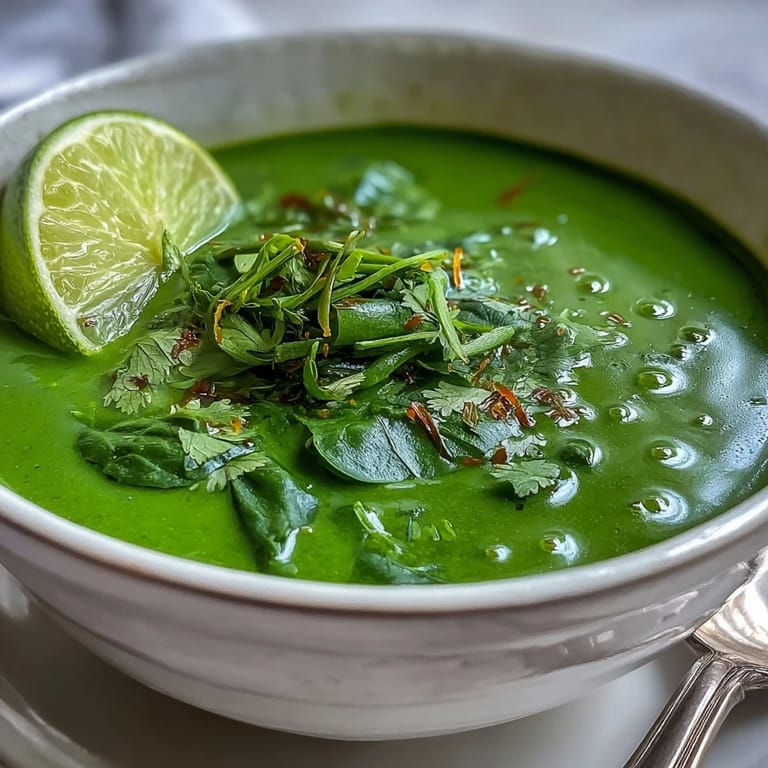
- Fresh coriander leaves and lime wedges for garnish: The final flourish that makes people stop mid-conversation.
Tired of Takeout? 🥡
Get 10 meals you can make faster than delivery arrives. Seriously.
One email. No spam. Unsubscribe anytime.
Instructions
- Warm your oil and soften the onion:
- Heat the coconut oil in your pot over medium heat and add the chopped onion, letting it get soft and translucent for about 2 to 3 minutes. You want to hear the gentle sizzle, not an aggressive sear.
- Layer in your aromatics:
- Add the minced garlic, grated ginger, and sliced lemongrass, stirring constantly for about 2 minutes so everything gets to know each other and the kitchen starts smelling like something special. The lemongrass will release its oils and you'll know you're on the right track.
- Bloom your spices:
- Stir in the cumin, ground coriander, turmeric, and green chili if you're using it, and let them cook for just 1 minute until fragrant. This is crucial—toasting them briefly transforms them from dusty powder into something alive.
- Wilt the spinach and coriander stems:
- Pile in the spinach and coriander stems and stir until the spinach collapses, which takes about 2 to 3 minutes and requires some elbow grease but it's worth it. Watch how the color deepens and everything gets tender.
- Pour in your liquids:
- Add the coconut milk and vegetable stock, stirring so everything blends together smoothly. Bring the whole thing to a gentle simmer and let it bubble quietly for 10 to 12 minutes so all the flavors get to meld.
- Finish with fresh coriander:
- Turn off the heat and stir in most of the fresh coriander leaves, reserving a small handful for garnish because that final brightness matters. Let it sit for a minute so the leaves stay as vibrant as possible.
- Blend until creamy:
- Use an immersion blender to puree the soup right in the pot, working it until everything is smooth and pourable with no stringy bits. If you're using a countertop blender, work in batches and be careful with the hot liquid.
- Season and serve:
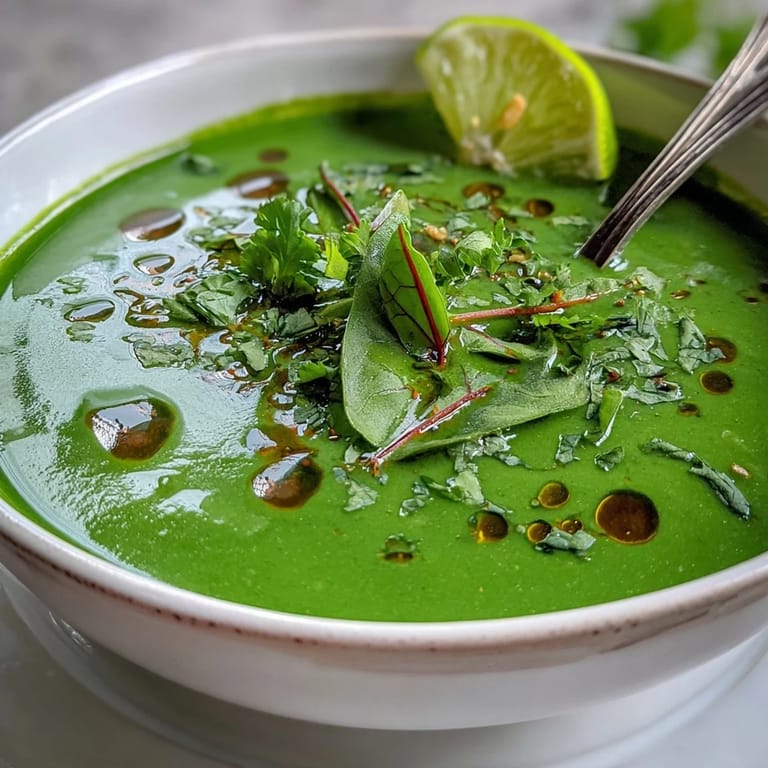
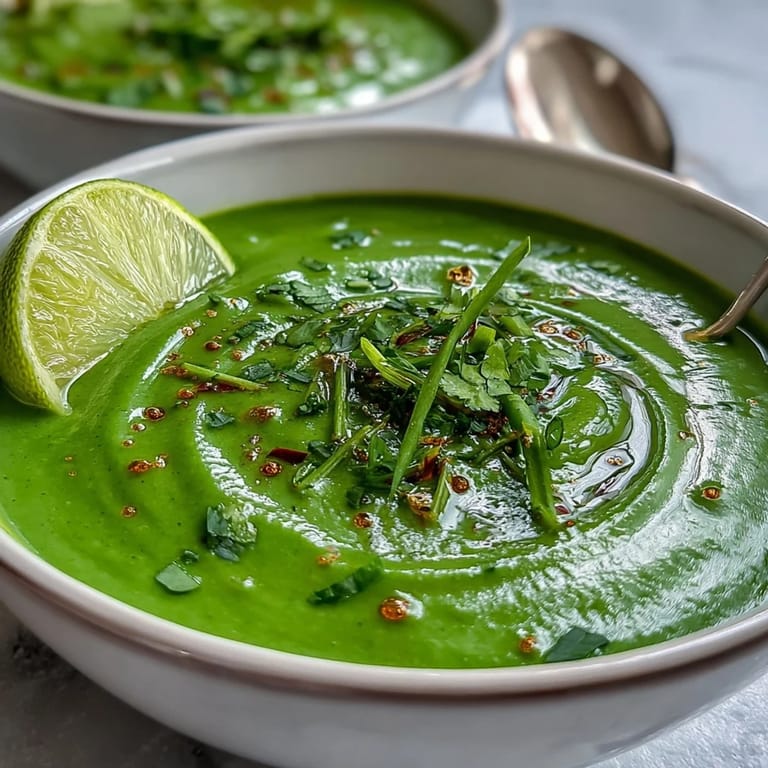
- Taste and adjust with salt and pepper until it feels right to you, then ladle it into bowls and top with fresh coriander and a wedge of lime for squeezing. The lime brightens everything and brings the whole bowl into focus.
 Pin It
 This soup changed my mind about what a weeknight meal could be—not something you rush through, but something you actually sit with. My kids asked for thirds, which never happens, and I think it's because something about the warmth and the green makes you want to keep eating slowly.
The Magic of Lemongrass
Lemongrass is one of those ingredients that seems intimidating until you realize it's just grass that smells incredible. The first time I used it fresh instead of from a jar, I understood why people go on about it; the difference is the difference between reading about music and actually hearing it. Once you slice it thin and let it cook into a coconut broth, it becomes this subtle floral note that doesn't taste like lemon or grass but somehow like comfort.
Building Flavor in Layers
This soup works because nothing rushes—you toast your spices, you let your aromatics get soft and golden, you give the broth time to simmer and marry all those flavors together. I used to make soup by throwing everything in at once and wondering why it tasted flat, but taking these small pauses transforms something ordinary into something you actually crave. Each step is there for a reason, and the soup knows it.
Serving and Pairing Thoughts
This soup is flexible enough to be a light lunch on its own or an elegant starter before something else takes the stage. The key is respecting how delicate it is—serve it hot, add the lime wedge at the last second, and let people adjust the brightness to their taste. For pairing, I've found that a crisp Riesling works beautifully if you're doing wine, but honestly so does just cold coconut water if you want to lean into the tropical feeling.
- If you want extra body, add a small diced potato with the spinach and let it soften before blending.
- You can make this ahead and reheat gently; the flavors actually deepen overnight, so don't be shy about batch cooking it.
- If anyone at your table hates cilantro, make a small batch of the garnish without the coriander leaves so they're not eating soap.
 Pin It
 This soup reminds me why I love cooking, honestly—it's just vegetables and broth and spices, but somehow it becomes something that makes people feel seen. Make it for someone you care about and watch their face when they taste it.
Recipe FAQ
- → Can I make this soup ahead of time?
Yes, this soup actually improves in flavor when made ahead. Store in the refrigerator for up to 3 days and reheat gently before serving. Add a splash of water or stock if it thickens too much.
- → Is this soup freezer-friendly?
Absolutely. Cool completely before transferring to airtight containers. Freeze for up to 3 months. Thaw overnight in the refrigerator and reheat slowly, stirring occasionally.
- → Can I substitute the coconut milk?
For similar richness, try cashew cream or almond milk blended with a bit of tahini. Heavy cream works if you don't need it to be vegan, though the flavor profile will change slightly.
- → How do I adjust the spice level?
Control the heat by adjusting the green chili quantity. For a mild version, omit entirely. For more spice, add extra chili or a pinch of cayenne. You can also serve with fresh chili slices on the side.
- → What can I serve with this soup?
Crusty bread, naan, or steamed jasmine rice are perfect accompaniments. The soup also pairs beautifully with a crisp white wine like Riesling or a simple green salad dressed with lime vinaigrette.
- → Why is my soup bitter?
Bitterness usually comes from the lemongrass. Make sure to remove the tough outer layers and use only the tender inner stalk. Also, avoid over-blending as this can release bitter compounds from the spinach stems.