 Pin It
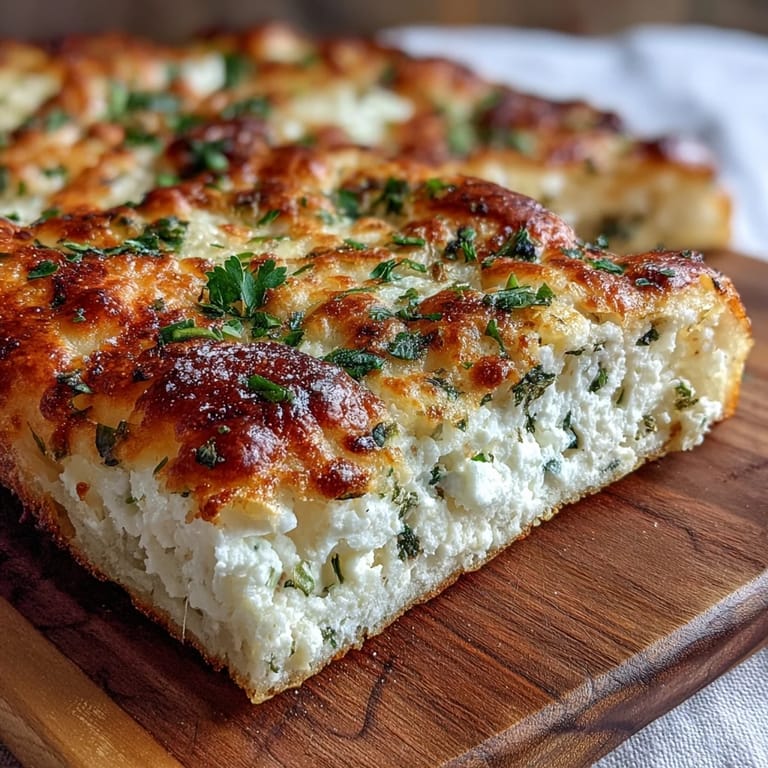
 My kitchen filled with the scent of toasted garlic one rainy Tuesday when I stumbled on this flatbread idea. I had half a tub of cottage cheese that needed using, and an empty bread bin. The dough came together so fast I nearly doubted it would work. But when those first bubbles appeared in the skillet and the edges turned golden, I knew I'd found something special.
I made a double batch for a friend's birthday picnic and watched them disappear faster than the store-bought pita. People kept asking what made them so pillowy. The secret was that slight tang from the cheese and the quick rest that let the dough relax just enough. We folded them around grilled vegetables, smeared them with hummus, and one person even tore hers into strips for dipping.
Ingredients
- All-purpose flour: The backbone of the dough, giving structure without making it tough, and a little extra for dusting keeps things from sticking.
- Baking powder: This is what creates those beautiful air pockets and keeps the flatbreads light instead of dense.
- Fine salt: Enhances every other flavor and balances the tanginess of the cottage cheese.
- Garlic powder: Optional but worth it for a subtle savory note that makes the kitchen smell like a bakery.
- Full-fat cottage cheese: Drain it well or the dough will be too wet, the curds break down and add moisture and protein.
- Large egg: Binds everything together and contributes to that tender, slightly enriched crumb.
- Olive oil: Keeps the dough pliable and adds a hint of richness, plus you need more for cooking.
- Fresh chopped herbs: Parsley or chives bring color and a fresh burst that feels homemade, but you can skip them if you're out.
- Water: Only if needed, add it slowly because dough can go from dry to sticky in seconds.
Tired of Takeout? 🥡
Get 10 meals you can make faster than delivery arrives. Seriously.
One email. No spam. Unsubscribe anytime.
Instructions
- Whisk the dry ingredients:
- Combine flour, baking powder, salt, and garlic powder in a medium bowl until evenly distributed. This ensures every bite has balanced flavor.
- Mix the wet ingredients:
- In a separate bowl, mash the drained cottage cheese with egg, olive oil, and herbs using a fork until mostly smooth. A few small curds are fine.
- Form the dough:
- Pour the wet mixture into the dry and stir gently with a spatula until a shaggy dough forms. If it feels crumbly, add water one teaspoon at a time.
- Briefly knead:
- Turn the dough onto a floured surface and fold it over itself six to eight times until it holds together. Overworking makes it tough.
- Rest the dough:
- Cover with a towel or plastic wrap and let it sit for ten minutes. This relaxes the gluten and makes rolling easier.
- Divide and roll:
- Cut the dough into four equal pieces and roll each into a ball. Flatten each ball to about a quarter inch thick, dusting with flour as you go.
- Heat the skillet:
- Warm a nonstick or cast-iron pan over medium heat and brush lightly with olive oil. Too much oil makes them greasy.
- Cook the first side:
- Place one flatbread in the skillet and cook for two to three minutes until bubbles appear and the bottom is golden. Adjust the heat if it browns too fast.
- Flip and finish:
- Turn the flatbread and cook another one to two minutes until cooked through and lightly browned. Keep the heat steady.
- Keep warm and repeat:
- Transfer to a plate and cover with a towel to keep soft. Cook the remaining flatbreads, adding a little more oil between batches if needed.
 Pin It
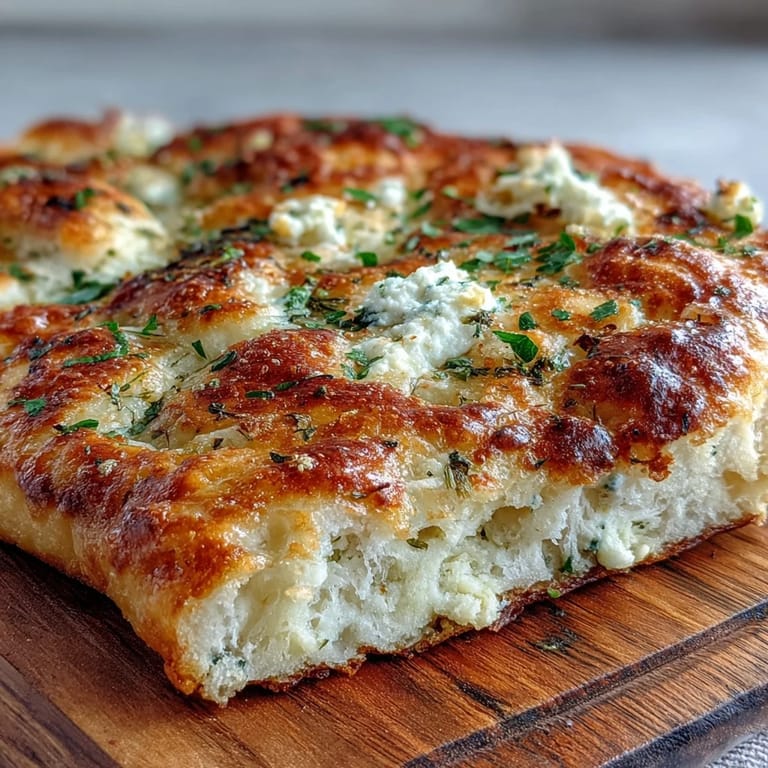
 The first time I served these to my nephew, he folded one around scrambled eggs and declared it better than a tortilla. That moment reminded me that simple food, made with a little care, beats complicated recipes every time. Now I keep cottage cheese stocked just so I can whip these up on a whim.
Making Them Your Own
Once you've made the basic version a few times, the dough becomes a canvas. I've folded in finely chopped spinach for a green-flecked flatbread that impressed dinner guests. Sun-dried tomatoes add a sweet-tart punch, and a pinch of cumin or smoked paprika can shift the whole flavor profile toward something more exotic. Just keep any add-ins small and not too wet.
Storage and Reheating
These flatbreads stay soft in an airtight container in the fridge for up to three days, which is rare for homemade bread. I've frozen them in a zip-top bag with parchment between each one, and they thaw beautifully. To reheat, a quick warm in a dry skillet brings back that just-made texture, or wrap one in a damp paper towel and microwave for twenty seconds. Either way, they soften right up and taste fresh again.
Turning Them Into Pizza
One Saturday I was craving pizza but didn't have time for yeast dough, so I rolled these a bit thinner and topped them with marinara, mozzarella, and whatever vegetables were in the crisper. Eight minutes at 425°F and they came out crispy on the edges, chewy in the center, and every bit as satisfying as takeout. Now it's my go-to for quick personal pizzas on weeknights.
- Brush the rolled dough lightly with olive oil before adding toppings to prevent sogginess.
- Keep toppings minimal so the base stays crisp and doesn't get weighed down.
- Preheat your oven fully and use a baking sheet or pizza stone for even browning.
 Pin It
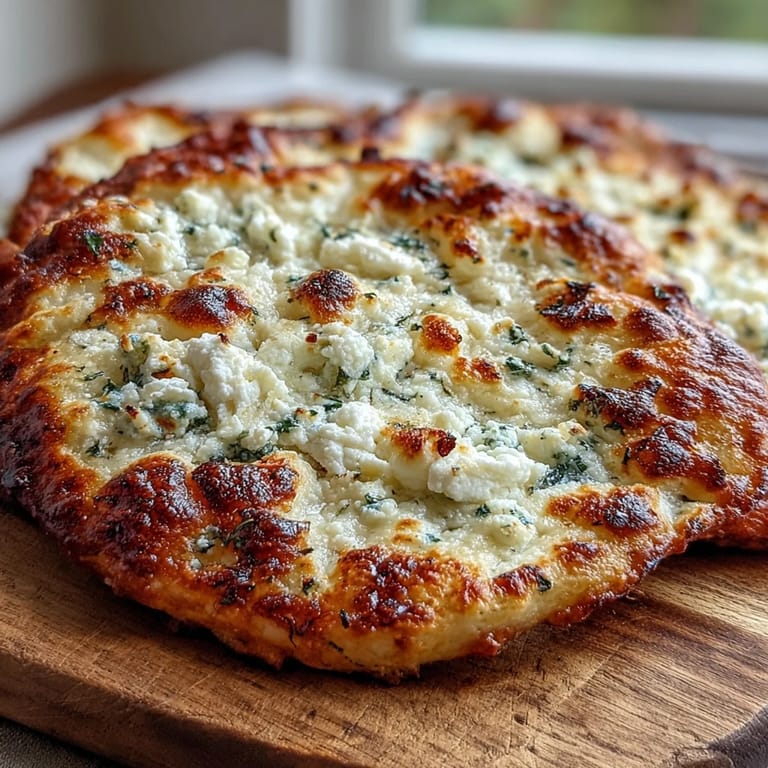
 There's something deeply satisfying about pulling warm flatbread from a skillet and knowing you made it from scratch in less time than it takes to stream an episode. Keep this recipe close, it's the kind of thing that turns an ordinary Tuesday into something worth remembering.
Recipe FAQ
- → Can I make the dough ahead of time?
Yes, prepare the dough and refrigerate it for up to 24 hours wrapped tightly. Let it come to room temperature for 15-20 minutes before rolling and cooking, as cold dough won't roll as smoothly.
- → What makes cottage cheese flatbreads fluffy?
The moisture and fat content in cottage cheese creates steam pockets during cooking, while the baking powder provides lift. The combination yields soft, tender flatbreads with beautiful bubbles and a slightly chewy texture.
- → Can I use low-fat cottage cheese?
Full-fat cottage cheese produces the softest, most tender results. Low-fat versions work but may yield slightly drier flatbreads. Consider adding an extra teaspoon of olive oil to compensate for reduced moisture.
- → How do I know when the flatbread is done?
Look for golden brown spots on the underside and visible bubbles forming on the top surface. The flatbread should puff slightly and feel firm but springy when pressed gently with a spatula.
- → What herbs work best in this dough?
Fresh chives, parsley, dill, or basil all complement the subtle tang of cottage cheese. Use about 1 teaspoon of finely chopped herbs. Dried herbs work too—reduce to ½ teaspoon since the flavor is more concentrated.
- → Why does my dough feel sticky?
Slight stickiness is normal and desirable for soft flatbreads. If it's unmanageable, dust your hands and rolling surface lightly with flour. Avoid adding too much flour, which can make the finished flatbreads tough.